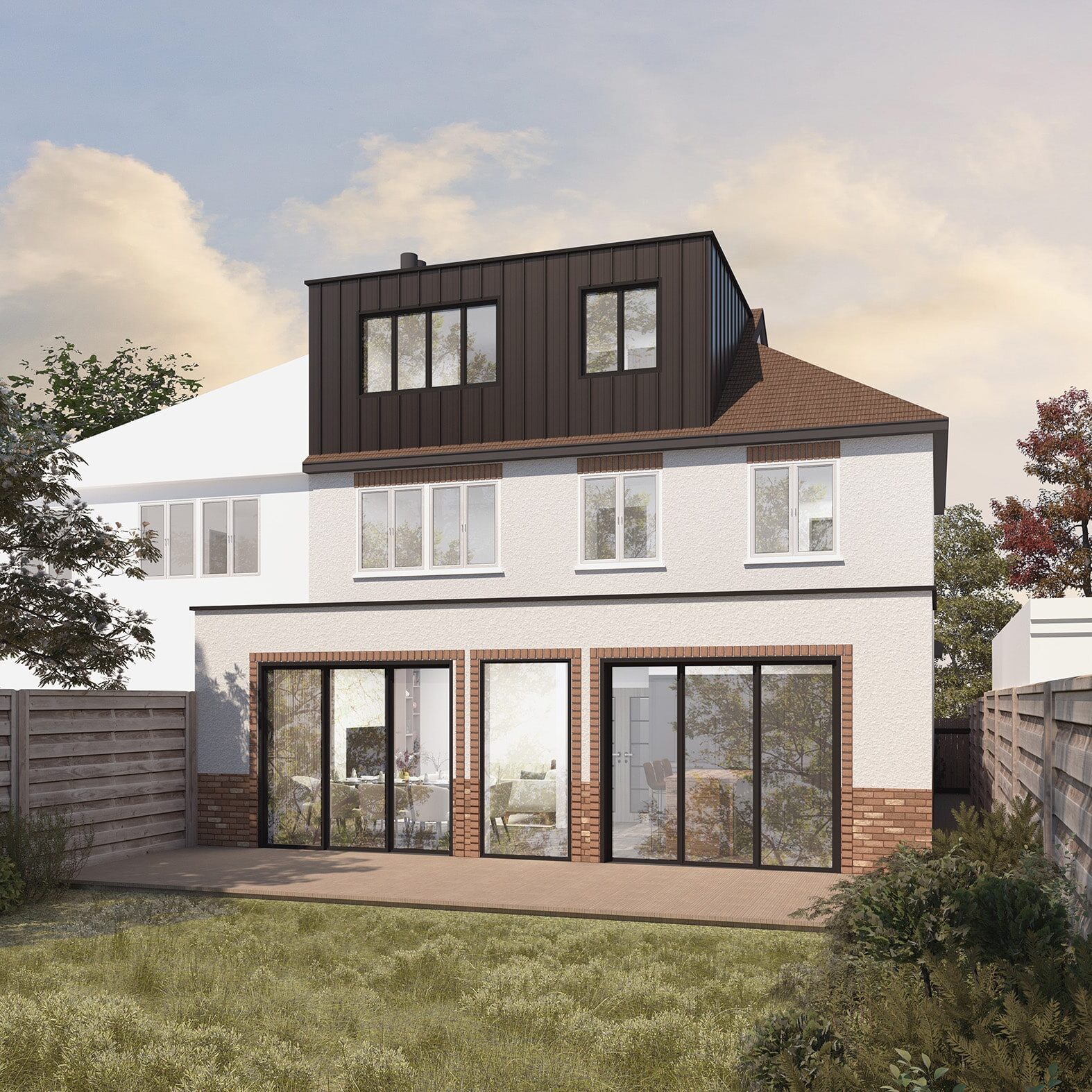
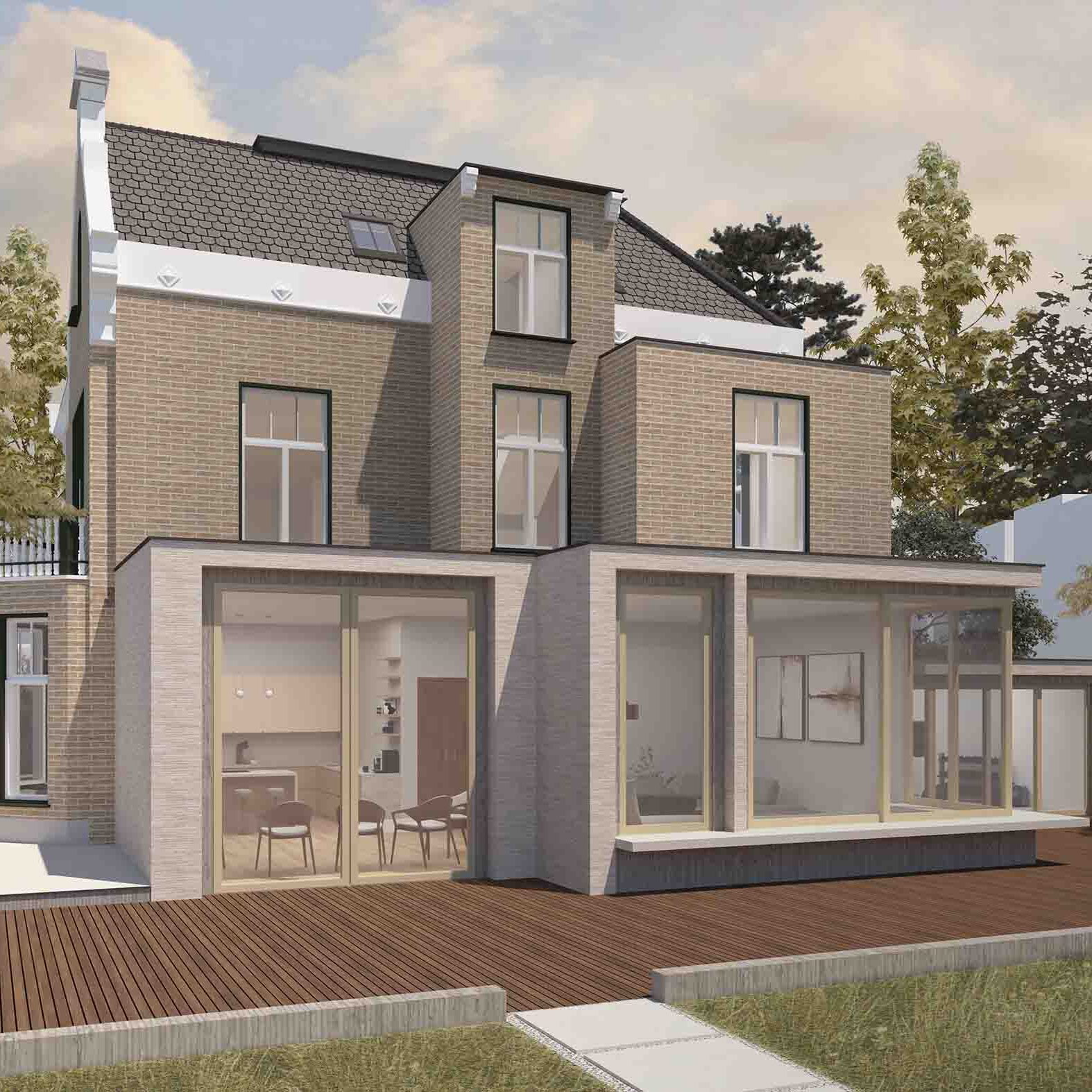
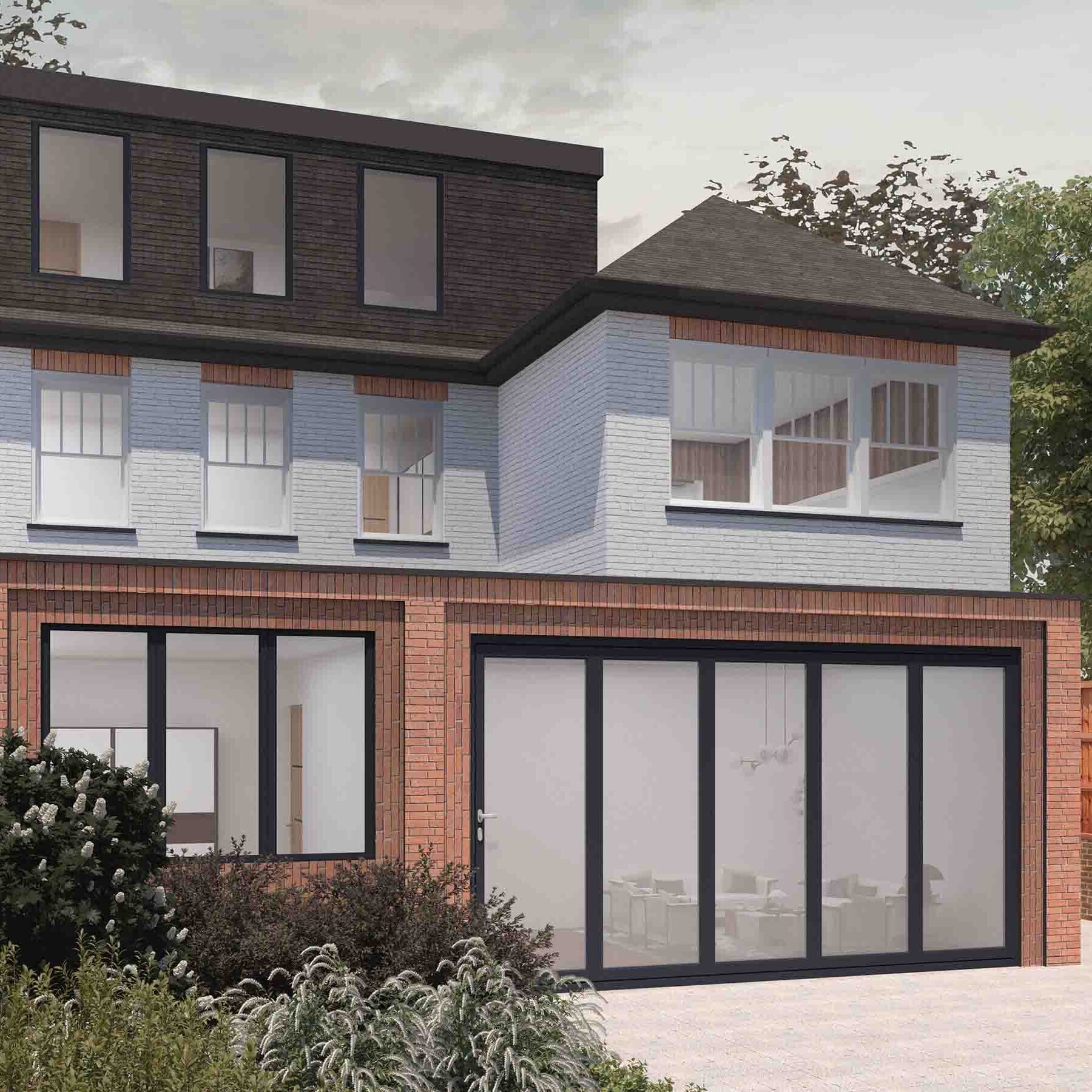
When planning an extension for your home, one of the most important decisions you’ll face is choosing the right materials. The exterior of your home not only influences its appearance but also impacts its energy efficiency, maintenance, and long-term durability. Making informed decisions about the house extension materials can help you create a space that looks great and stands the test of time.
In This Article:
- Understanding House Extension Materials
- Considering Your Environment
- Aesthetic vs Practical House Extension Materials
- Energy Efficiency & Sustainability
- Navigating Local Planning & Building Regulations
- Budgeting for Your House Extension Materials
- Trends in House Extension Materials
- Making the Right Choice for Your Home
30-second read
Choosing the right materials for a house extension is key to achieving a balance between design, performance, and long-term value. Options like brick, timber, stone, render, and metal each offer different benefits in terms of durability, maintenance, and visual impact, and should be selected based on your property style, environment, and budget.
Beyond aesthetics, factors such as energy efficiency, sustainability, local planning requirements, and lifecycle costs all play an important role in the decision-making process. With trends increasingly favouring natural and eco-conscious materials, the best choice will ultimately depend on how well the materials perform over time and how seamlessly they integrate with your home. Careful planning and expert guidance can ensure a result that is both visually striking and built to last.
Understanding House Extension Materials
There’s a wide range of materials for extension projects, and the right choice often depends on your budget, location, personal style and local planning restrictions. Your chosen architectural specialist will undoubtedly help you understand the best options, but in the meantime, these are some of the most popular choices in 2026:
- Brick: A classic choice for its timeless appeal and durability, brick offers excellent insulation and requires minimal maintenance. It’s an ideal choice for those looking for a long-lasting, traditional look.
- Wood: Whether you’re going for a modern or rustic look, wood offers warmth and natural charm. However, it requires more maintenance than other materials, especially in damp climates, as it needs regular treatment to resist weather damage.
- Stone: Known for its durability and beauty, stone can give your home a luxurious, high-end feel. Though often more expensive than other materials, it adds significant curb appeal and can last a lifetime.
- Render: A versatile material that can be applied over different surfaces, render offers a clean, modern finish and can be painted in any colour. However, it’s important to ensure the underlying structure is suitable to prevent moisture problems.
- Metal: For those wanting a contemporary, industrial aesthetic, metals such as copper or zinc for home extensions & loft conversions are an increasingly popular choice. They’re durable and low-maintenance but may require additional insulation to prevent heat loss or gain.
These options are just the tip of the iceberg when it comes to the house extension materials. Each has its own pros and cons, and the choice should reflect both your design aspirations and practical needs.
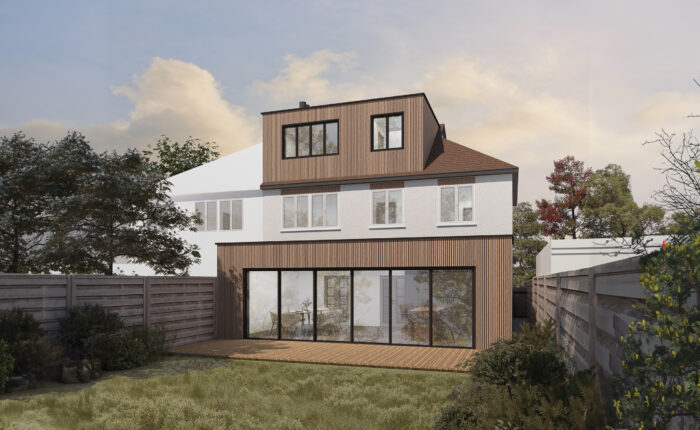
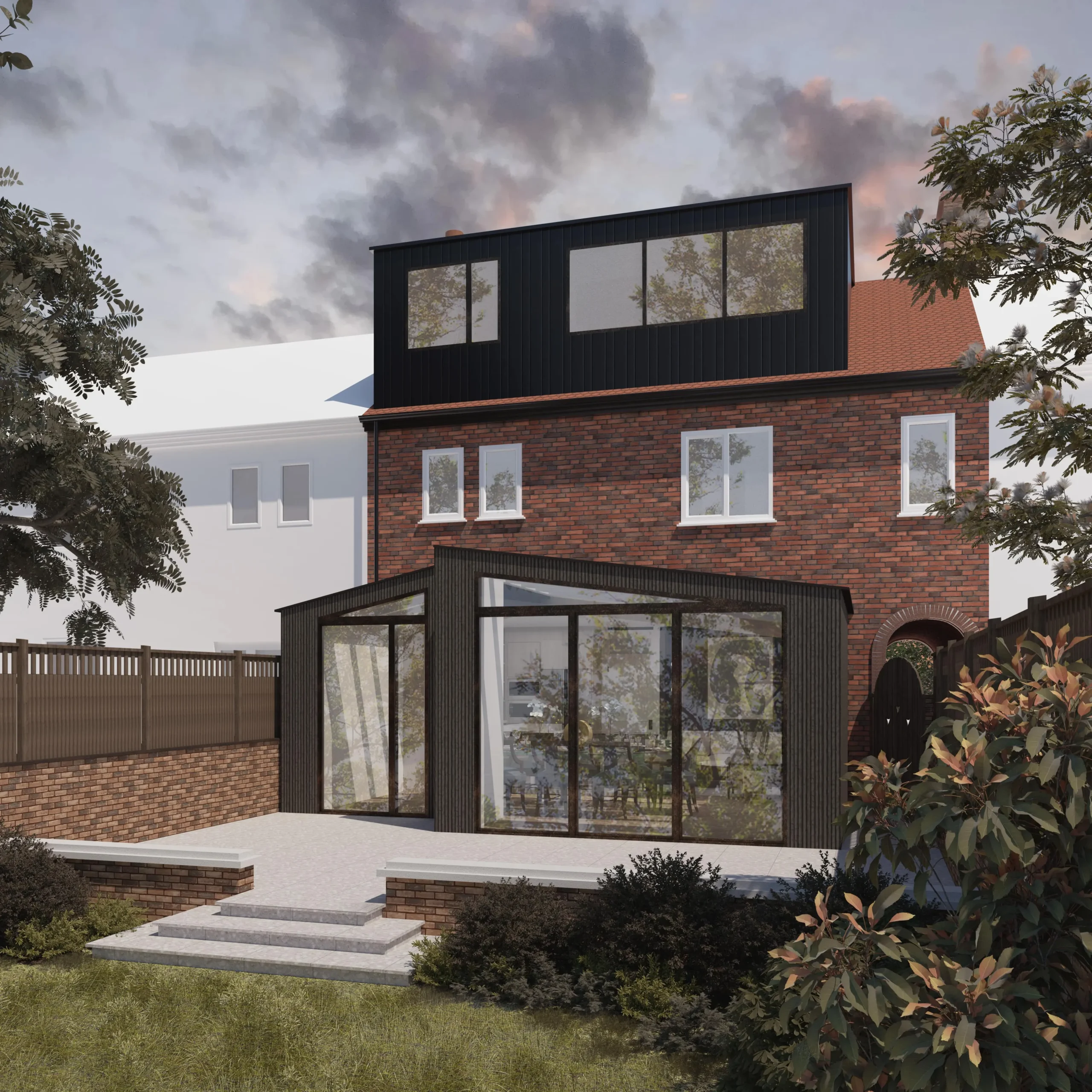
Timber Cladding Rear Extension & Loft Dormer Conversion – Scarlet House
Considering Your Environment
The climate and environment where your home is located play a key role in deciding which house extension materials to use. If your home is in a coastal area, for example, materials that withstand moisture, salt, and harsh weather conditions, such as treated metal or wood, may be better suited than more traditional materials like untreated timber, which could corrode or rot over time.
Homes located in urban settings may benefit from materials that offer noise insulation, such as brick or insulated panels. By considering these environmental factors, you can ensure that your extension not only looks great but also holds up well under local conditions.
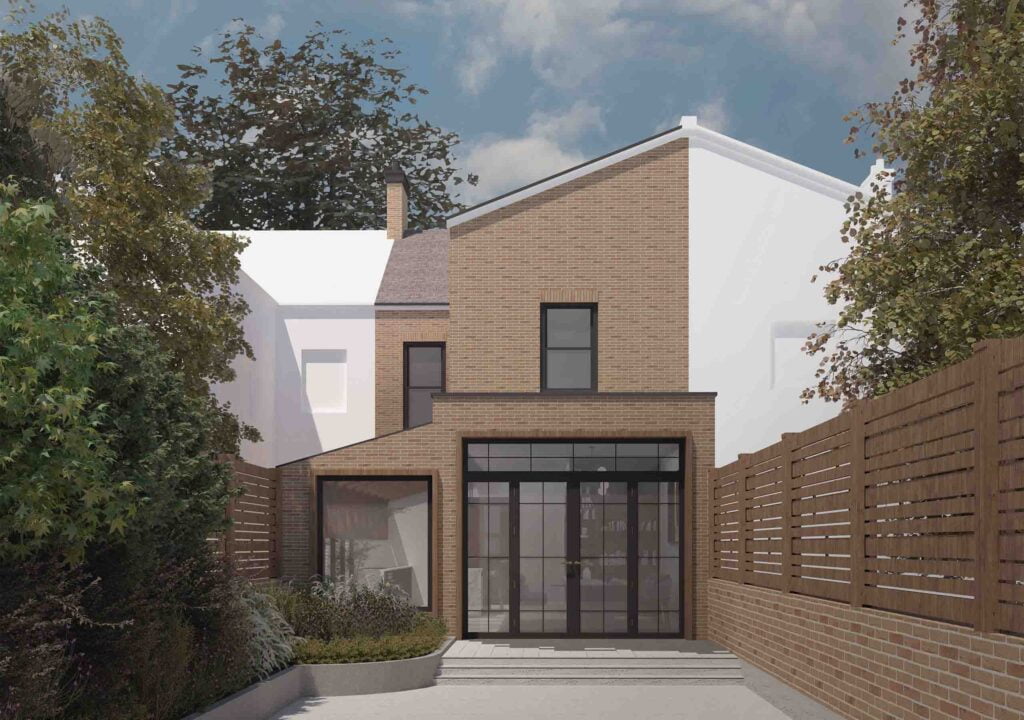
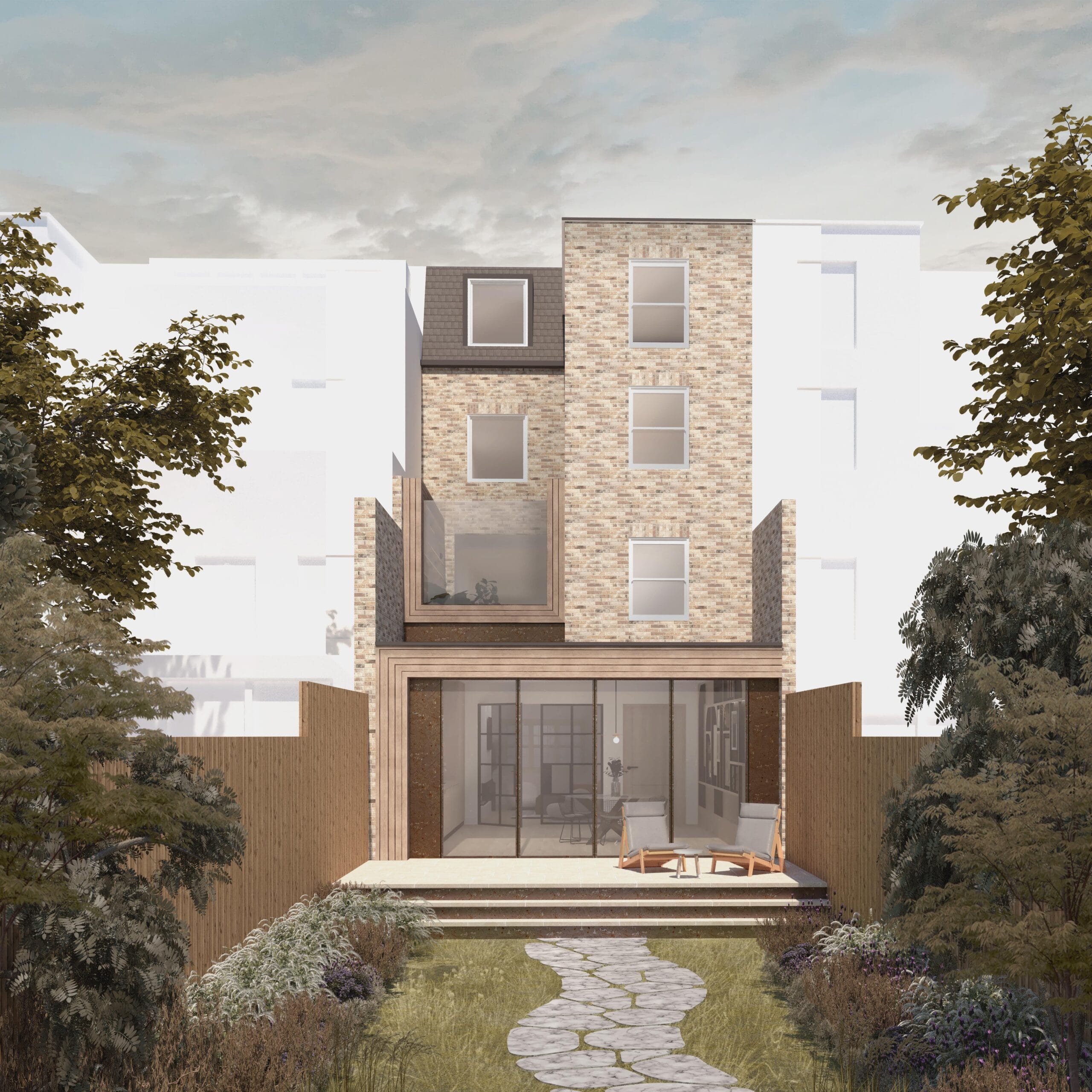
Traditional Yellow Brick Rear Extension – Walnut House
Aesthetic vs Practical House Extension Materials
While choosing the right materials for your extension is about making your home look good, you also need to think about practicality. Some materials are easier to maintain than others, and it’s essential to balance the two. For instance, while timber cladding offers a unique and natural finish, it may require more upkeep than a low-maintenance material like render or metal.
Equally, the materials for extension should align with your overall design vision. Whether you want a modern minimalist extension or something that blends seamlessly for a Victorian house extension, the materials you choose will set the tone for the final result. Think about how much time and money you’re willing to invest in future maintenance, as this will influence your choice.
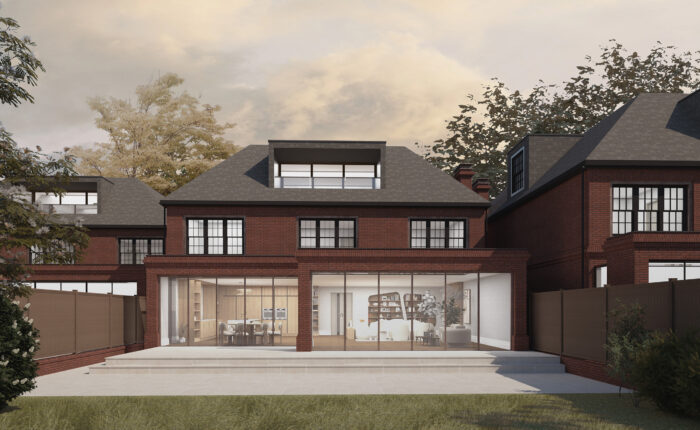
Red Brick & Large Glazing Rear Extension – Trinity House
Energy Efficiency & Sustainability
In today’s eco-conscious world, homeowners are increasingly looking for sustainable and energy-efficient house extension materials. Your choice of material can have a big impact on how energy-efficient your home becomes. Materials with good insulation properties, such as insulated brick or composite panels, can help to keep your home warm in winter and cool in summer, reducing energy costs in the long run.
Sustainable materials such as bamboo or reclaimed wood have become popular choices for eco-friendly builds. These materials are responsibly sourced and can help reduce your home’s carbon footprint while adding a unique aesthetic appeal. Plus, opting for energy-efficient materials can lead to long-term savings on utility bills.
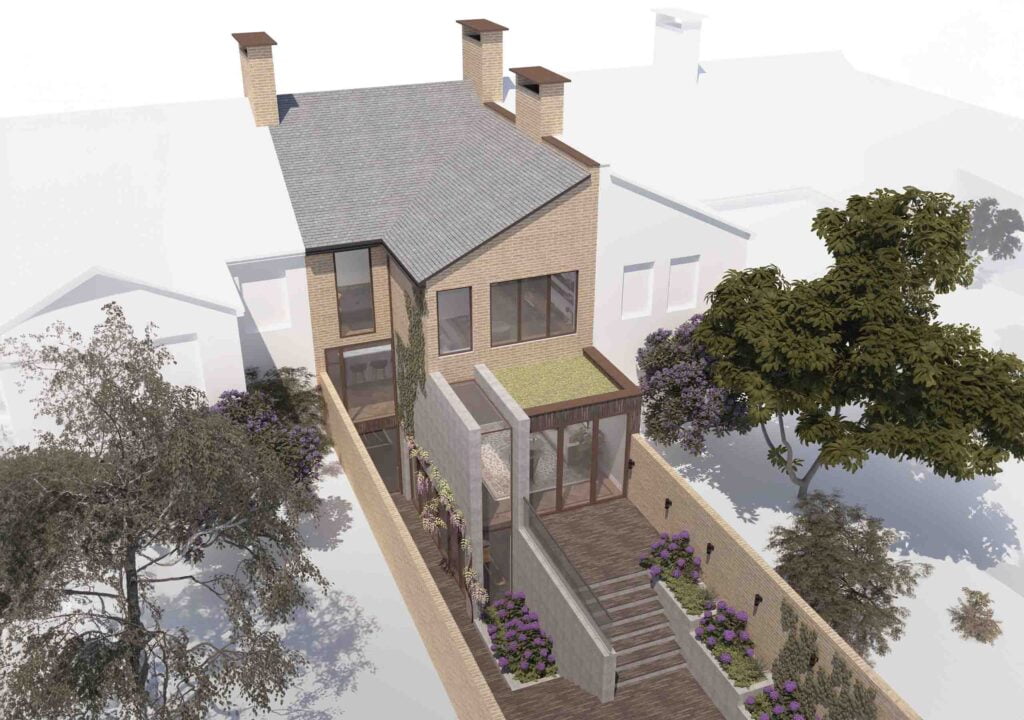
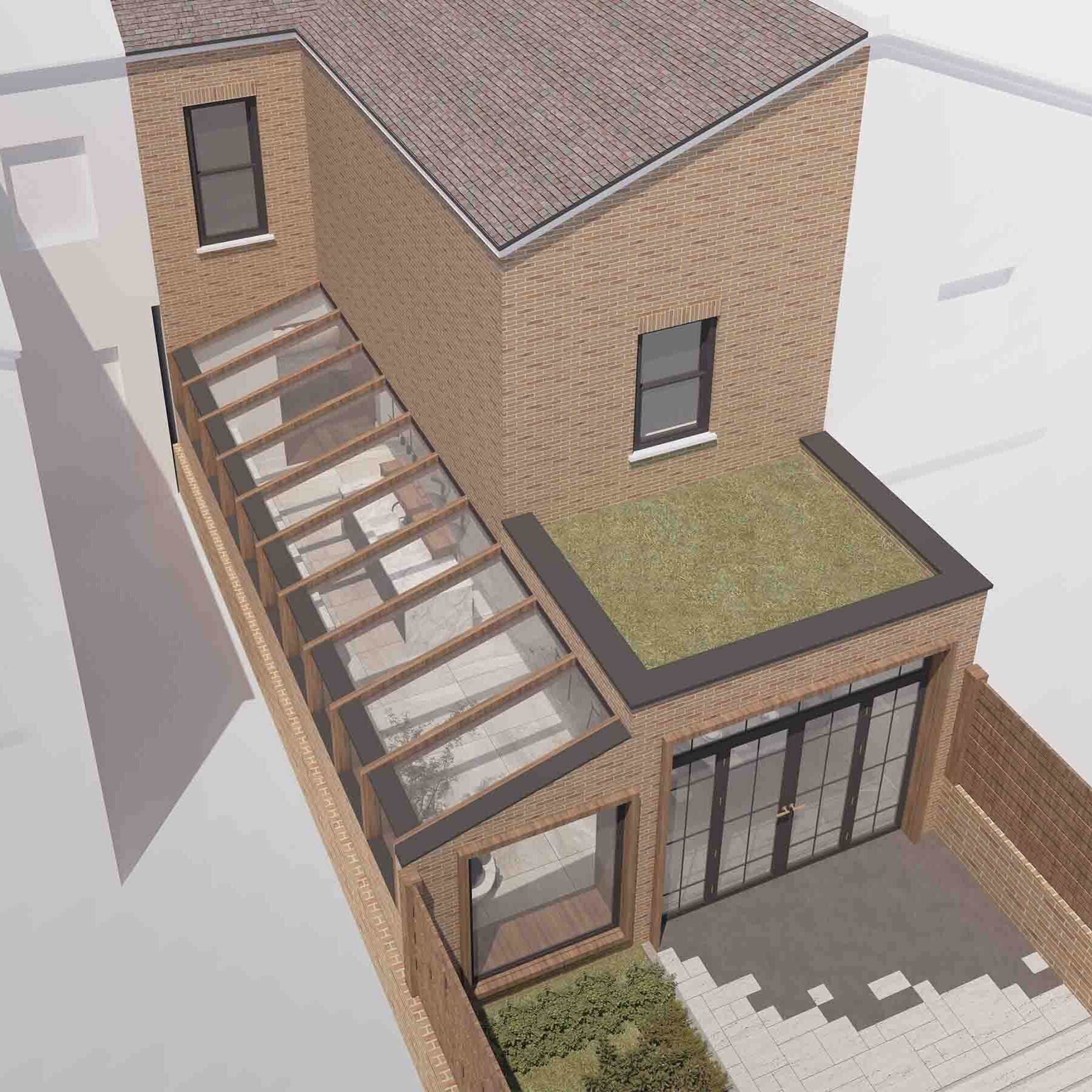
Rear Extension & Basement with Green Roof and RI Concrete Mass – Monument House
Navigating Local Planning & Building Regulations
Before you get too attached to a specific material, it’s important to check local building regulations and planning requirements. Some areas have restrictions on certain materials for extension projects, or you may need to choose materials that comply with fire safety standards, especially in designated space or conservation areas.
By choosing materials that meet local building codes from the start, you can avoid costly delays and potential fines later on. It’s always wise to consult with a professional team like us who can guide you through the necessary approvals and ensure your extension meets all local regulations.
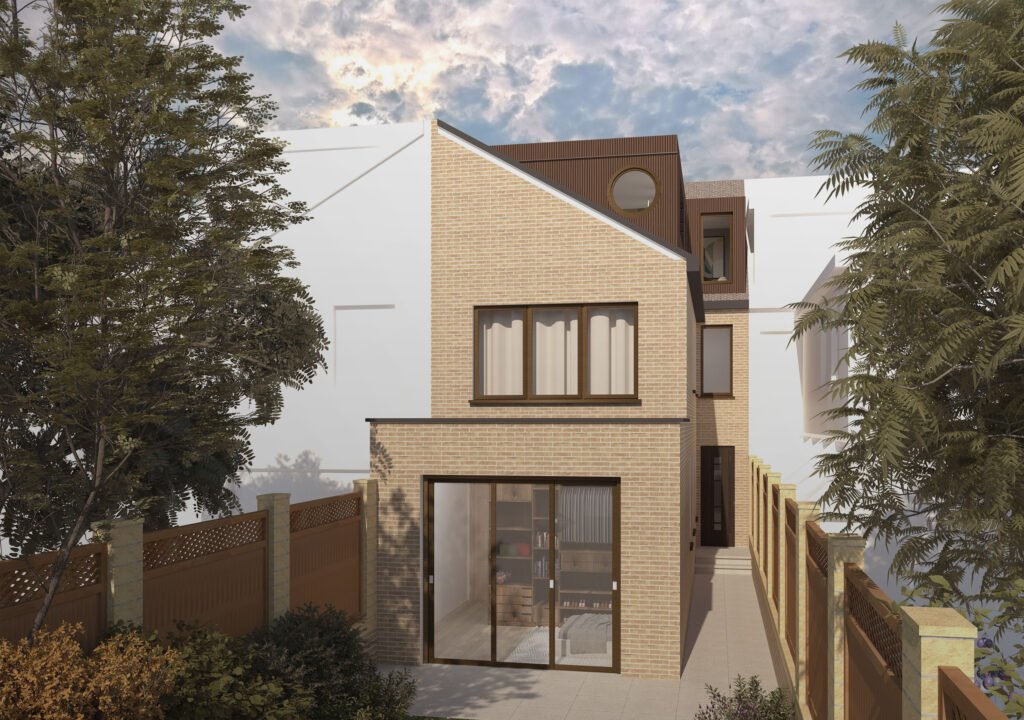
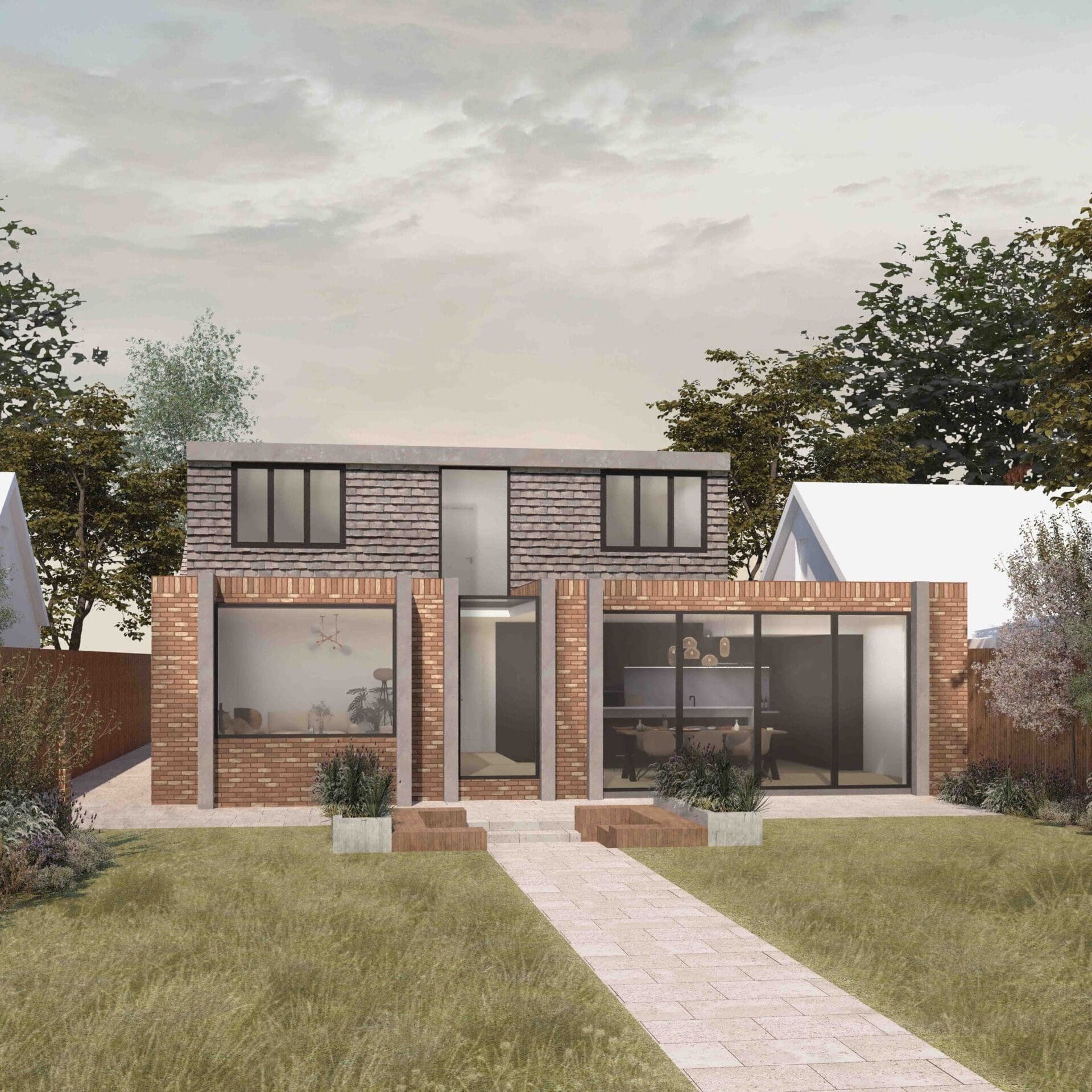
Modest Single Storey Rear Extension & L-Shaped Dormer – Petite House
Budgeting for Your House Extension Materials
Be it a single storey kitchen extension, double storey side extension or a dormer loft conversion, budget plays a key role when choosing the right house extension materials. While some materials may have a lower upfront cost, they could come with higher maintenance or replacement expenses down the line. It’s essential to consider not only the initial price but also the long-term cost of upkeep when making your decision.
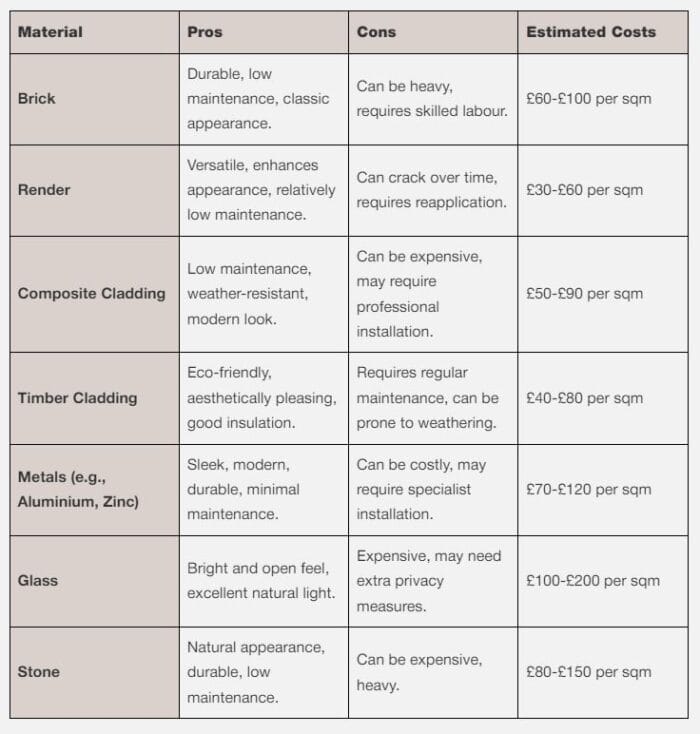
Brick and stone, for instance, may have a higher initial cost compared to materials like render, but they typically require less maintenance and have a longer lifespan. On the other hand, natural timber cladding requires regular treatment and upkeep to maintain its appearance and durability. When considering overall house extension costs, think about the balance between upfront costs and long-term maintenance to ensure you’re making a smart investment.
Trends in House Extension Materials
While timeless materials like brick and stone remain popular, modern extensions are seeing a rise in the use of alternative house extension materials which can add substantial value to your home. Composite materials, which combine several elements to enhance durability and energy efficiency, are increasingly in demand. These materials often provide an affordable yet stylish solution, especially for contemporary builds.
Architectural trends are also leaning towards the use of more natural finishes, with timber, stone, and metal being used to create a connection between the home and its natural surroundings. Eco-conscious homeowners are increasingly favouring materials that reduce environmental impact, such as recycled metals and reclaimed timber, giving homes a more unique and characterful finish.
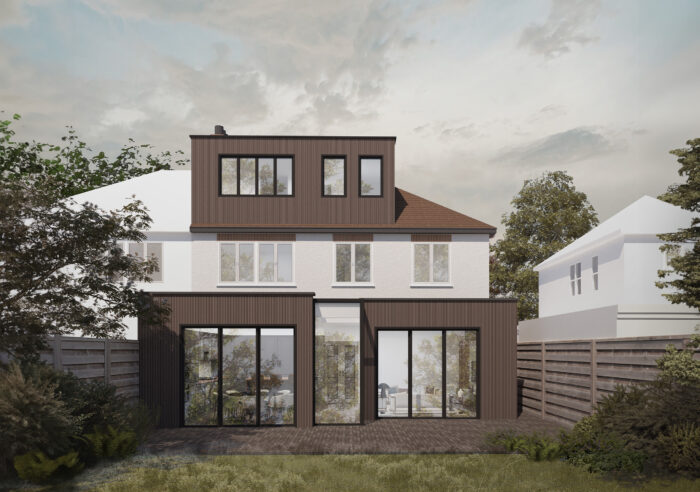
Composite Timber Cladding Rear Extension & Dormer – Scarlet House
Making the Right Choice for Your Home
Choosing the right materials for extension projects is about striking a balance between aesthetics, practicality, and budget. With so many options available, it’s easy to feel overwhelmed. However, by considering factors like your home’s environment, energy efficiency, and long-term maintenance, you can select materials that not only look great but perform well over time.
Whether you’re expanding upwards with a loft conversion, building outwards with a side or rear extension, or even planning a new build, the materials you choose will shape the look, feel, and functionality of your project for years to come.
With careful consideration and professional guidance, selecting the right house extension materials can elevate the look and performance of your home, ensuring it remains both beautiful and durable well into the future. Contact our team today for expert advice on what would be best for your home, and kick-start the process today!