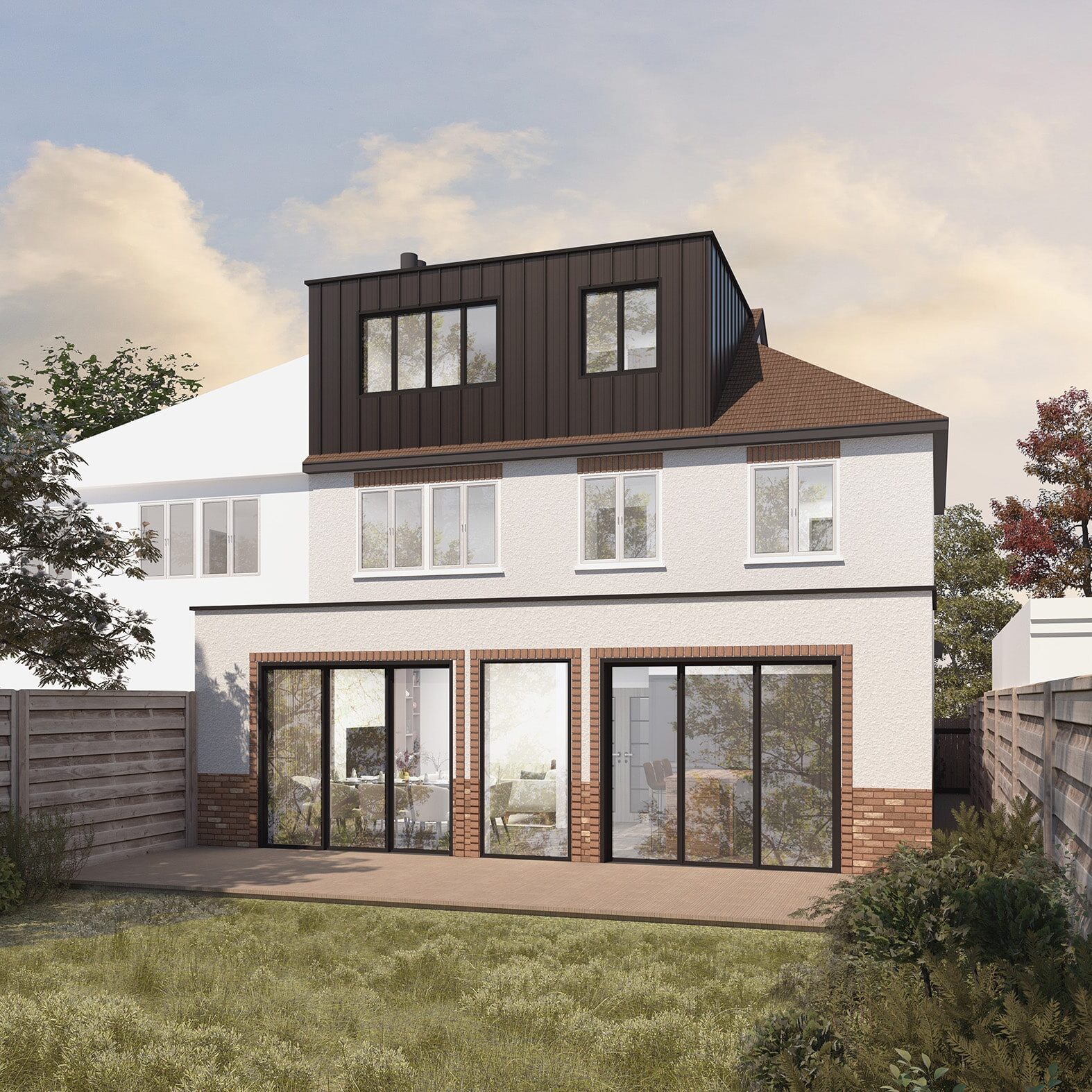
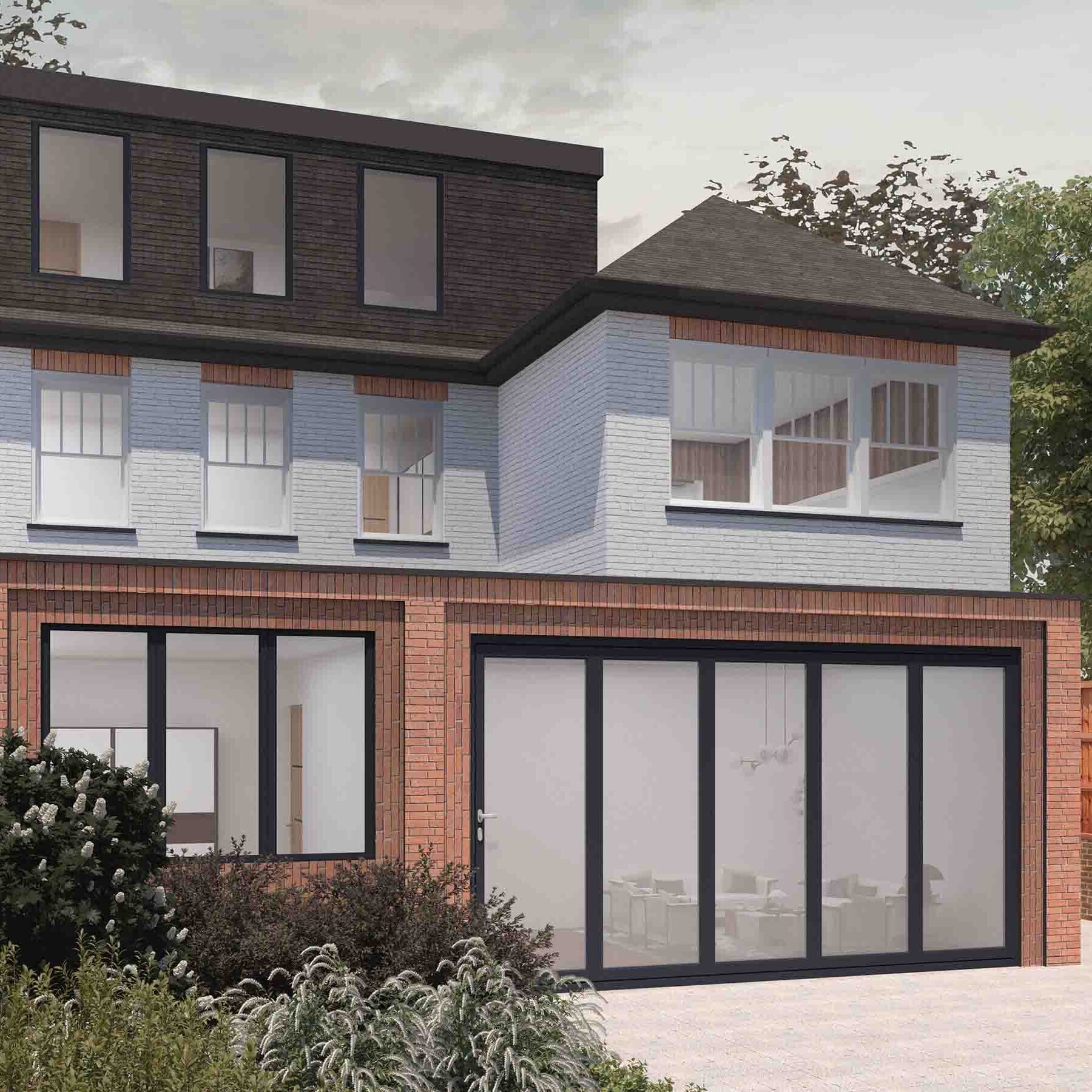
If you’re planning to extend your house in 2026, understanding whether you need planning permission is crucial. Whether you’re considering a modest single-storey rear extension or a more ambitious two-storey addition, it’s essential to know the house extension rules that apply to your property and project. Here’s a breakdown of when you need planning permission and what falls under permitted development.
In This Article
- Executive Summary: Do you Need Planning Permission & what are the Rules in 2026?
- Permitted Development Rights for House Extensions
- PD House Extension Rules for Single Storey Extensions
- PD House Extension Rules for Two Storey Extensions
- Householder/Full Planning Permission in 2026
- Do I Need Planning Permission for My Extension?
- Larger Home Extension Scheme [Prior Approval]
- Other Considerations
- House Extension Rules on Materials and Design
- What Affects House Extension Rules in 2026?
- What do the Council Actually Look at
- Summary & Next Steps
60-second read
Navigating 2026 planning rules requires distinguishing between Permitted Development (PD) and full Planning Permission. While many single-storey extensions up to 3m or 4m fall under PD, ambitious projects often utilise the Larger Home Extension Scheme to reach 6m or 8m via Prior Approval. However, double-storey additions are strictly regulated under PD, often requiring 7m garden clearances to qualify, otherwise requiring full planning permission. Special designations like Conservation Areas or Article 4 Directions can remove these rights entirely. Beyond the “shell,” homeowners must also secure Building Regulations and Party Wall agreements to ensure the build is legally compliant, safe, and resale-ready.
Executive Summary: Do you Need Planning Permission & what are the Rules in 2026?
Whether you need planning permission for your house extension will depend on many factors, such as what type of property you own, where it is located (and if there are any special designations connected to the site) and how big an extension you are looking at completing. Many smaller projects fall under Permitted Development (PD) rights, meaning you won’t need council approval, but if your proposal doesn’t meet the strict requirements then planning permission is likely required.
- Single Storey Rear Extensions: Often permitted under PD, typically up to 3m for terraced/semi-detached homes, or 4m for detached homes. However, they can exceed this via the Prior Approval Route (up to 6m or 8m respectively).
- Side Extensions: Permitted as long as they do not exceed half the width of the original house, extend forward or backward of the existing house, and meet height requirements.
- Double Storey Extensions: Rarely fall under permitted development, unless you own a large plot of land with sufficient distances to the property boundaries.
- Homes in conservation areas, listed buildings or areas with Article 4 Directions will have reduced or removed PD rights.
- Residential flats and commercial properties do NOT benefit from any PD rights, meaning planning permission is likely required (Full Planning).
- Beyond planning permission, your extension still needs to be built legally. This means securing Building Regulations (essential for the final sign-off), getting Thames Water approval if you’re building over or near public sewers, and serving Party Wall notices to neighbours when building close to or on the boundary. In our experience, these ‘secondary’ approvals often take less time than the planning application, but are just as, if not more, important overall.
If your proposal or initial ideas do not align with these limits or exceed the associated height/area requirements, then you’re very likely going to need to submit a planning application or prior approval request to the local planning authority. This is where we come in, helping you to prepare an acceptable design and ensuring that all the required documents are submitted to give you the best chance of an efficient, timely approval.
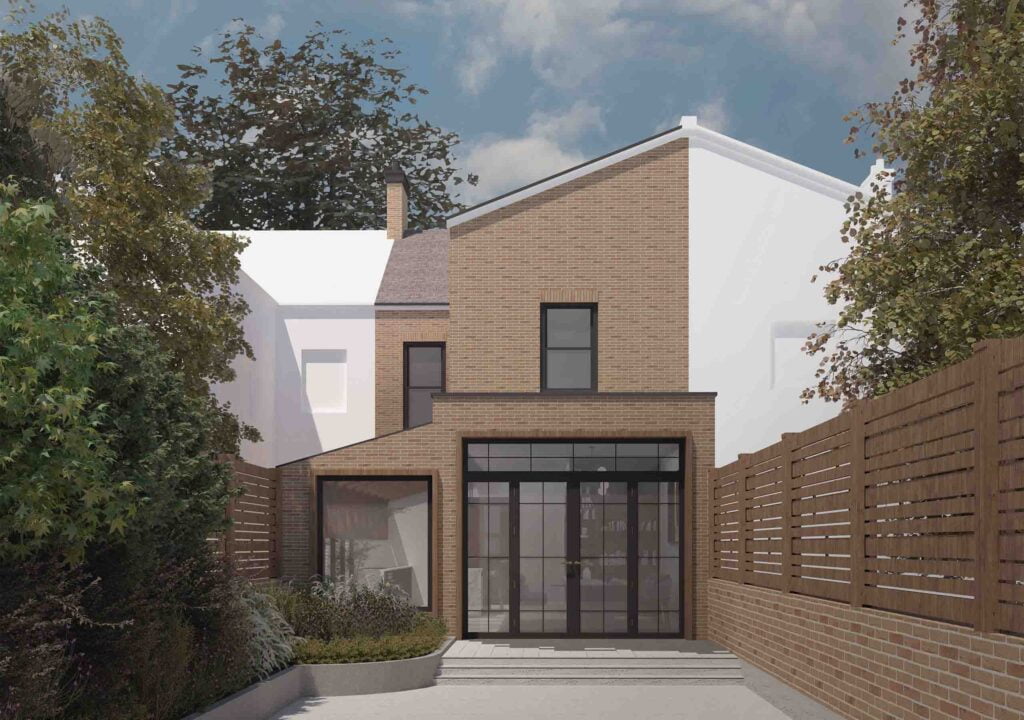
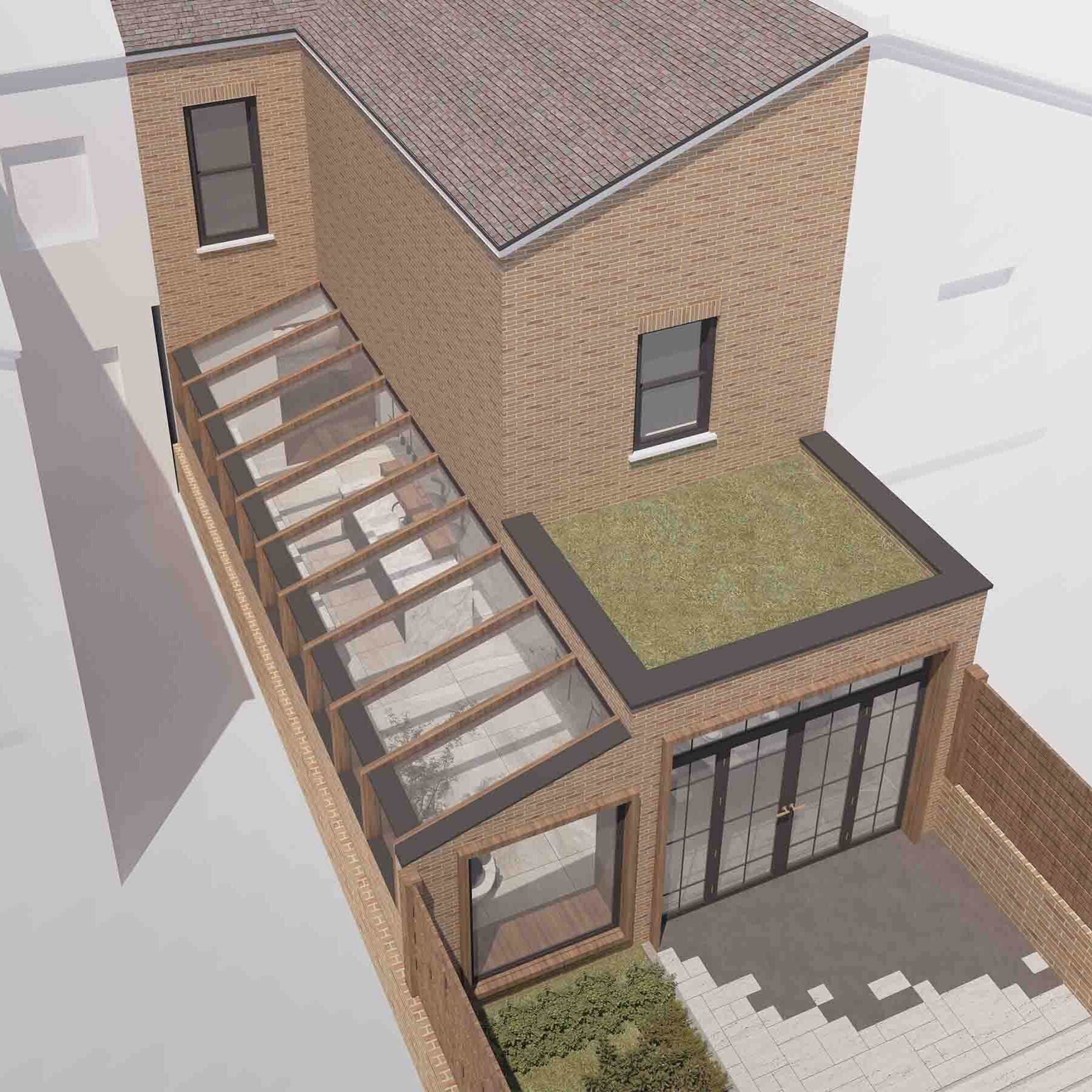
Householder Planning Wraparound Extension – Walnut House
Permitted Development Rights for House Extensions
Permitted Development Rights allow homeowners to extend their properties without needing to submit a full or householder planning application. PD rights were introduced to simplify the process of home improvement, but there are limits, and we always recommend applying for a lawful development certificate before starting. The following rules apply in most cases, however, if your home is in a designated area such as a conservation area, national park, or is a listed building, additional restrictions will almost certainly apply. If in doubt, give us a call or email, and we’d be happy to help guide you towards the optimal planning route.
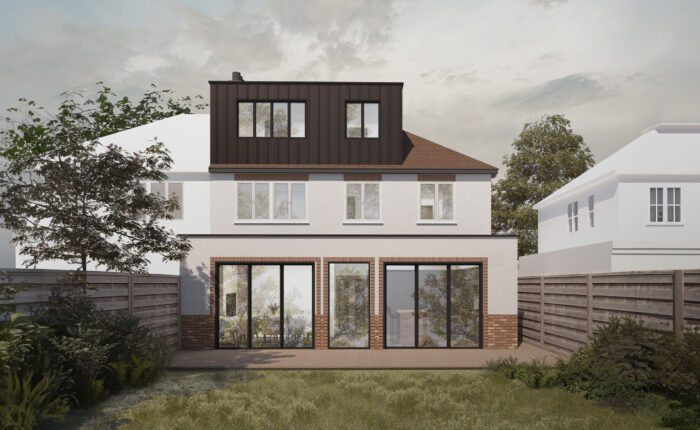
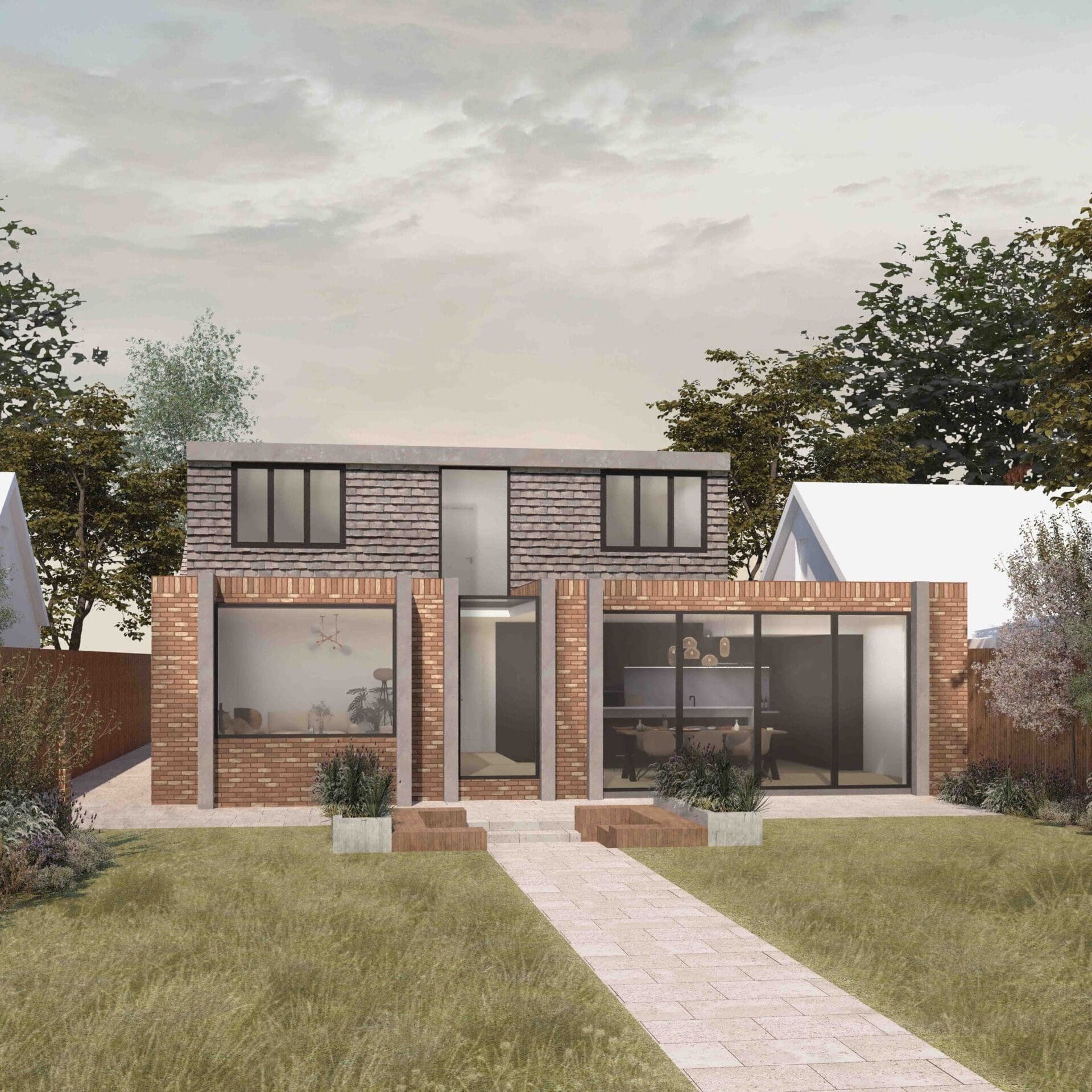
Permitted Development Single Storey Extension – Scarlet House
PD House Extension Rules for Single Storey Extensions
- The 50% Rule: You can extend or improve your property using only half the area of your existing land.
- Rear Extension Depth: Single-storey rear extensions must not extend beyond the rear wall of the original house by more than 4 metres (detached) or 3 metres (any other house). *Note: you may be able to double these allowances by following the Prior Approval route, provided your neighbours do not object to the proposals.
- Height Limits: The maximum height allowed is 4 metres, and where the extension would be within 2m of a boundary, the eaves height must be no greater than 3 metres. The 3 metre rule also applies to flat roofs within 2m of the boundary.
- Side Extensions: Side extensions must be single storey and not have a width greater than half the width of the original house, with a maximum height of four metres. *Note: Side extensions are never considered PD on designated land.
- Materials: PD requires that materials should be similar in appearance to the existing property, meaning you may not be able to use bespoke finishes such as timber or metal cladding.
- Other Restrictions: Balconies, verandas or raised patios/platforms over 300mm are not permitted under PD. Side-facing windows must be obscure-glazed and non-opening unless they are 1.7m above natural ground level.
For detailed guidance on the process and design considerations for single storey extensions, see our comprehensive single-storey extension guide here, or get in touch today for free, tailored advice.
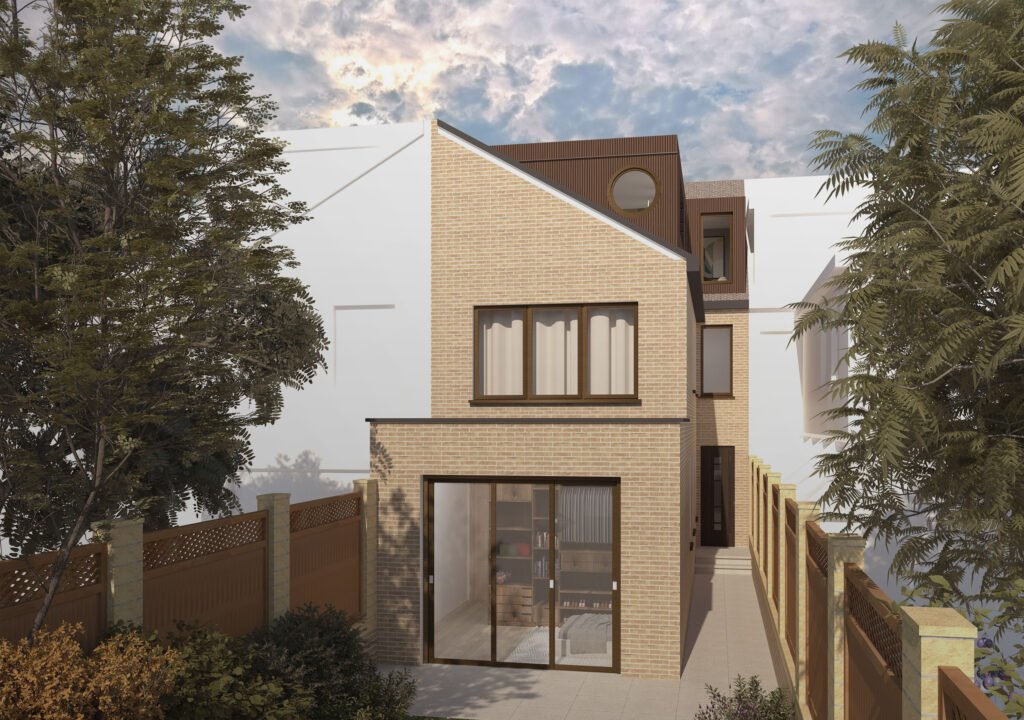
Permitted Development Single Storey House Extension – Petite House
PD House Extension Rules for Two Storey Extensions
- Location: Double-storey extensions are only permitted at the rear of the property. Any side extension of more than one storey requires full planning permission.
- Depth Limit: You can extend a maximum of 3 metres beyond the rear wall of the original house. *Note: Unlike single-storey extensions, there is no “Larger Home Extension” scheme for double storeys. You cannot go to 6m or 8m without full planning permission.
- The 7-Metre Boundary Rule: The extension must be at least 7 metres away from the rear boundary (the fence at the end of your garden) at its closest point. If your garden is short, you likely cannot build a double-storey extension under PD.
- The 2-Metre Boundary Trap: This is the most important rule for most UK homeowners. If any part of the extension is within 2 metres of a side boundary, the eaves height is capped at 3 metres. *Note on why this matters: A typical double-storey extension needs eaves around 5–6 metres high. If you are within 2m of a neighbour’s fence, the 3m cap makes a habitable second floor practically impossible under PD.
- Height Limits: * The total height (ridge) and eaves height cannot be higher than the existing house roof.
- Materials & Roof Pitch: The roof pitch must match the existing house as closely as possible, and exterior materials must match the existing house (similar appearance).
- Exclusions: Double-storey PD is not allowed on “Designated Land” (Conservation Areas, National Parks, AONBs, or World Heritage Sites).
These considerations apply to permitted development rights, and as mentioned previously, if you need planning permission the Local Authority will likely have a different set of house extension rules and a more context-oriented review process. You may need planning permission if your project does not meet these criteria, for example, a double storey side extension. For more information on planning permission considerations, get in touch with us today or head over to planning portal interactive house tool.
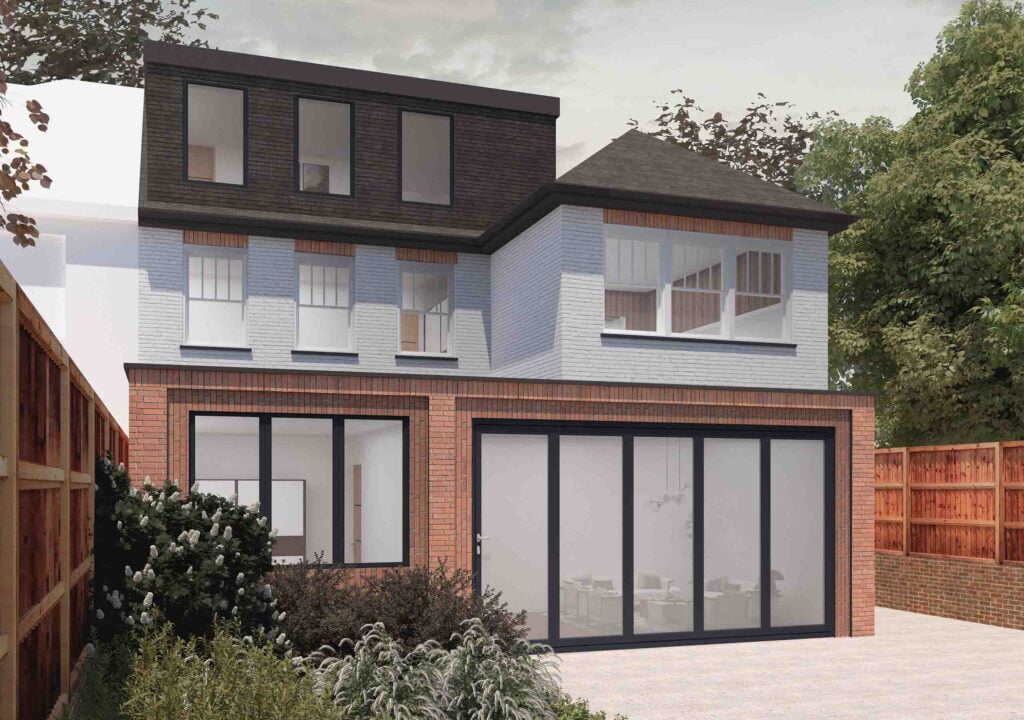
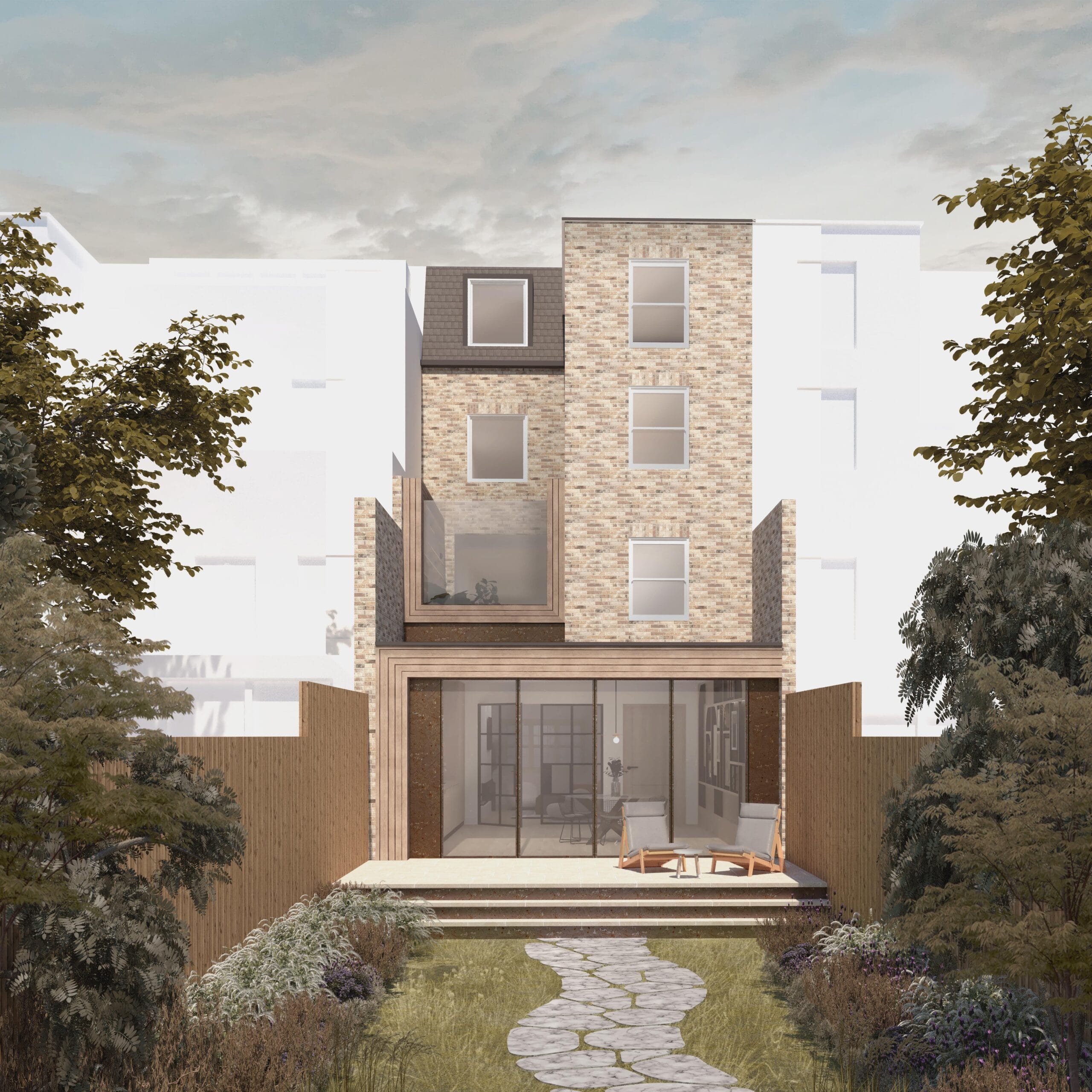
Double Storey Rear Extension Example – In & Out House
Householder/Full Planning Permission in 2026
If your project doesn’t meet the published criteria of Permitted Development, you’ll need to apply for either householder or full planning permission. The main difference between a full planning application and a householder planning application lies in the scope of work they cover.
- Householder Planning Applications:
- These are specifically for residential projects where the proposed work affects only a single dwelling. It applies to extensions, loft conversions, garage conversions, and other alterations like porches or outbuildings within the curtilage of a single house.
- It is designed for small-scale domestic projects and is generally simpler and faster than a full planning application, both in terms of the application forms and the council’s review process. We often see that more junior members of the planning department will take on these projects, which sometimes leads to them being slower to process.
- No changes to the number of dwellings on the property are allowed under this application (no new builds or conversions into multiple units).
- Full Planning Applications:
- A full planning application is required for larger-scale developments or where a new dwelling or significant changes to the use of land/building are involved.
- This could include building new homes, converting a building into multiple flats, or constructing large extensions that impact multiple properties or change the character of the site.
- It covers both residential and non-residential developments and requires more detailed plans and assessments, typically leading to a longer and more complex approval process.
- Whilst we continue to find it quite odd, this is also the correct application type for work on existing flats, given they do not benefit from PD rights and are not considered a single dwellinghouse.
In summary, if you’re making small alterations to a single dwellinghouse that doesnt fall under PD, a householder planning application is likely what you need. However, for larger developments, works to flats or for changes to multiple dwellings, a full planning application would be required.
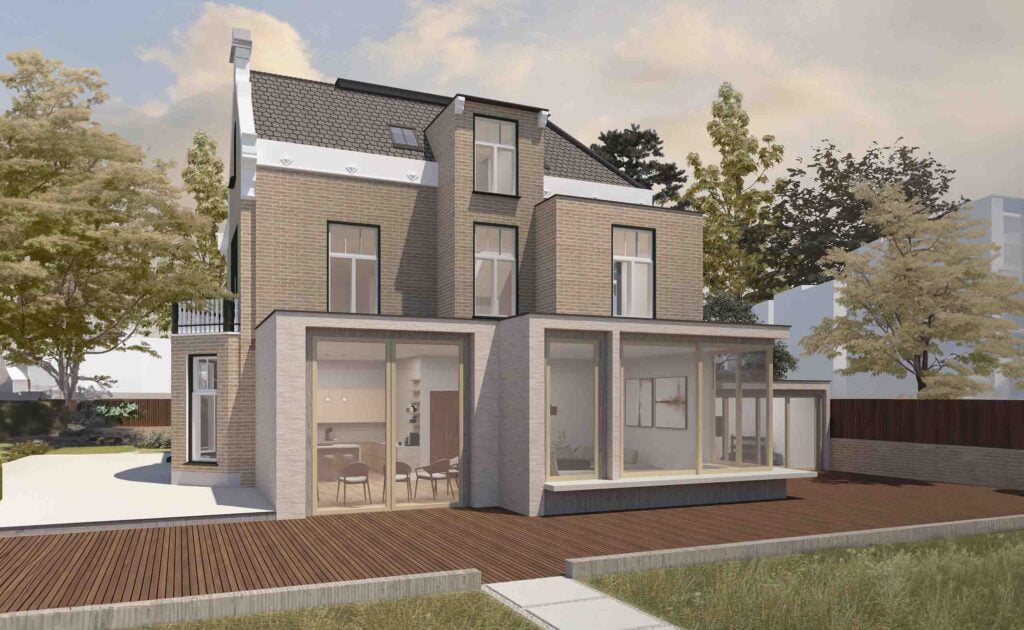
Householder Planning Permission Single Storey Extension – Stage House
Do I Need Planning Permission for My Extension?
- Flats & Commercial Properties: Planning permission is going to be required as you do not have permitted development rights for these property types.
- Listed buildings: If your home is a listed building you will almost certainly need both planning permission and listed building consent for any material changes. Listed status carries much more responsibility and needs more care, so do get in touch if you are considering any work before undertaking it to stay on the right side of Heritage England and the LPA!
- Designated areas: For homes in conservation areas, national parks, or Areas of Outstanding Natural Beauty (AONB), Permitted Development rights are more restricted. You may need planning permission for changes that would normally be allowed elsewhere, such as cladding, window upgrades or roof alterations.
- Extensions beyond PD limits: For example, if your proposed extension goes beyond the height or depth limits of both PD & Prior Approval (e.g., more than 6m for a semi-detached or terraced house), you will need planning permission. *Note: It is often more difficult to justify something so large, so be sure to speak with a planning expert to discuss your options.
- Materials: If you plan to use house extension materials that differ significantly from the existing property, especially in conservation areas, this usually requires planning approval to ensure the changes are in keeping with the character of the area.
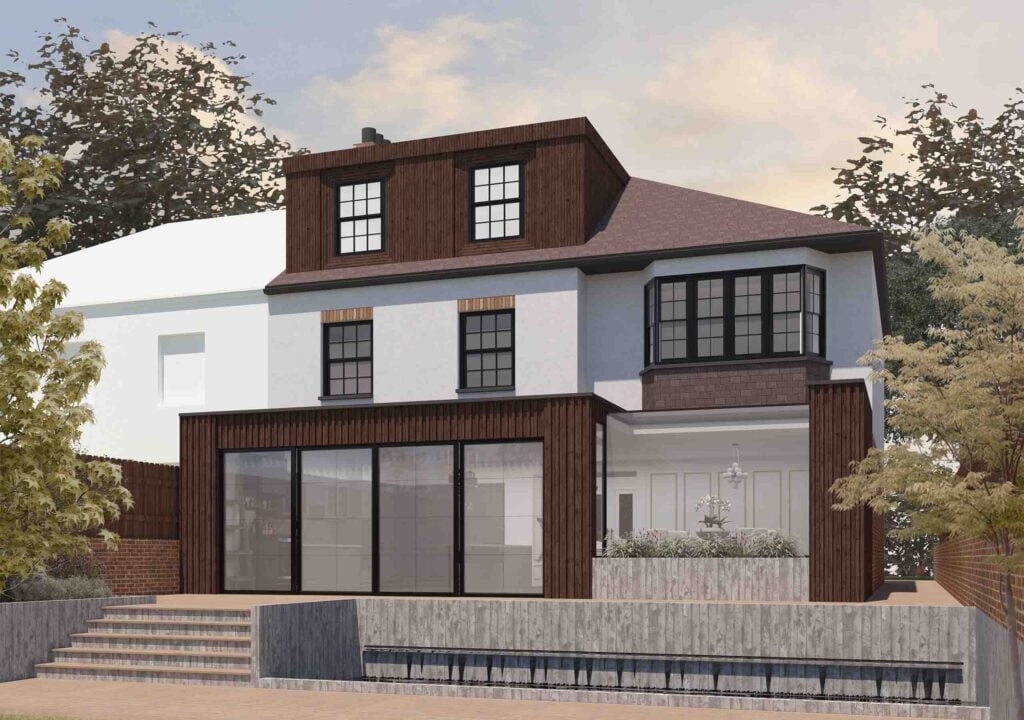
Householder Planning Permission Single Storey Extension & Loft – Flow House
Larger Home Extension Scheme [Prior Approval]
This scheme, also known as prior approval, was introduced to aid post-pandemic home improvement projects, and is still in effect in 2026. It allows larger extensions than standard PD under certain conditions. If you wish to take advantage of this scheme:
- You must apply for prior approval from your local council, which includes the council notifying your neighbours.
- If your neighbours do not object, the council will deem ‘Prior Approval Not Required’ and your extension work can proceed under permitted development.
- If there are objections, the council will assess the impact on neighbouring properties before making a decision much like a standard application. In our experience we find that in these cases you will need to reapply for planning permission with a reduced scheme, as the council rarely agrees to extensions which would almost definitely impact the daylighting/outlook of adjoining properties.
Other Considerations
- Regardless of whether planning permission is required, building regulations will apply to most home extensions. These house extension rules ensure that your extension meets safety and energy efficiency standards. This includes insulation, fire safety, and structural integrity.
- If your extension involves work on or near (within 3m of) a shared boundary (such as a party wall or fence), you will need to notify your neighbour(s) under the Party Wall Act. This ensures that any structural changes are agreed upon and do not cause damage to neighbouring properties.
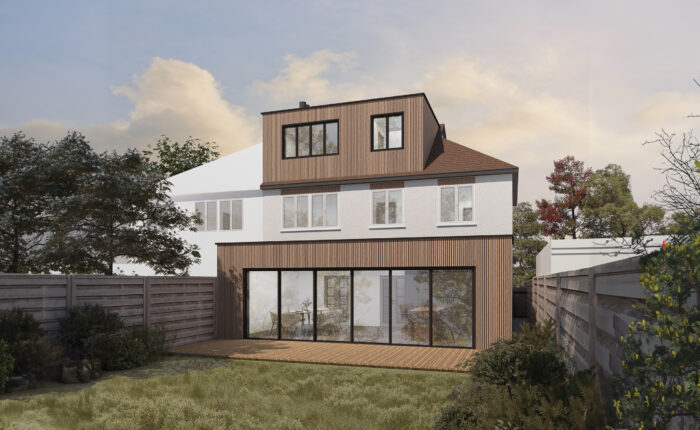
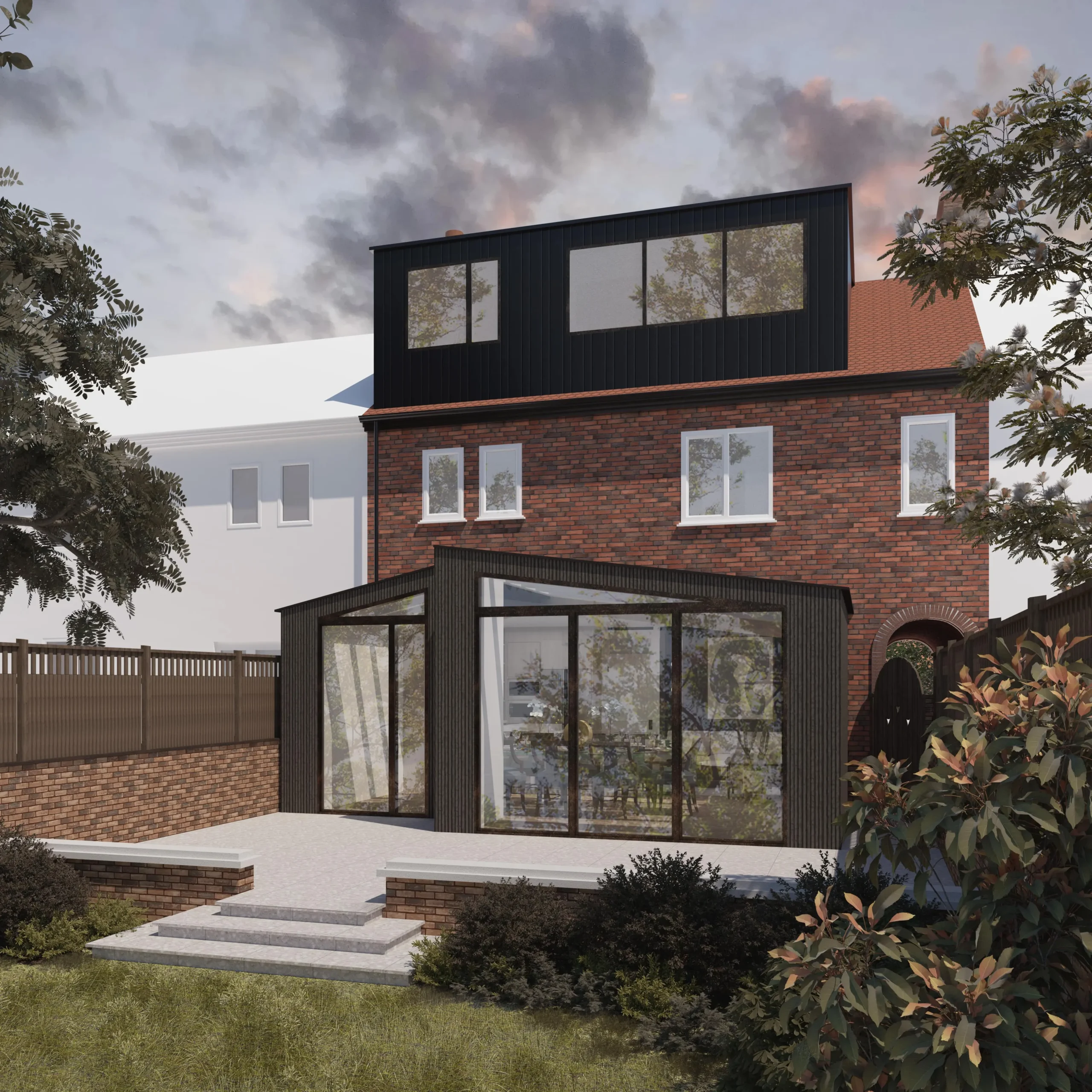
Modern Single Storey Rear Extension & Loft Dormer – Scarlet House
House Extension Rules on Materials and Design
In conservation areas or for listed buildings, the choice of materials for your extension is important. The extension must blend with the existing building and the surrounding area. Even for non-listed buildings, using materials that complement the original house can help gain planning permission if needed.
For more information on house extension materials see our recent article here!
What Affects House Extension Rules in 2026?
Great question – and it’s one we’re asked all the time by homeowners thinking about extending. In 2026, the rules around house extensions are shaped by a few key factors, and understanding them early can save you a lot of time, stress, and money.
Planning Policy Updates – National and local planning policies continue to evolve and will be doing so again in the coming year. Some councils are tightening up design rules, while others are relaxing certain constraints to meet new build housing targets.
Permitted Development Rights – These are the rules that let you extend without planning permission – but they vary depending on location, property type, and previous works. In 2026, more homeowners are exploring PD routes to avoid delays as LPAs continue to be understaffed, and we can assess quickly whether your home qualifies.
Local Council Priorities – Each borough has its own planning strategy that gets redefined every few years. Some are more focused on heritage protection, others on energy efficiency or limiting overdevelopment. Our local knowledge across London and Surrey helps us tailor your proposal to what your council is most likely to support.
Design & Neighbour Impact – Even with relaxed rules, your extension still needs to be well-designed and respectful to neighbours to ensure a good, neighbourly relationship is maintained. That’s where our design expertise comes in – we’ll produce drawings that tick all the right boxes – practical, compliant, and considerate to them all whilst achieving your project goals.
Technical & Building Regulations – Rules don’t stop once you’ve got planning approval – in fact it’s usually just the start! In 2026, there’s even more focus on energy performance and sustainable construction, set out in the building regulations approved documents. Once planning is obtained we take care of the technical drawings to get your project build-ready.
We’re not just here to design – we’re here to guide you from start to finish. From that first feasibility chat to getting builders on site, our approach is to take care of the whole journey and lead your project forward. If you’re planning a house extension this year, we’d love to show you how we can make the process smoother, faster, and add significant value.
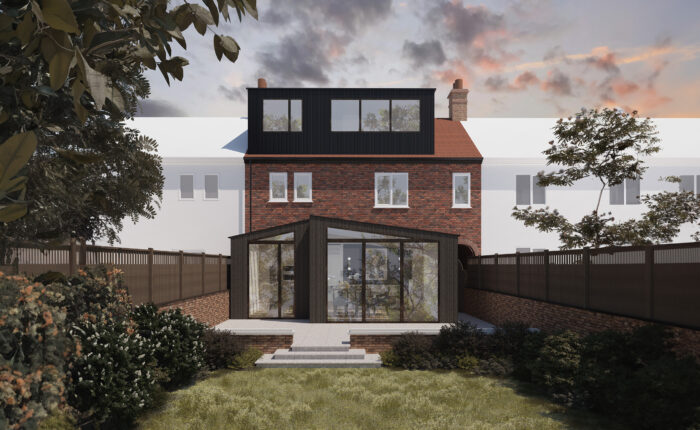
Timber Clad Single Storey Rear Extension & Rear Dormer Loft Conversion – Arched House
What do the Council Actually Look at: House Extension Rules 2026
When the only option is a full or householder planning application, the LPA will assess how the extension will affect the character of the area and neighbouring properties. In practice, most decisions come down to a few context-driven considerations rather than just strict, written policy, which can sometimes make the process difficult to predict.
Design and appearance is a major factor – councils will always look at whether the extension is proportionate to the existing house and whether the materials, roof form and overall design are in keeping with the original property and surrounding area.
Impact on neighbours is often the most sensitive issue. This includes overlooking, loss of privacy, and whether the extension causes a sense of enclosure or overbearing impact. Even small design changes, such as window placement or roof height, can influence this assessment, and may be requested via a minor ammendment (during the application period) or a resubmission in extreme cases.
Daylight and sunlight are also carefully considered, and the council will typically assess whether the extension significantly reduces natural light to neighbouring habitable rooms or gardens, often using established guidance such as the BRE “Right to Light” principles. Where daylight is likely to be an issue, most LPAs will request a Daylight Impact Assessment as a validation requirement to ensure that this has been considered.
Street scene and character matters particularly for front-facing or prominent side extensions, and authorities will consider whether the proposal maintains the rhythm and appearance of the street, especially in established residential areas or where properties are architecturally consistent (e.g. conservation areas).
Parking, access, and functionality may also be reviewed depending on the scheme, particularly in tighter urban areas where extensions could indirectly affect congestion or access arrangements. For new dwellings, parking provision is a key element of any proposal and your scheme must align with LPA targets & the London Plan 2021 (if within Greater London).
As a conclusion to this section, we find that planning decisions are about balancing your ability to extend your home with protecting neighbour amenity and maintaining local character. Well-designed proposals that are proportionate, consistent with the existing building, and considerate of neighbouring properties are far more likely to be approved, and our 10+ years of experience gives us a well-rounded knowledge of what is likely to be approved or otherwise.
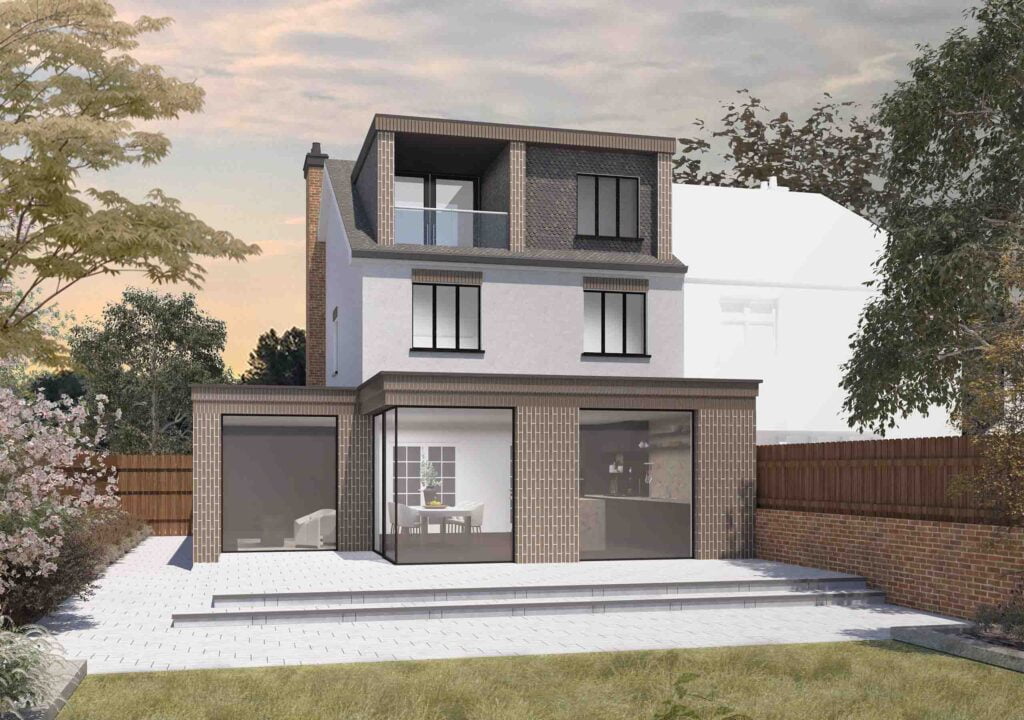
Householder Single Storey Side & Rear Extensions – Ribbon House
Summary & Next Steps
Understanding whether your house extension requires planning permission in 2026 depends on several factors, including the type of property, its location, and the scale of the extension. Permitted Development rights offer flexibility, but it’s essential to check the specific house extension rules for your home and ensure compliance with building regulations and neighbour considerations.
If you have any questions or need assistance navigating the planning permission process, contact us at DeVis Architecture today for a free consultation & outline feasibility discussion. We’ll discuss what may be possible and how to optimise your project for the ultimate experience and result. For more complex projects, seeking professional architectural advice is often the best way to ensure your extension goes smoothly.