When planning a house extension or any other home improvement, you might come across terms like “permitted development” or “lawful development certificate.” While they might sound a bit overwhelming, they’re essential to understanding your rights as a homeowner and avoiding potential legal hiccups.
At DeVis Architecture, we specialise in guiding families through the maze of planning rules and building regulations, ensuring your dream extension becomes a hassle-free reality. So, let’s dive into what a lawful development certificate is, why it’s important, and how we can help.
In This Article
1. What is a Lawful Development Certificate (LDC)?
2. Understanding Permitted Development
3. Do You Need a Lawful Development Certificate for Permitted Development?
4. Can I Get a Lawful Development Certificate After Building My Extension?
5. How DeVis Architecture Can Help
6. Common Questions About Lawful Development Certificates
7. Planning Your House Extension
What is a Lawful Development Certificate (LDC)?
A lawful development certificate (LDC) is a formal document issued by your local planning authority. It confirms that your proposed building work (or existing work) is lawful and doesn’t require formal planning permission.
Think of it as your peace of mind in paperwork form. It’s particularly useful when selling your home, as it reassures potential buyers and solicitors that everything has been done by the book.
Why is it Important?
Even if your project falls under permitted development rights (more on that later), obtaining an LDC is highly recommended. Here’s why:
- Avoid Disputes: Neighbours or future buyers might question whether your extension is lawful. An LDC clears up any doubt.
- Ease of Selling: Estate agents and buyers value clear documentation. An LDC can save you time and stress when you sell your home.
- Legal Protection: It protects you from enforcement action by the council if there’s ever a query about your extension.
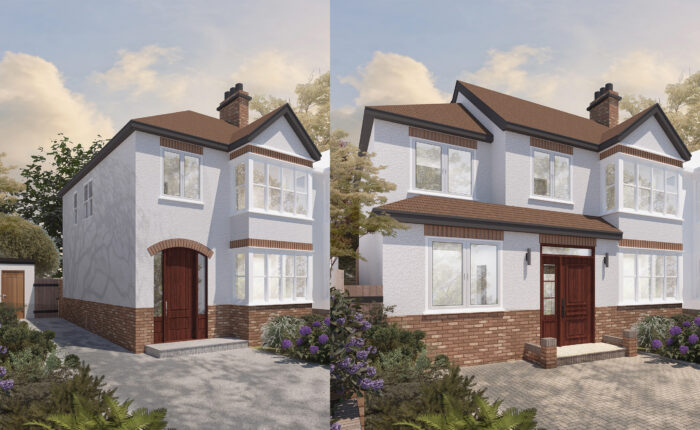
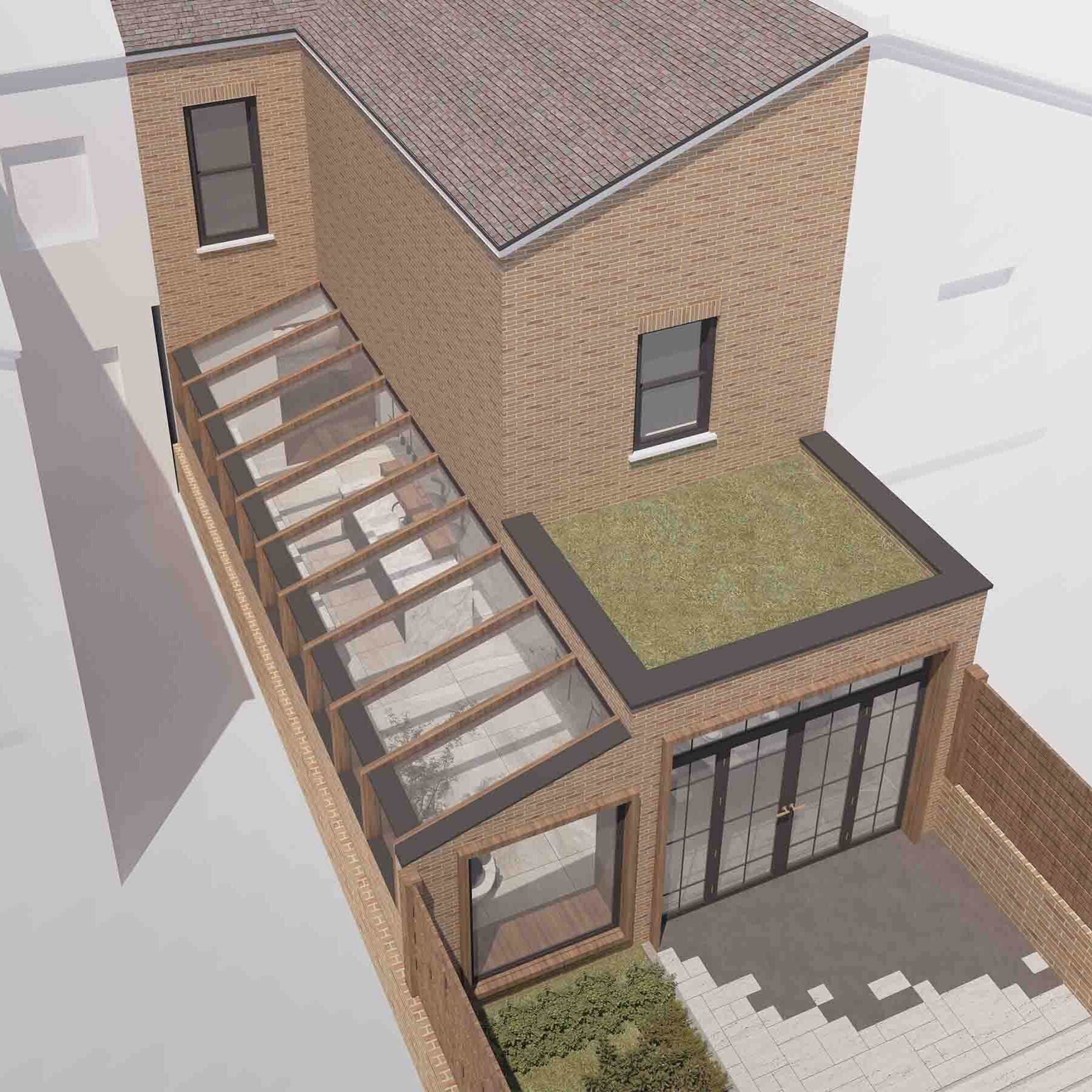
Lawful Development Certificate Loft Conversion, with Side Extension & Front Porch Before & After – Scarlet House
Understanding Permitted Development
What is Permitted Development?
Permitted development rights allow homeowners to carry out certain types of work without needing to apply for full or householder planning permission. These rights cover a wide range of home improvements, including extensions, loft conversions, and even some garden buildings.
Examples of Permitted Development
For house extensions, permitted development rights might include:
- Single-storey rear extensions: Up to 3 metres for terraced or semi-detached homes, or 4 metres for detached properties.
- Side extensions: If they are single-storey, less than half the width of the original house, and meet height restrictions.
- Loft conversions: Dormer loft conversions or roof extensions, provided they don’t exceed specified volume limits and aren’t at the front of the property.
The Limits of Permitted Development
However, it’s not a free-for-all. Permitted development extensions come with strict conditions. For example:
- Your property must not be in a designated area, such as a conservation area or a listed building.
- The extension must not exceed a certain height or encroach on your neighbours’ boundaries.
- House extension materials must be similar to those used in the existing house.
This is where DeVis Architecture comes in. We’ll assess your plans to ensure they align with permitted development house extension rules, giving you the confidence to move forward.
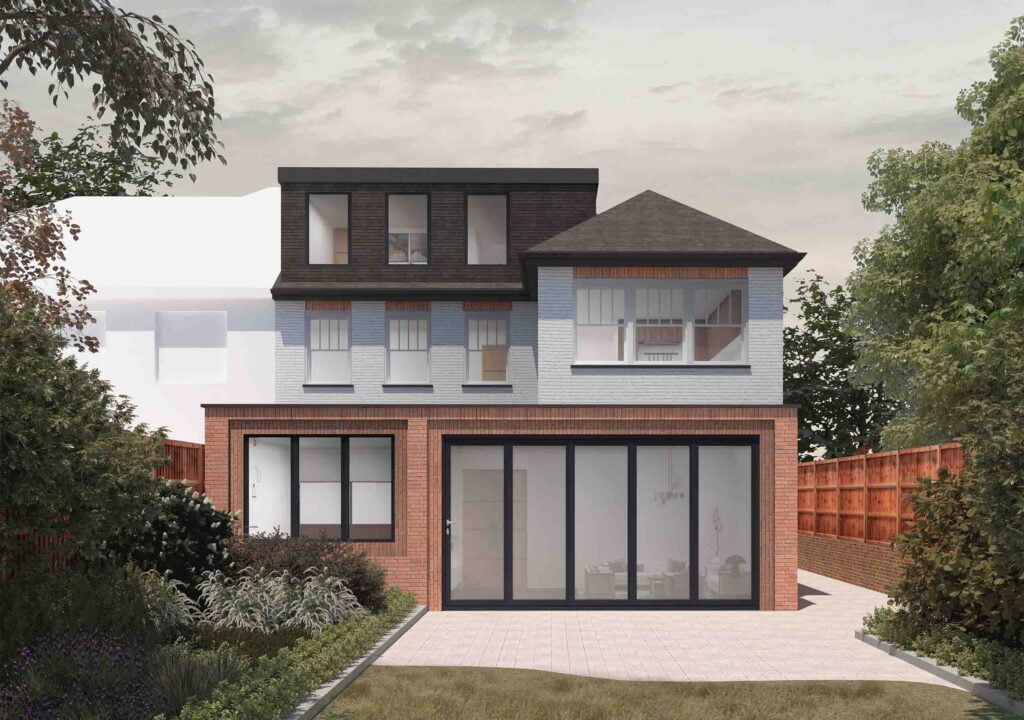
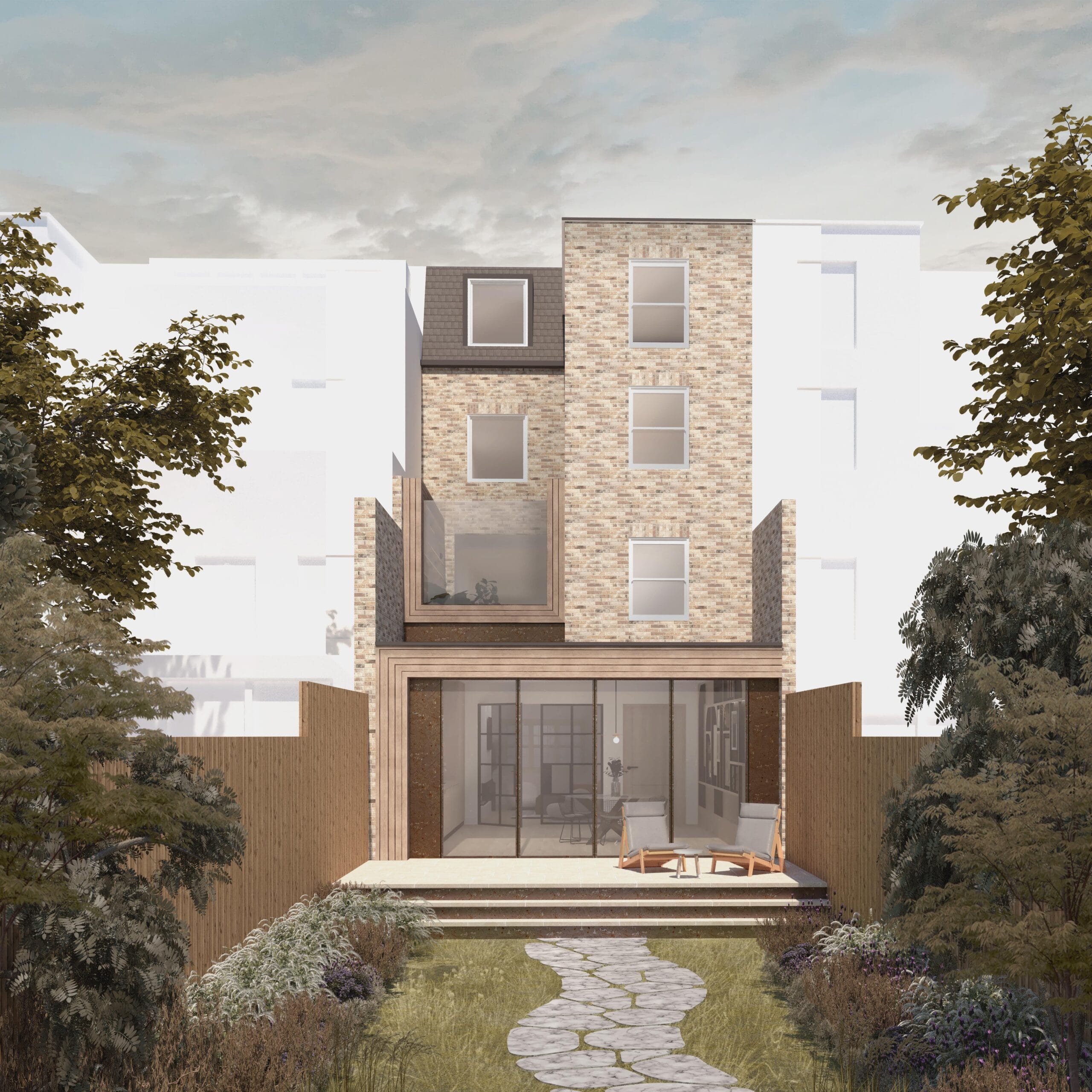
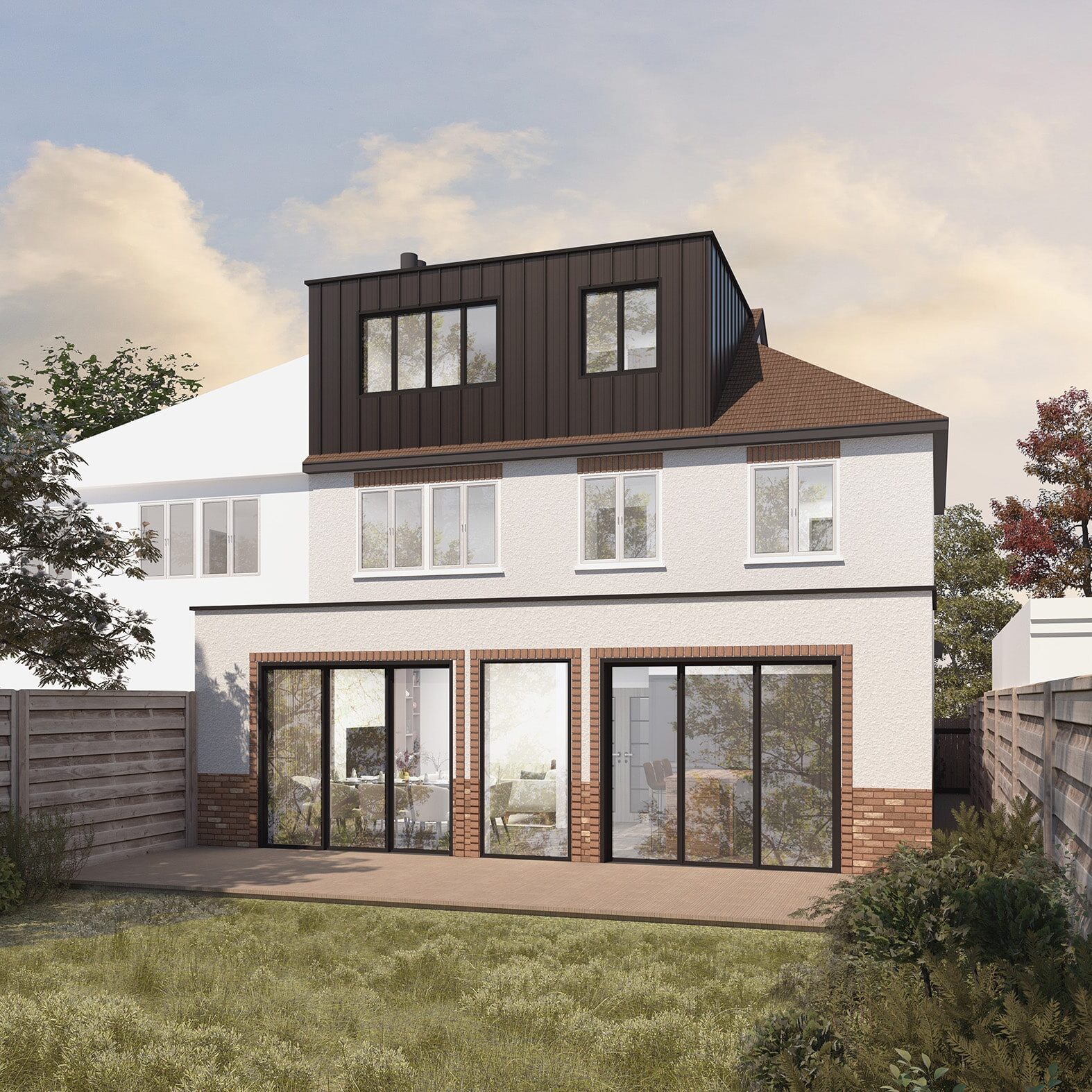
Lawful Development Certificate Single Storey Extension & Loft Conversion- In & Out House
Do You Need a Lawful Development Certificate for Permitted Development?
Technically, you’re not legally required to get an LDC for work covered by permitted development rights. But is it worth the risk? In our experience, the answer is no. Here’s why:
Proving Your Rights
If there’s ever a dispute—whether it’s a neighbour complaint or a query during a house sale—having an LDC saves time and headaches. It’s the official proof that your home extension complies with the rules.
Navigating Grey Areas
Permitted development rules can be complex and open to interpretation. A lawful development certificate removes any ambiguity, ensuring your project is protected from start to finish.
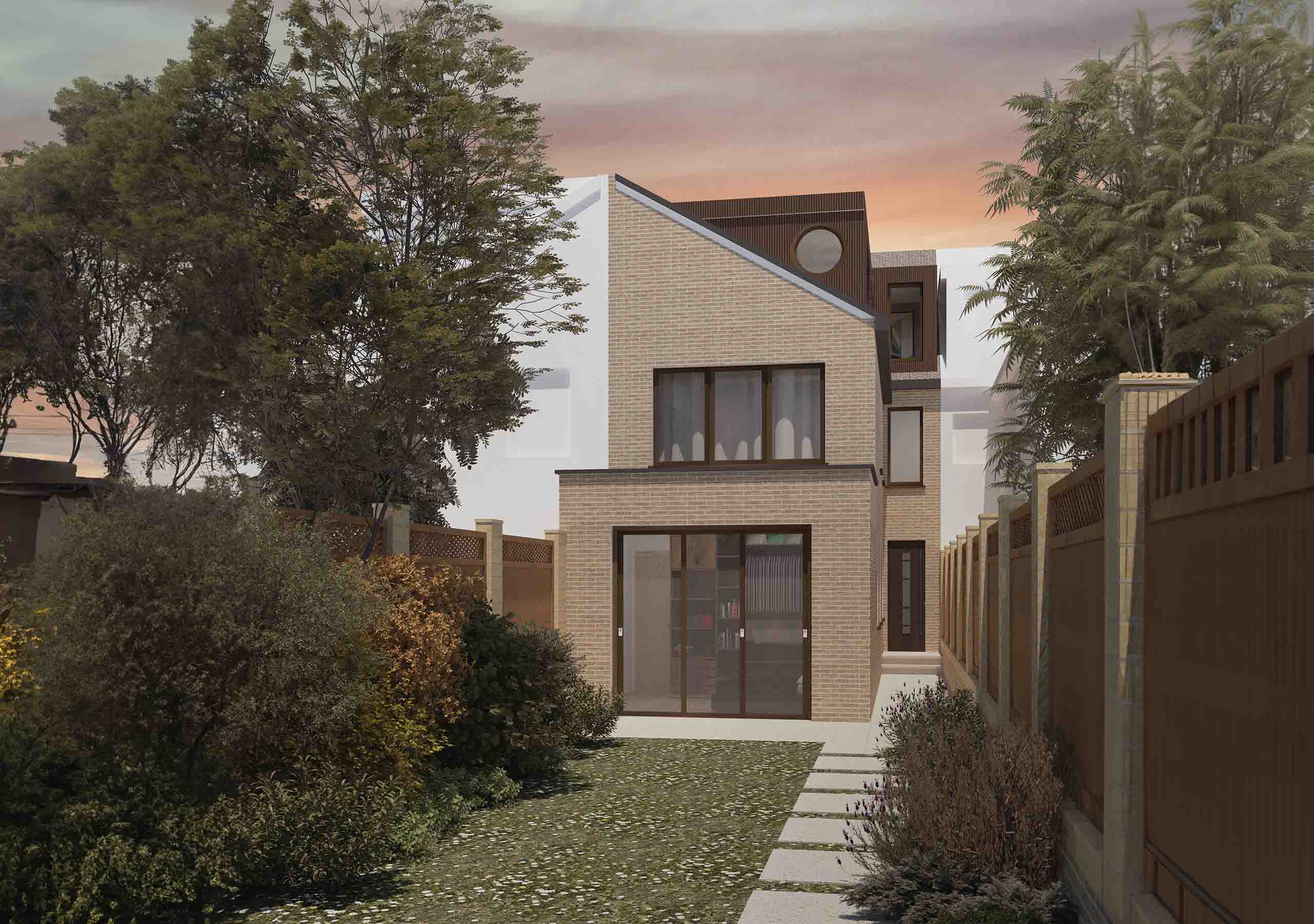
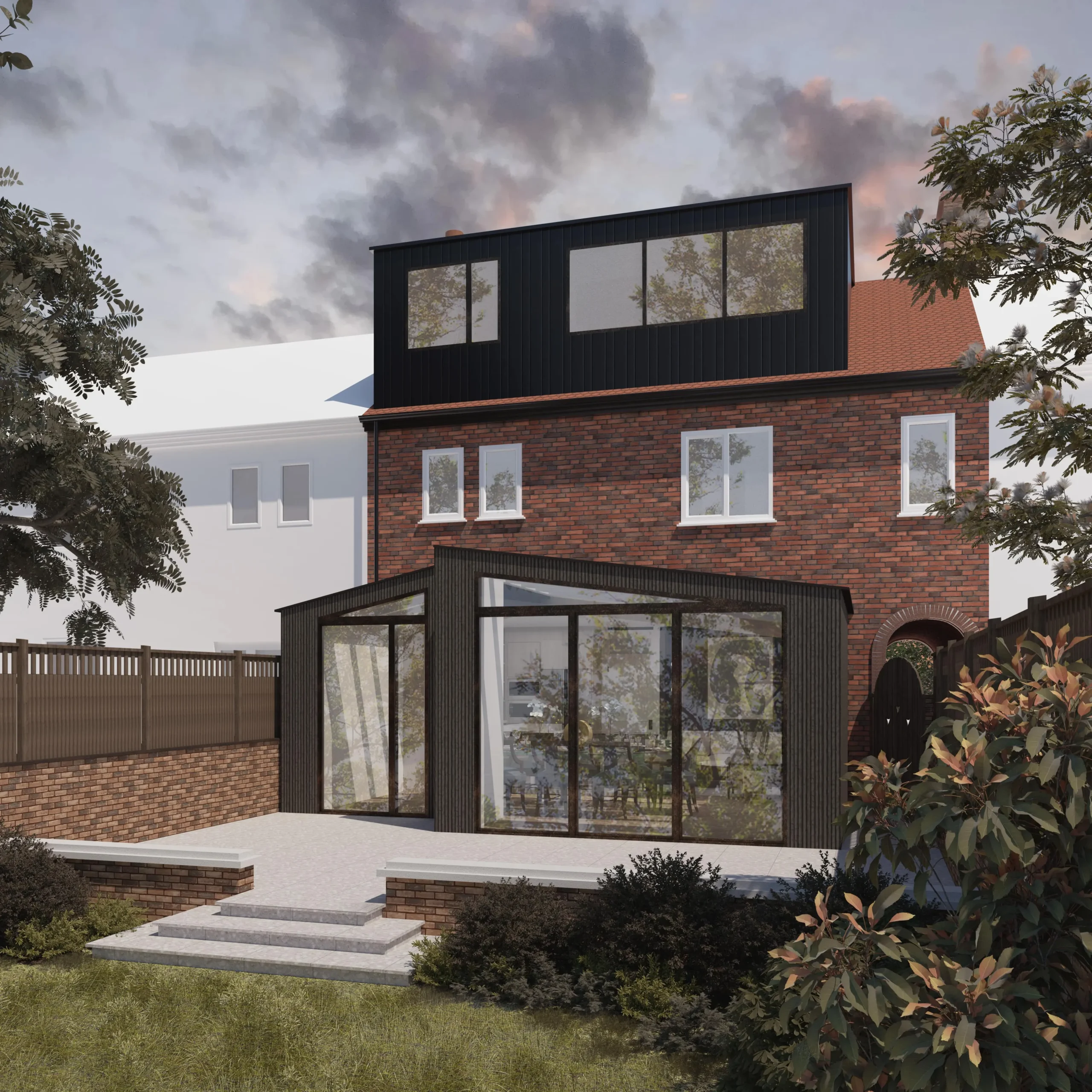
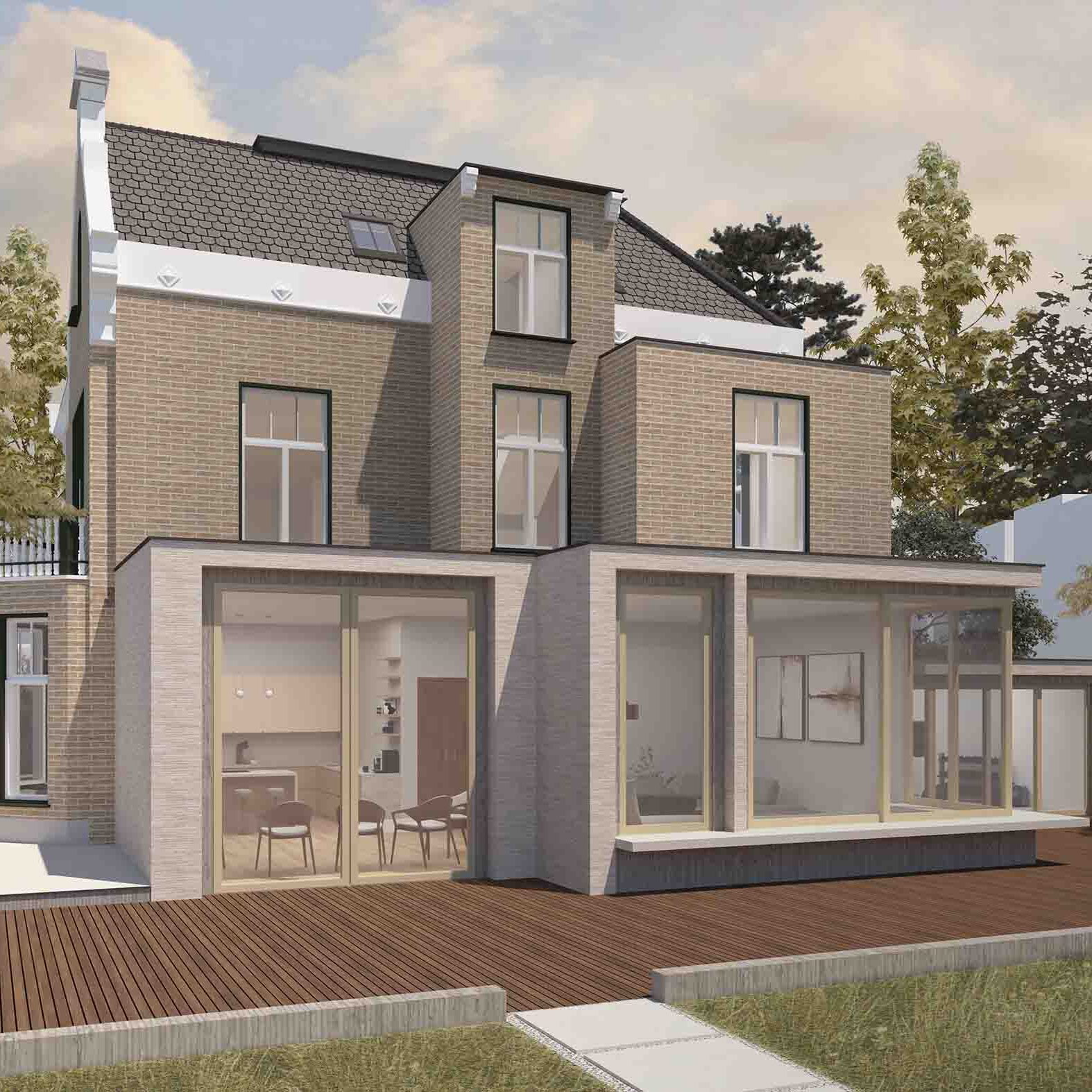
Permitted Development Loft Conversion – Petite House
Can I Get a Lawful Development Certificate After Building My Extension?
Yes, you can apply for a lawful development certificate (LDC) after your extension has been built. This is called a retrospective LDC, and it’s designed to confirm that the work you’ve completed was lawful at the time it was carried out. While this might seem like a convenient option, it’s not the recommended approach.
Why Retrospective LDCs Are Risky
- Potential Non-Compliance
Once your extension is built, any deviations from permitted development rules or planning regulations are irreversible without costly alterations. If the council finds your extension doesn’t comply, they could require modifications—or worse, full removal of the structure. - Stress and Delays
Applying for an LDC retrospectively can lead to a lengthy and stressful process, especially if enforcement action is taken. This can also create complications if you’re trying to sell your property, as the uncertainty may deter potential buyers or limit the value added by the extension. - Limited Certainty
Without an LDC in place before construction, you’re essentially working without official assurance that your project complies with planning regulations. This opens the door to disputes with neighbours or challenges from the council.
The Smarter Approach: Lawful Development Certificate Before You Build
At DeVis Architecture, we strongly recommend securing your LDC before starting construction. This proactive step ensures:
- Clarity: You’ll have complete confidence that your plans comply with the law. It’s not all as simple as a 3 meter house extension!
- Security: You’re protected from enforcement action, even years down the line.
- Peace of Mind: You can build without worrying about legal or financial setbacks.
If you’ve already completed your extension without an LDC, don’t panic. Get in touch with us, and we’ll guide you through the retrospective application process while exploring options to resolve any compliance issues.
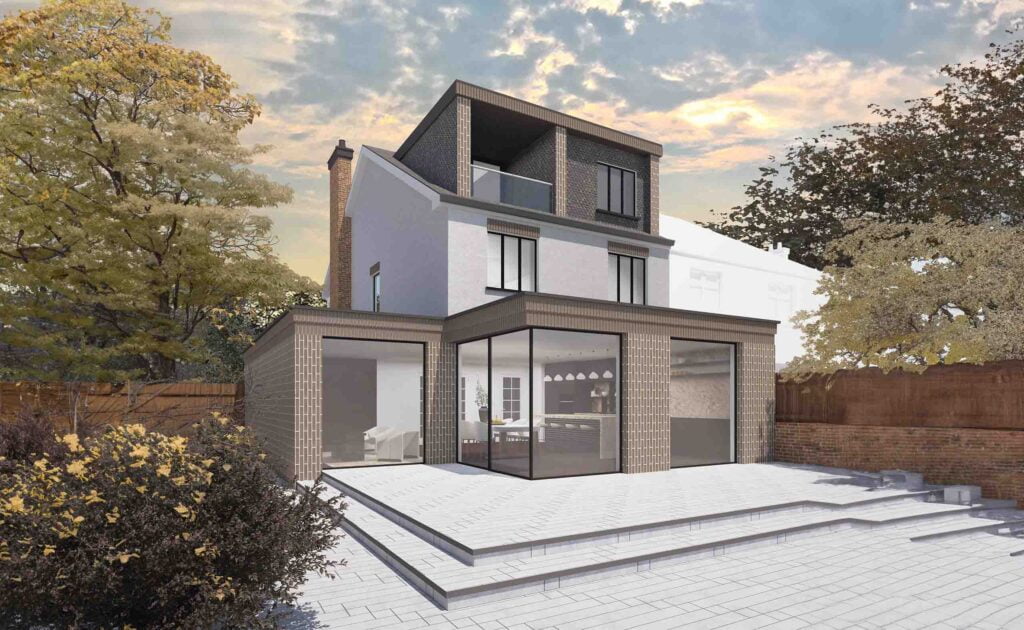
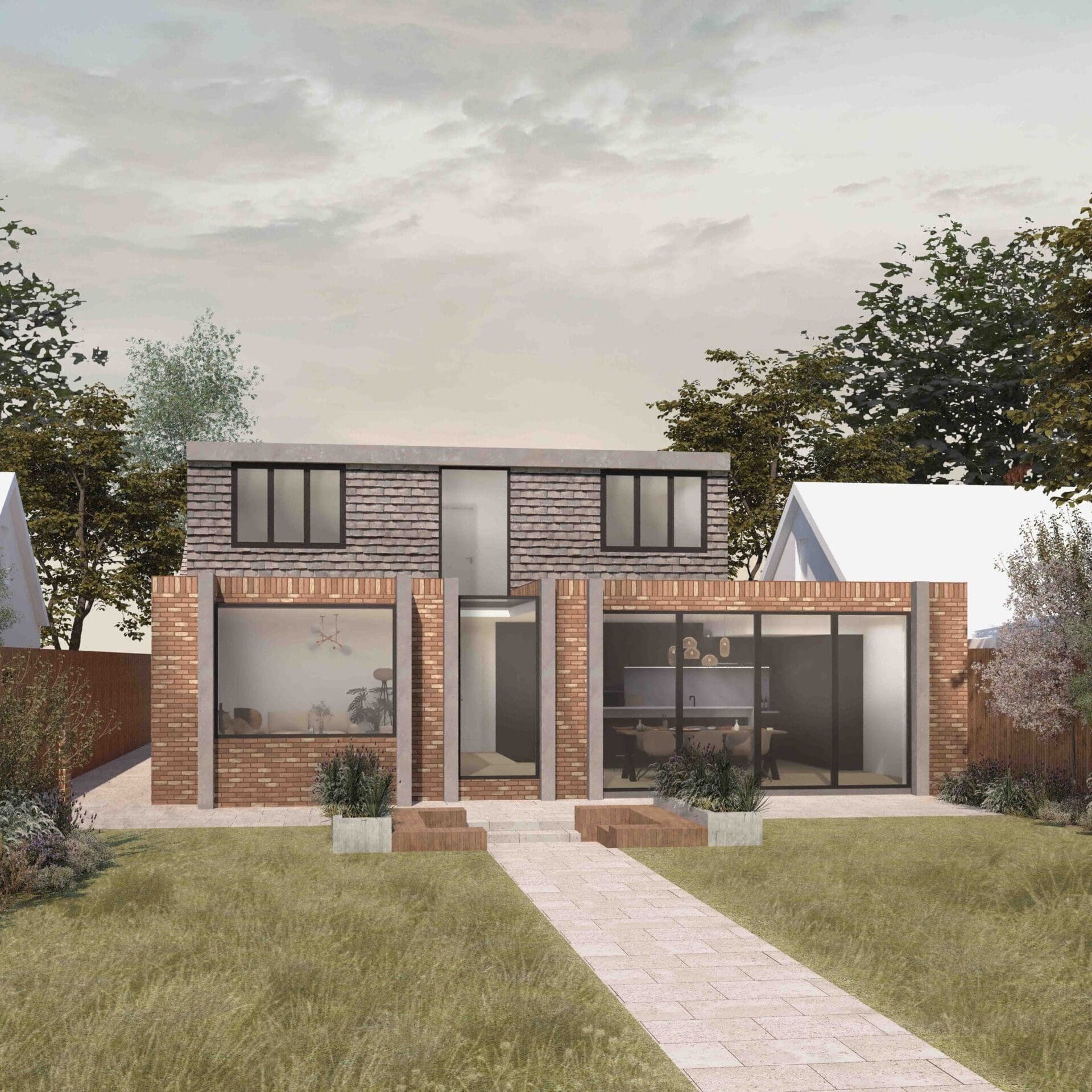
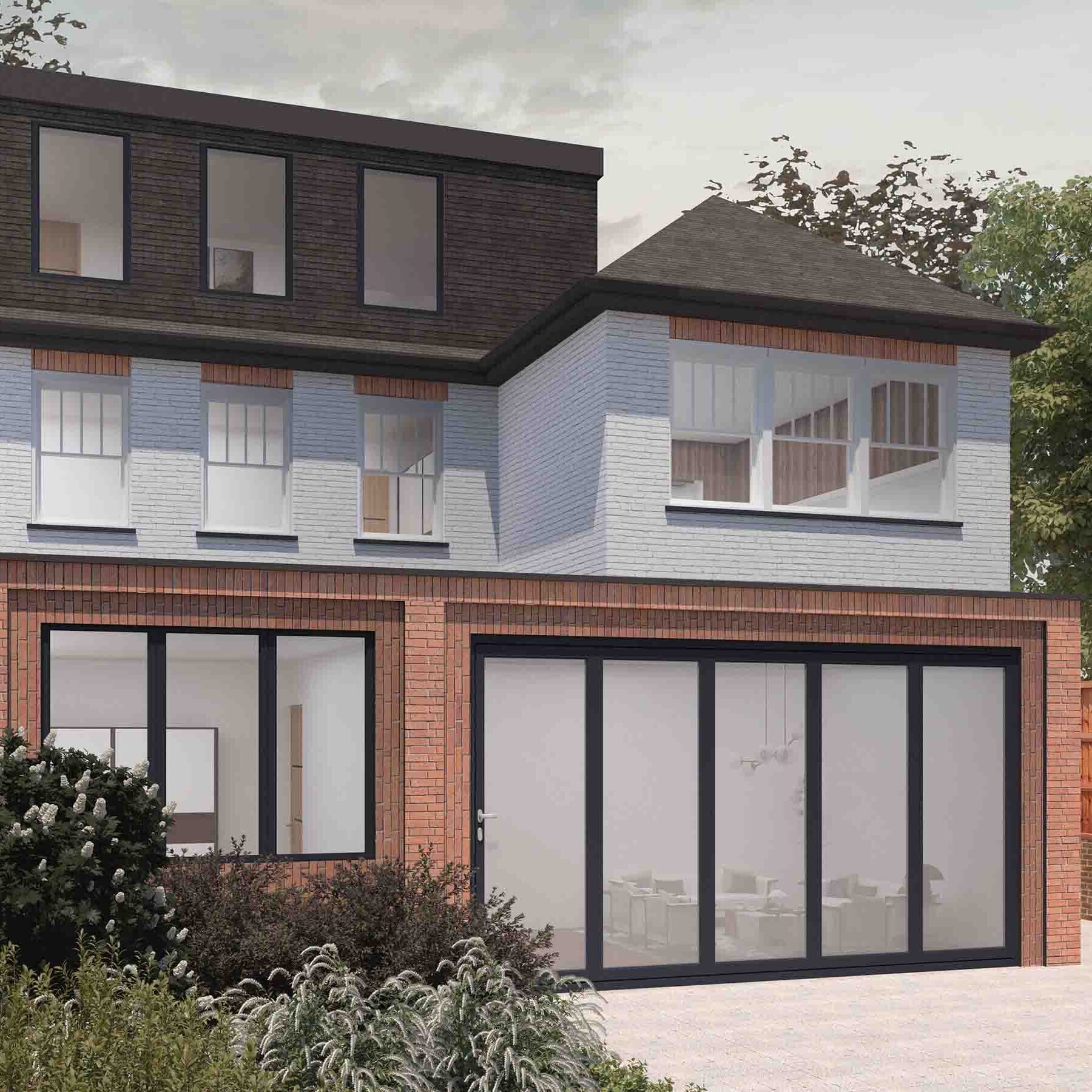
Single Storey Side & Rear Extensions Surrey – Ribbon House
How DeVis Architecture Can Help
A Family-Run Practice You Can Trust
At DeVis Architecture, we pride ourselves on being a family-run business with a personal touch. We understand that your home is more than just bricks and mortar—it’s your family’s sanctuary. That’s why we work closely with you to make the process as smooth and stress-free as possible.
Our Step-by-Step Approach
- Initial Consultation: We’ll sit down with you to discuss your vision and assess whether your project falls under permitted development.
- Detailed Plans: Our expert team will prepare high-quality LDC or planning permission drawings and documentation to support your LDC application.
- Submission and Follow-Up: We’ll handle the application process with your local planning authority, ensuring everything is in order.
- Construction Support: Once your LDC is approved, we’ll help you connect with trusted contractors to bring your project to life.
Why Choose DeVis Architecture?
- Local Expertise: Based in London, we’ve worked with councils across London and Surrey. We know the ins and outs of local planning rules.
- Personalised Service: As a family-run practice, we’re small enough to care but experienced enough to deliver.
- End-to-End Support: From initial designs to completion, we’ll be with you every step of the way.
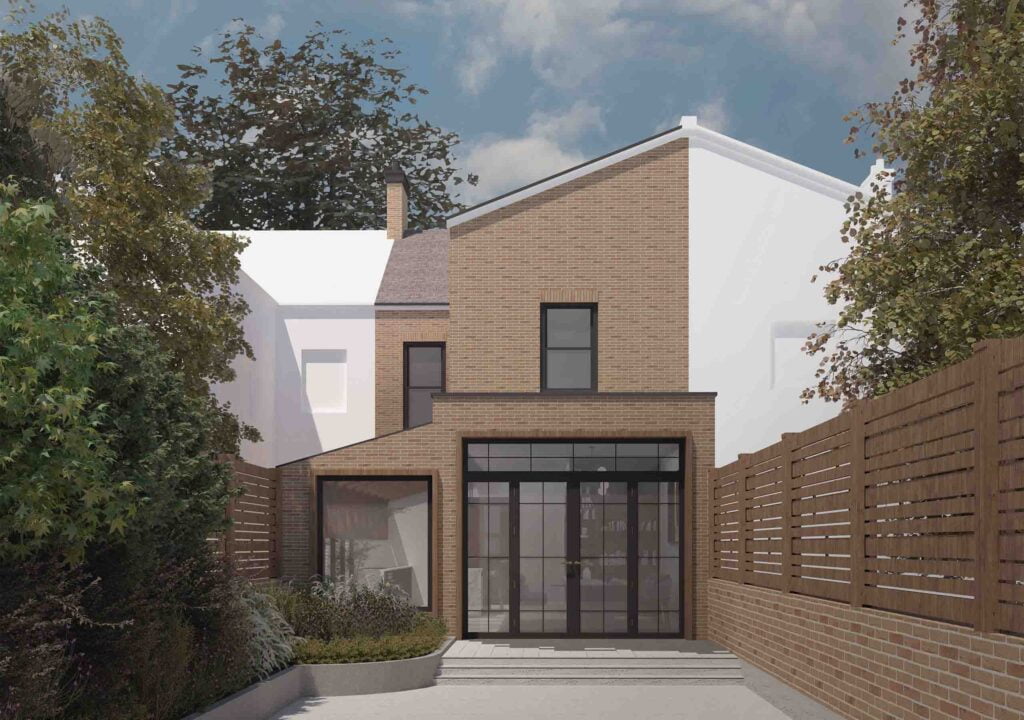
Traditional Yellow Brick Rear Extension – Walnut House
Common Questions About Lawful Development Certificate
How Long Does It Take to Get an LDC?
On average, it takes around 8-12 weeks for a council to process an LDC application. However, timelines can vary depending on your local authority.
What Happens If My LDC is Refused?
If your application is refused, we’ll work with you to revise your plans and resubmit. At DeVis Architecture, we have a strong track record of achieving successful outcomes for our clients.
Can I Apply for an LDC for Existing Work?
Yes! If you’ve already carried out work and want to confirm it’s lawful, you can apply for a retrospective LDC. This is especially useful if you’re planning to sell your home.
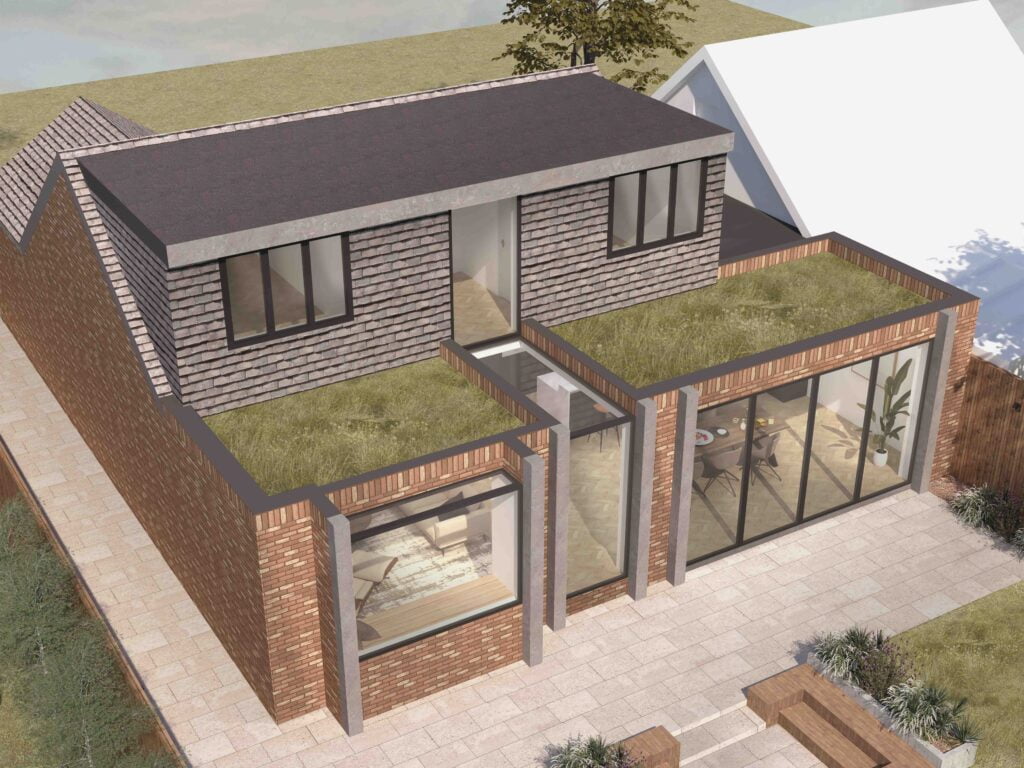
Single Storey Extension Surrey- Dash House
Planning Your House Extension
Whether you’re dreaming of a spacious kitchen extension or a cosy new room for the kids, DeVis Architecture is here to help. We’ll guide you through every stage, from understanding your permitted development rights to securing a lawful development certificate.
Why Wait?
Your dream home is closer than you think. Contact DeVis Architecture today for a free consultation and let us help you transform your home.
By taking the time to secure a lawful development certificate, you’re not just protecting your investment—you’re laying the foundation for a stress-free, successful project. And with DeVis Architecture by your side, you can focus on what really matters: creating a home your family will love for years to come.