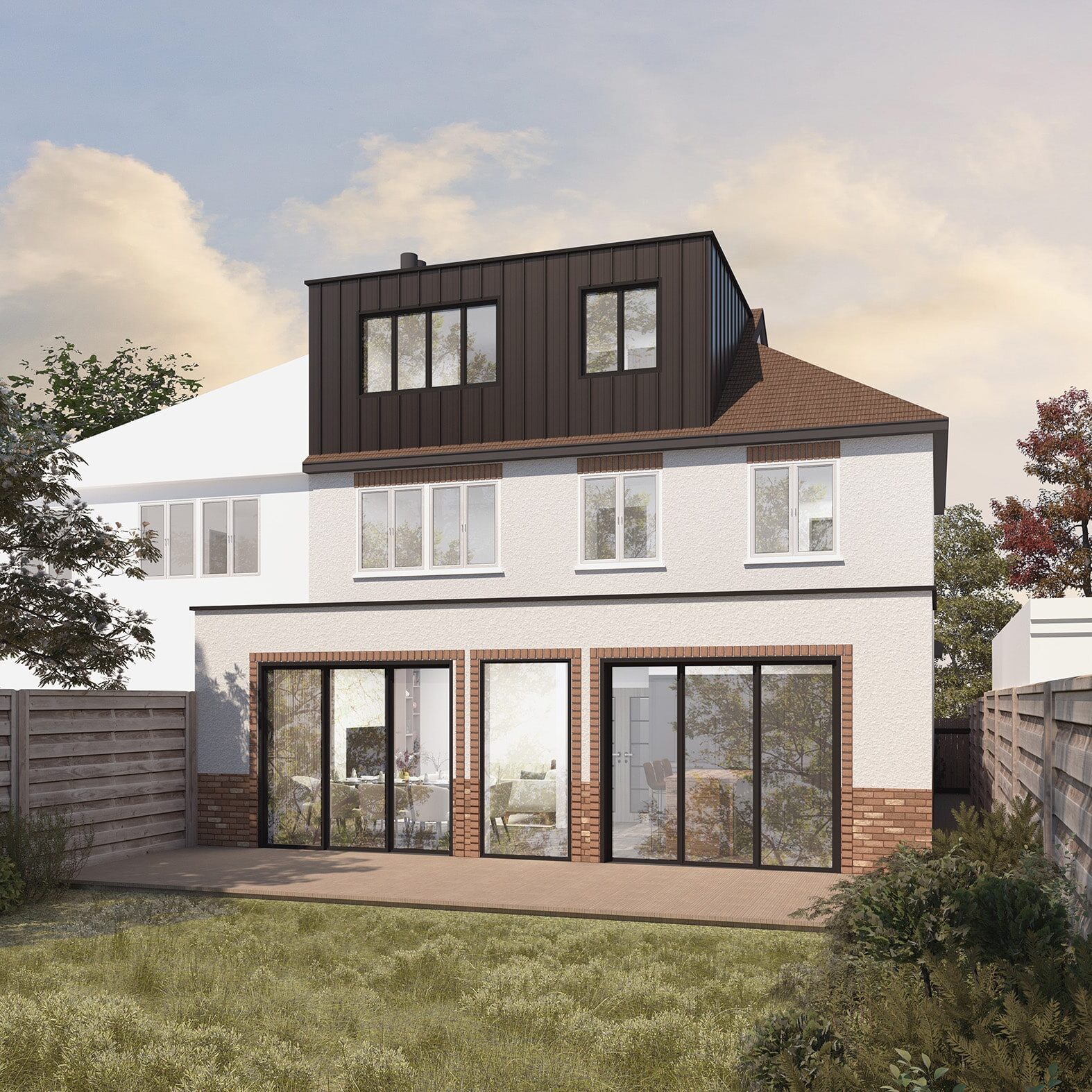
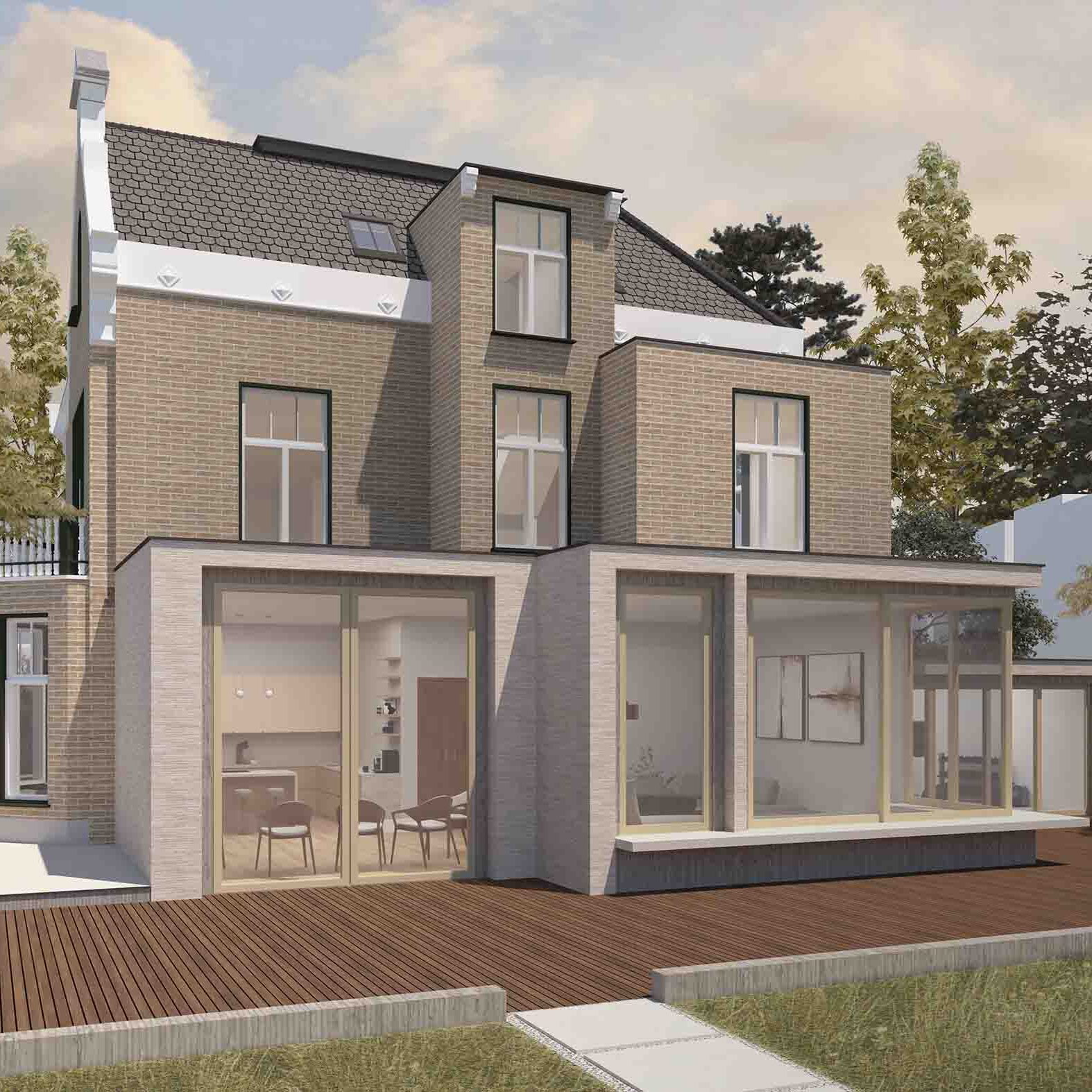
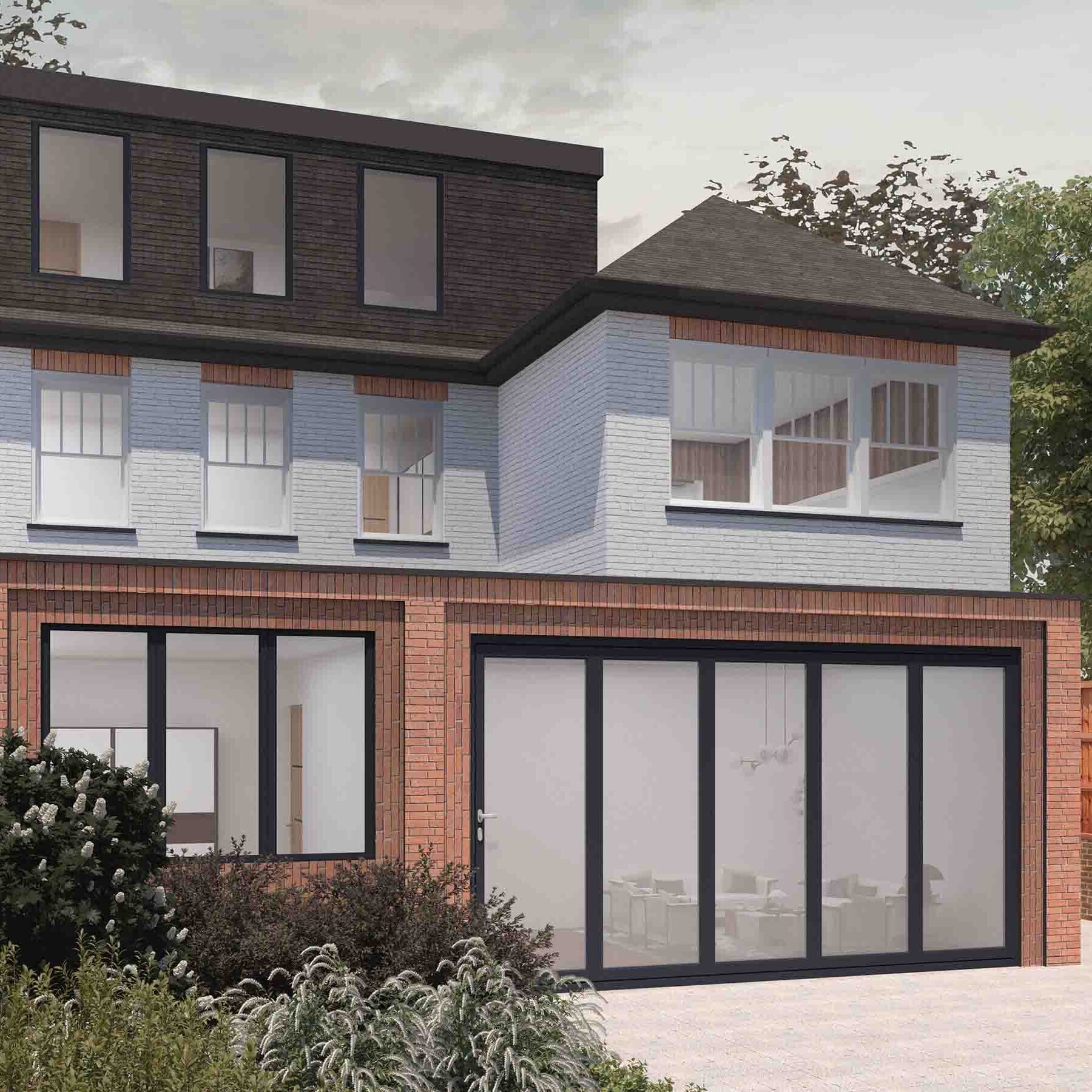
A 3 meter house extension is a popular choice for homeowners looking to expand their living space without undertaking a major renovation. Whether you’re in London or the surrounding areas, understanding the ins and outs of this type of extension can help you make the most of your home improvement project. In this guide, we’ll go through everything you need to know, covering the benefits of a 3 meter house extension, how to navigate the planning process, what additional permits / requirements you’ll need to cover, and insights from our professional experience to help give you the best possible experience & outcome.
In This Article
- What is a 3 Meter House Extension?
- Key Benefits of a 3 Meter House Extension
- Understanding Permitted Development vs. Planning Permission
- Planning Your 3 Meter House Extension
- House Extension Ideas: 3 Meter House Extension Inspiration
- 3 Meter House Extensions: Choosing the Right Materials
- The Importance of a Lawful Development Certificate
- Building Regulations for 3 Meter House Extensions
- Additional Requirements for a 3 Meter House Extension
- Our Advice for a 3 Meter House Extension Project
- Start Your 3 Meter Extension Journey with DeVis Architecture
60-second read
A 3-meter house extension is a highly popular, cost-effective way to create open-plan living areas or home offices. For most terraced and semi-detached homes, this depth falls under Permitted Development, often removing the need for full planning permission. However, success also depends on navigating technicalities: securing a Lawful Development Certificate for future resale, ensuring compliance with Building Regulations, and selecting durable materials like brick or charred timber. While seemingly a “small” addition, clever architectural design, such as incorporating bi-fold doors and skylights, can significantly maximise natural light and property value without a major structural overhaul.
What is a 3 Meter House Extension?
First things first – what exactly is a typical 3 meter house extension? Simply put, it’s an extension that adds an additional 3 meters (external dimensions) to your home over a single storey. This could be a rear extension or a side extension, but most commonly the term is used to describe an extension to the rear of your house. It’s a popular choice because it’s often just enough to create a new room or transform your existing space into an open plan kitchen/living/dining area.
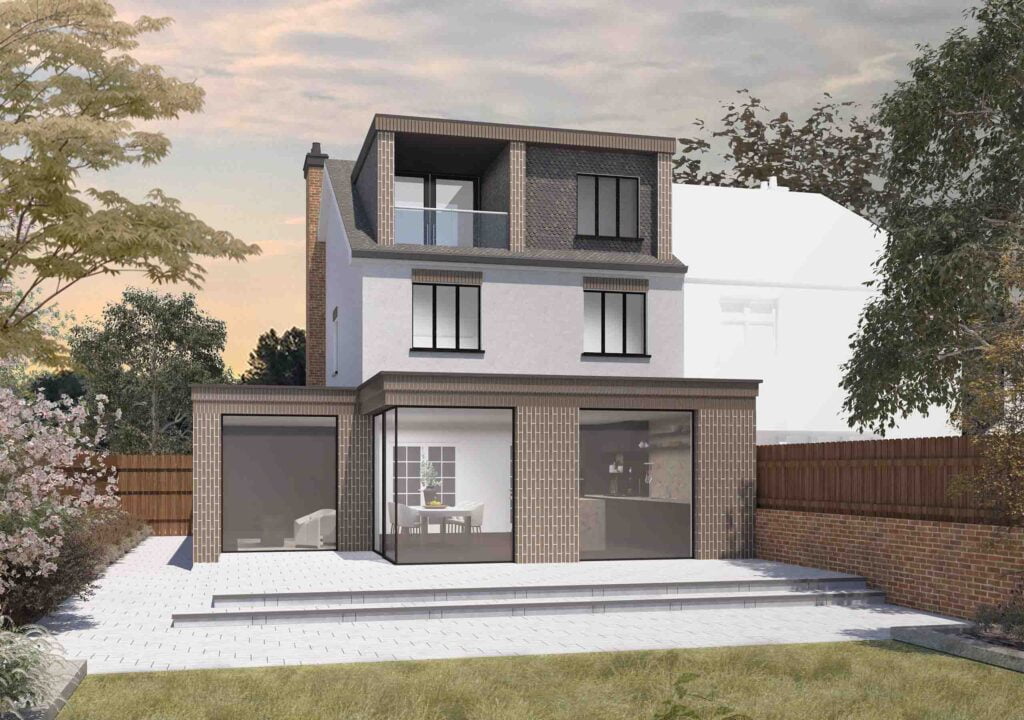
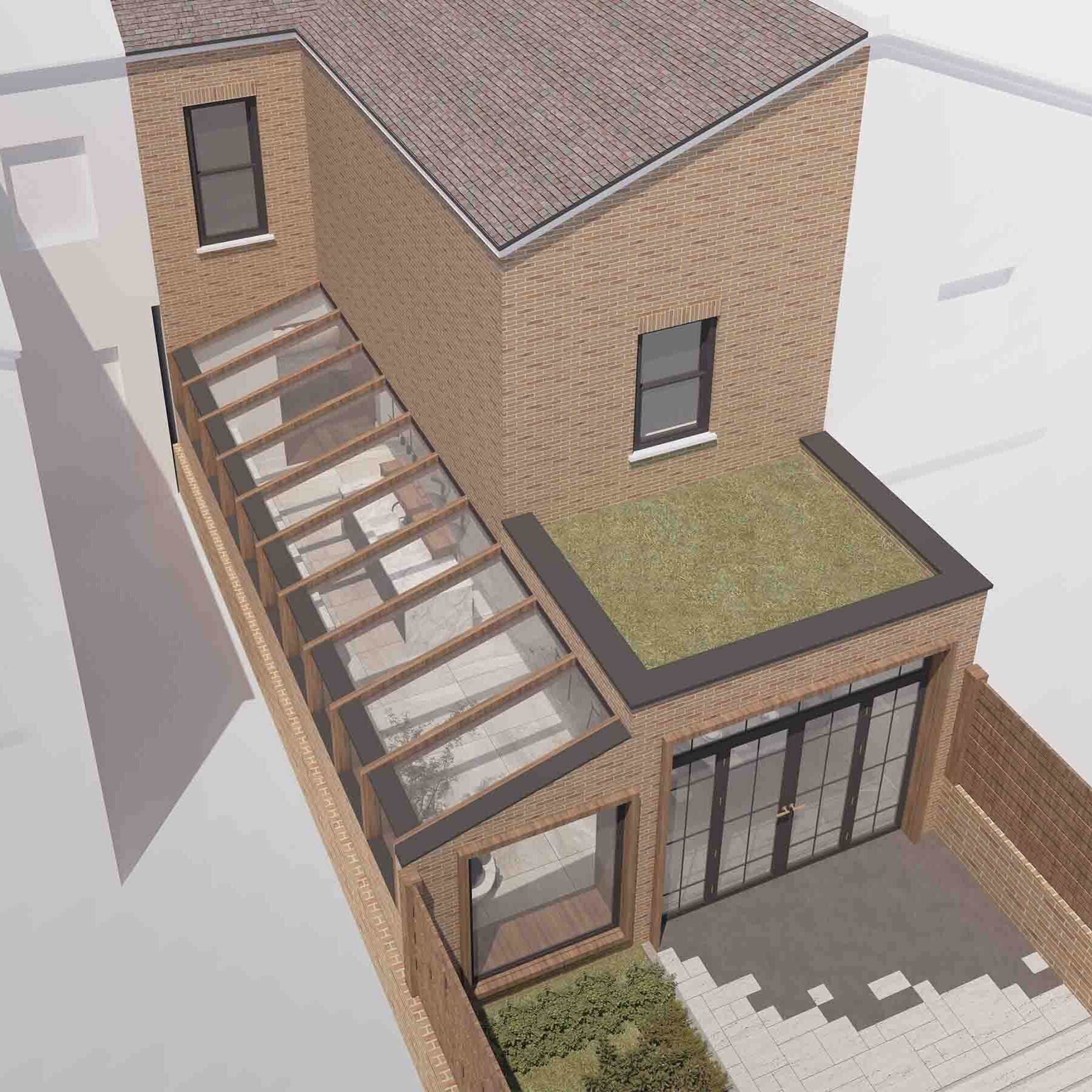
Modern 3 Meter House Extension – Ribbon House
Key Benefits of a 3 Meter House Extension
So why choose a 3 meter house extension?
Adding 3 meters to your home is an impactful choice that can improve functionality, add value, and modernise your space. There are several key reasons why people make this choice, including:
- Space to Grow: Whether you need a larger kitchen with a 3 meter kitchen extension, a family room, or an additional living area, a 3 meter extension provides room to expand without overwhelming your home’s existing structure or substantial cost.
- Investment in Value: Extra square footage generally increases property value, making it a smart financial move for the future.
- Cost-Efficient and Convenient: Compared to larger projects or a complete move, a 3 meter house extension is a cost-effective and convenient way to upgrade your home. Read about House Extension Cost here!
- Ease of Planning: For most homes, a 3 meter house extension falls under permitted development, meaning that you may not need expensive environmental consultants or even local planning authority (LPA) approval. In most cases, you can proceed without formal notification to the planning department, though we typically recommend applying for a Lawful Development Certificate (LDC) to make sure you’re covered.
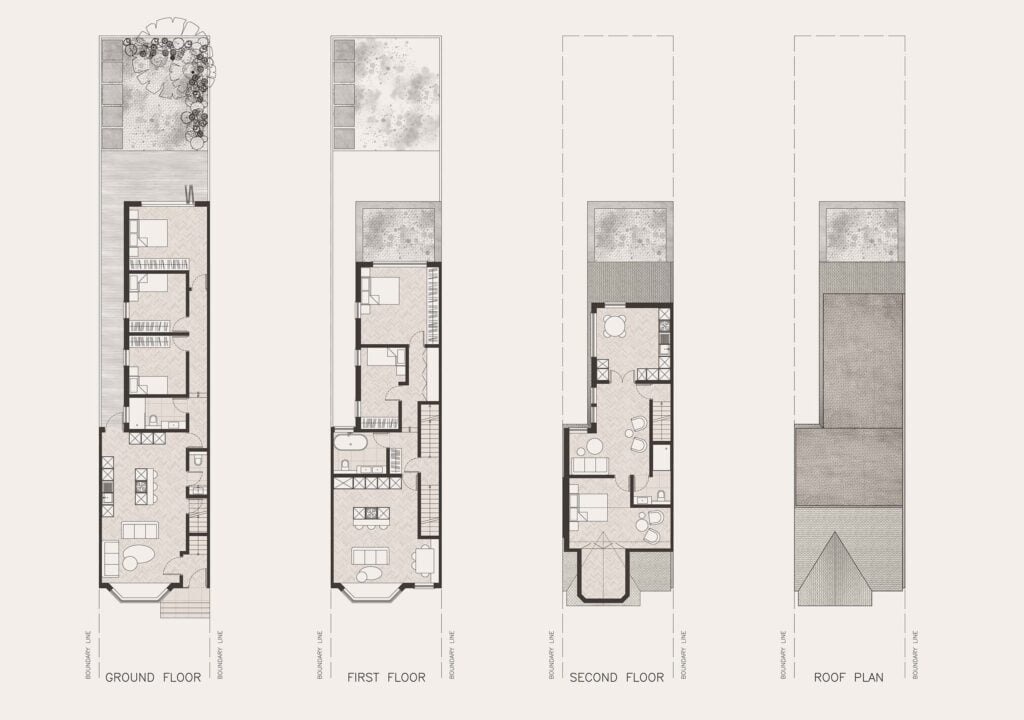
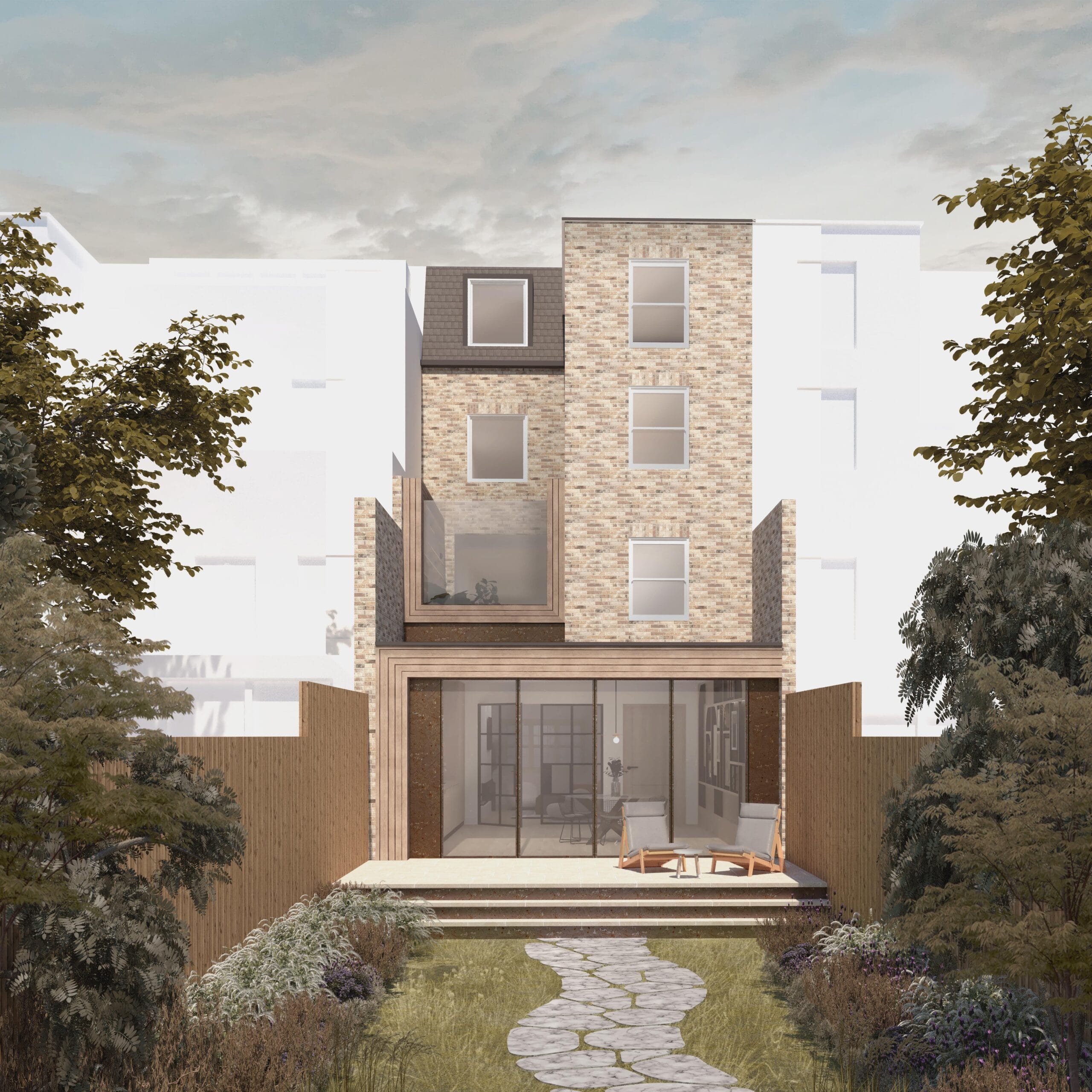
3 Meter Rear Extension & Loft Conversion – Petite House
Understanding Permitted Development vs. Planning Permission
Here’s where things get a bit technical. Whether you can build a 3 meter extension under Permitted Development (PD) rights or need full planning permission depends on a few factors.
Permitted Development Rights
For most homes, a 3 meter extension falls under Permitted Development rights, which means you can add this extension without needing full planning permission. However, this only applies if you meet specific criteria:
- For Detached Homes: You can extend up to 4 meters from the original rear wall.
- For Semi-Detached or Terraced Homes: You’re allowed to extend up to 3 meters from the original rear wall.
- Extension Height: There are also requirements in terms of heights, for example, the height of a flat roof extension will differ to that of a mono or dual pitched extension roof.
Remember, this is under the standard PD rights. If you want to extend further, you can apply under the Prior Approval / Larger Home Extension Scheme, which allows extensions to be double the standard PD depth: up to 8 meters for detached homes and 6 meters for others. However, this requires an application to the council and an official consultation with neighbours. With this scheme, if any of the neighbours object to your proposals, the council will review the plans as a standard householder planning application, and are unlikely to approve a large extension which is likely to impact the amenity (daylight, outlook, privacy) of neighbouring homeowners.
Planning Permission
If your home is a flat, in a conservation area, a listed building, or falls under certain local restrictions (Article 4 Directions), you’ll probably need to apply for planning permission. It’s a good idea to check on the planning portal or speak to a local architectural designer or planning expert like us to see if your planned extension fits within these guidelines.
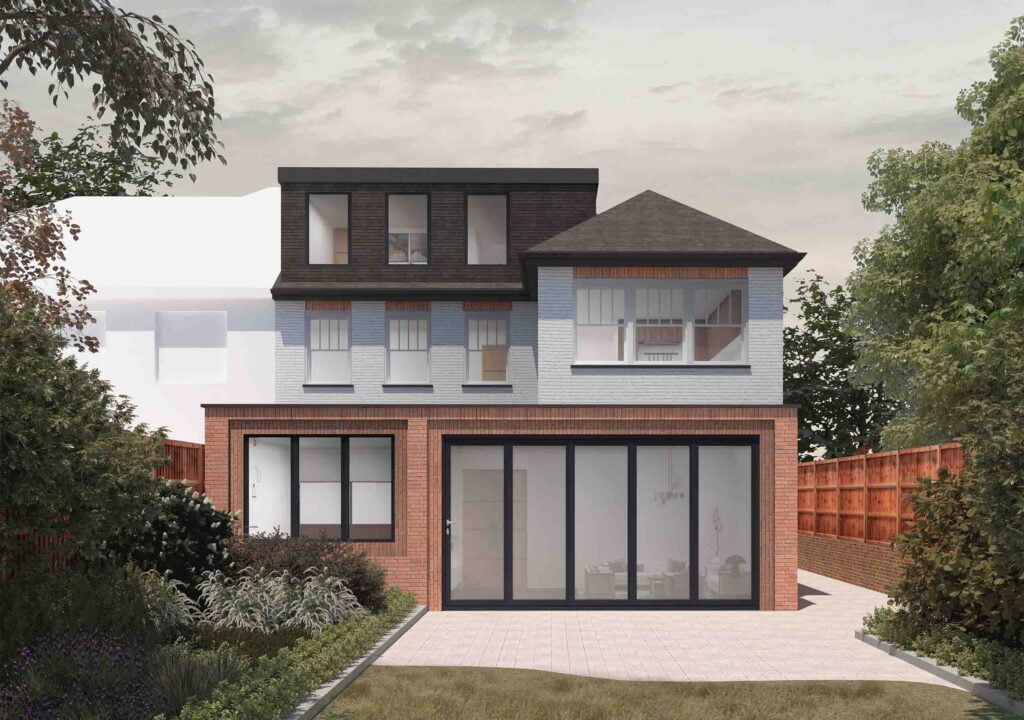
Combined 3 Meter House Extension & Loft Conversion – In & Out House
Planning Your 3 Meter House Extension
When you’re planning a 3 meter house extension, there are several important aspects to keep in mind to ensure a smooth process. It all starts with a clear idea of what you want from your new space – whether it’s a bigger kitchen, an additional living space, or a home office.
A 3 meter extension might not seem huge on paper, but with clever design and a clear vision of what you need, it can have a big impact on your home. Considering features like open-plan living or adding large bi-fold or sliding doors (our preference!) that will flood the space with natural light, won’t just improve your lifestyle but also add signfiicant value to the proeprty.
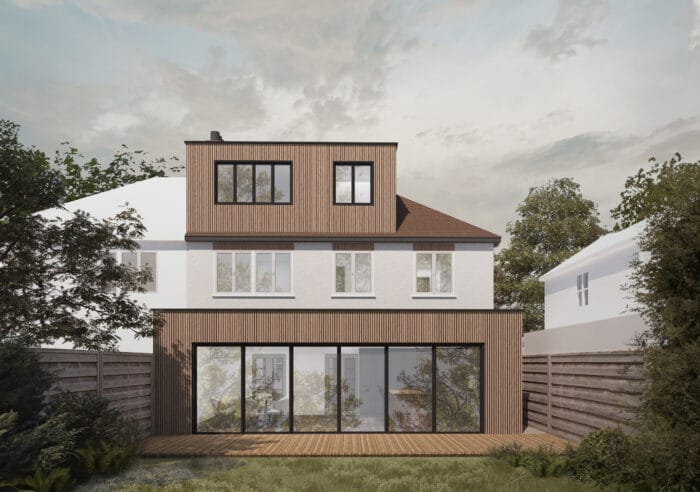
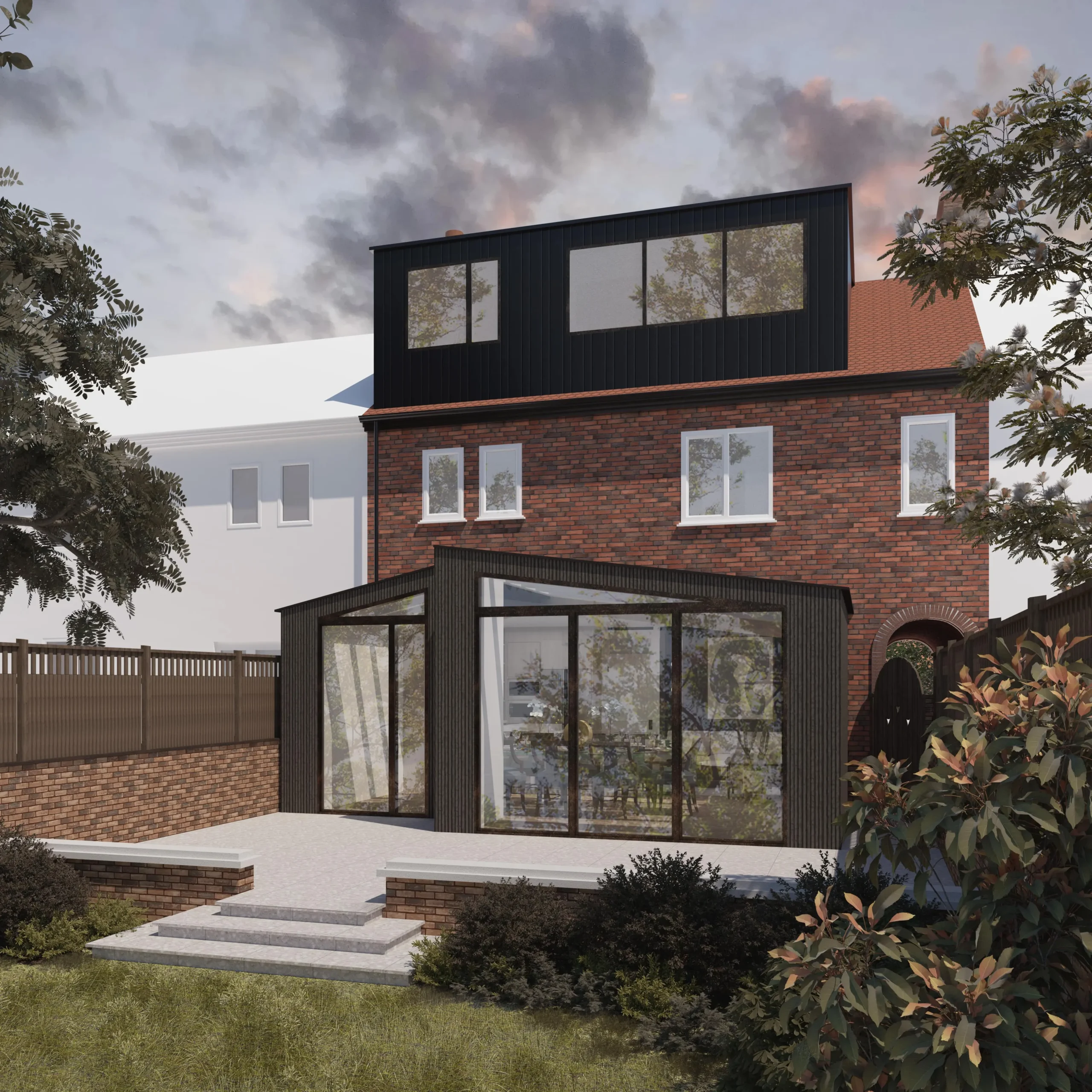
3 meter House Extension with Timber Cladding – Scarlet House
House Extension Ideas: 3 Meter House Extension Inspiration
A 3 meter extension opens up so many possibilities! Need some house extension ideas? Here are a few to get your creative juices flowing:
- Open-Plan Kitchen/Dining Area: Use the extra space to create a sociable, family-friendly area where cooking, eating, and relaxing all happen together.
- Home Office: With more people working from home these days, a dedicated office space can free up other rooms and increase productivity.
- Extra Living Space: Turn your extension into a cosy living room or snug that’ll be perfect for relaxing at the end of a busy working day.
- Utility Room: If you’re running out of space in your kitchen, a common request we hear day-to-day is to use a part of the extension, or a newly redundant area towards the centre of the property with less natural light, for a utility or laundry room to keep things organised and clutter-free.
One of the best ways to feel inspired about an upcoming project is through looking at previously built or designed examples. Be it via our published case studies or through Pinterest or Instagram, having a good idea of the design style and form of your 3 meter house extension before getting started will not only save time, but also lead to a result that you can truly be proud of.
Whatever your ideas, a well-planned 3 meter house extension can totally transform how you use your home. Discuss with our expert architectural services in London to review your goals and find out how we can assist you in enhancing your home for your specific lifestyle arrangement.
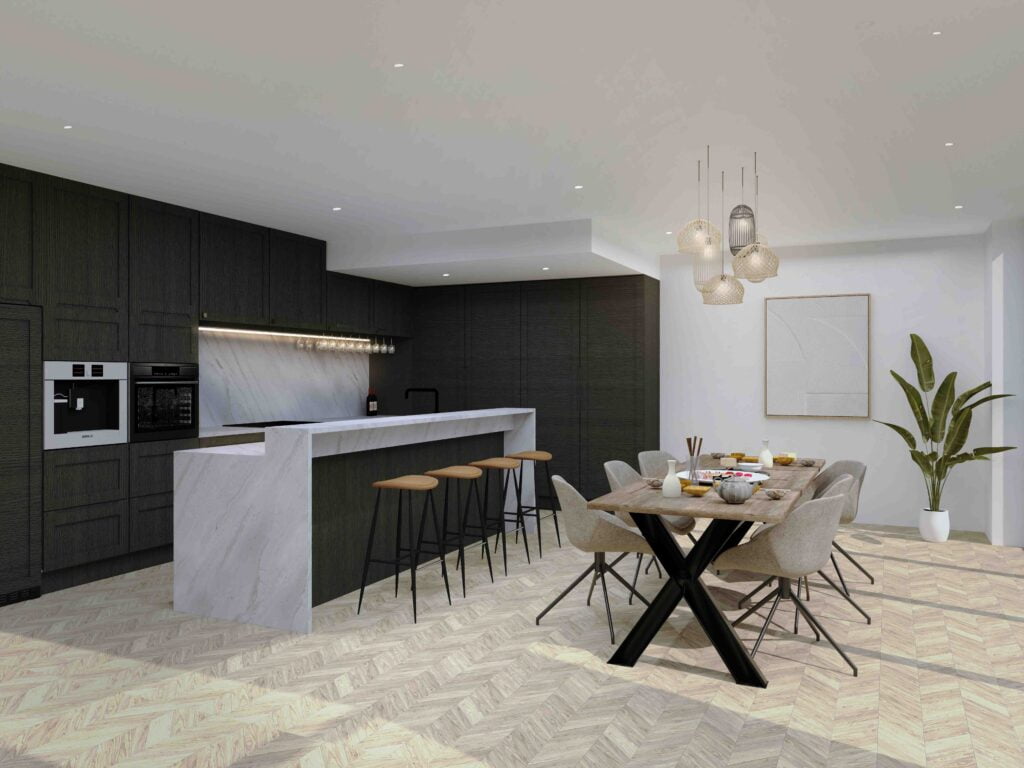
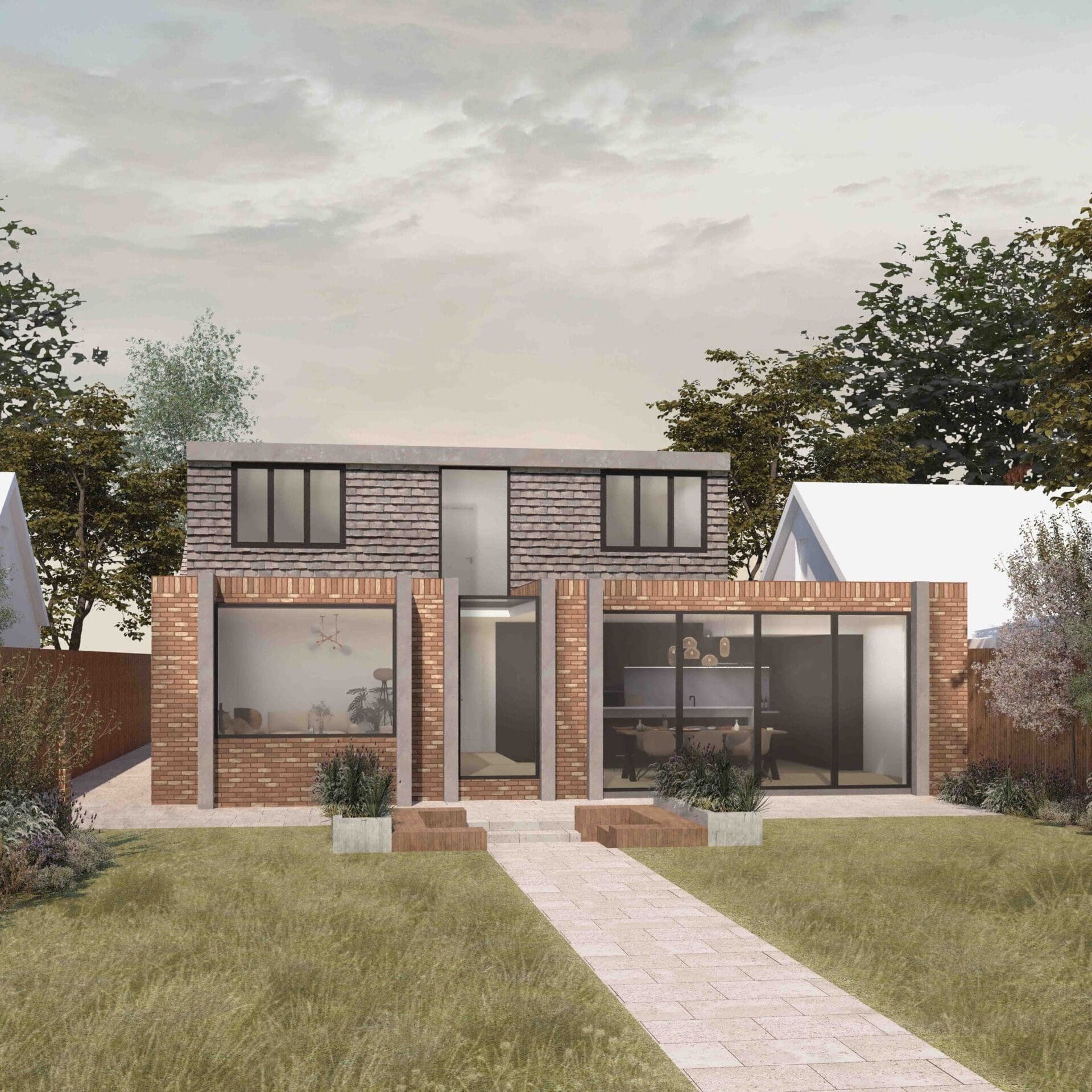
3 Meter House Extension Open Plan Kitchen-Diner – Dash House
3 Meter House Extensions: Choosing the Right Materials
When it comes to your 3-meter house extension, choosing the right materials makes all the difference!
Brick or masonry is a classic. It insulates well and blends effortlessly with traditional homes. Rendered finishes can also be great, but in all honesty, they do not age as timelessly as traditional brickwork. That said, block & render construction is typically less expensive, so can work well on a budget or where the existing property is also rendered.
Timber cladding is super popular in the current climate, bringing a warm and natural aesthetic to the outside. However, it typically needs quite a bit of upkeep to stay looking fresh. If low-maintenance is more your thing, we recommend to look into composite materials like composite cladding (such as Millboard, Ecoscape etc). These are very durable, weather-resistant, and come in loads of colours and textures to suit any style. Alternatively you could also look into treated timber such as Shou Sugi Ban, which is an age-old Japanese technique of charring timber to make it durable, fire-resistant and resistant to rot & UV fading.
Every option has its perks, so think about what fits your home’s style and how much maintenance you’re up for. For more information, see our other blog on Brick vs Render vs Cladding.
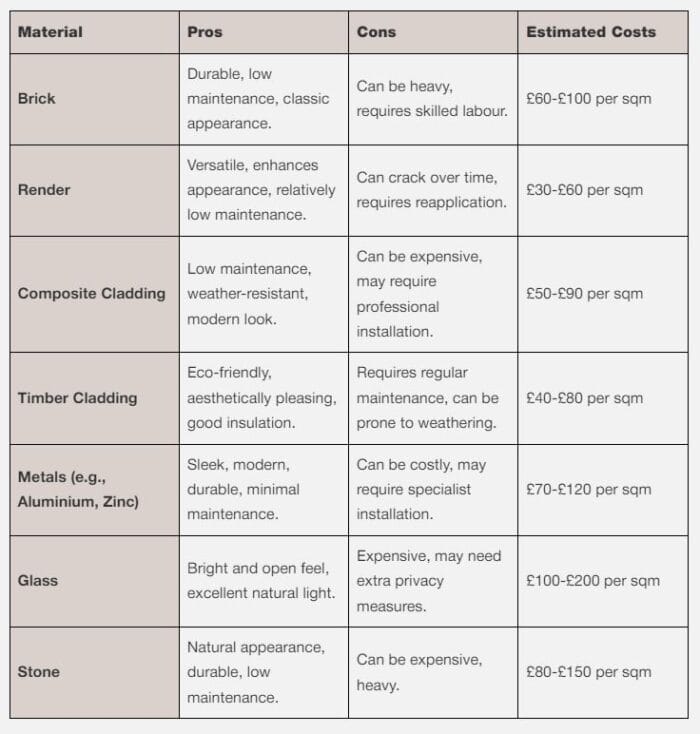
Each material has its own set of benefits and drawbacks, so consider what works best with your home’s existing style, personal preferences and of course your budget.
The Importance of a Lawful Development Certificate
Even if your extension falls under permitted development, it’s always a good idea to get a Lawful Development Certificate (LDC). This certificate, provided by the local authority for a fixed fee & after a review of the plans, proves that the work was completed legally and within the set house extension rules under PD. While it’s not a legal requirement and you can actually build without one, it can save you a lot of hassle down the line, especially if you plan to sell your home. It’s the only way to confirm that your 3 meter house extension was built by the book and provides peace of mind and can be helpful when dealing with difficult neighbours or planning authorities.
Building Regulations for 3 Meter House Extensions
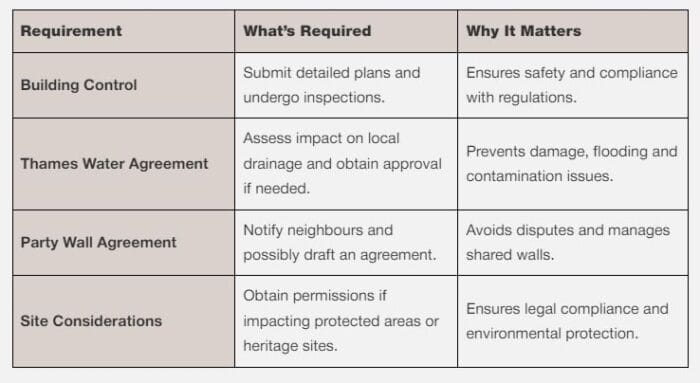
Building Regulations are separate from planning permission and deal with how your 3 metre house extension is constructed, rather than whether you’re allowed to build it. They ensure the extension meets national standards for structural safety, fire protection, insulation, ventilation, drainage, electrics and more under the Building Regulations 2010: Approved Documents. Even if your extension falls under permitted development and doesn’t require planning permission, it will almost always require Building Regulations approval. This typically involves submitting building regulations drawings and structural details for approval and arranging site inspections during construction.
There are a few exceptions, for example, certain conservatories are exempt if they are built at ground level, are under 30m² in floor area, and are separated from the main house by thermally insulated external walls, windows or doors – meaning they remain thermally independent from the dwelling. Similarly, porches are exempt from regulations, providing they are under 3m² and are thermally independent. However, elements such as electrical work, glazing safety, and structural alterations (like removing the original rear wall) can still trigger compliance requirements.
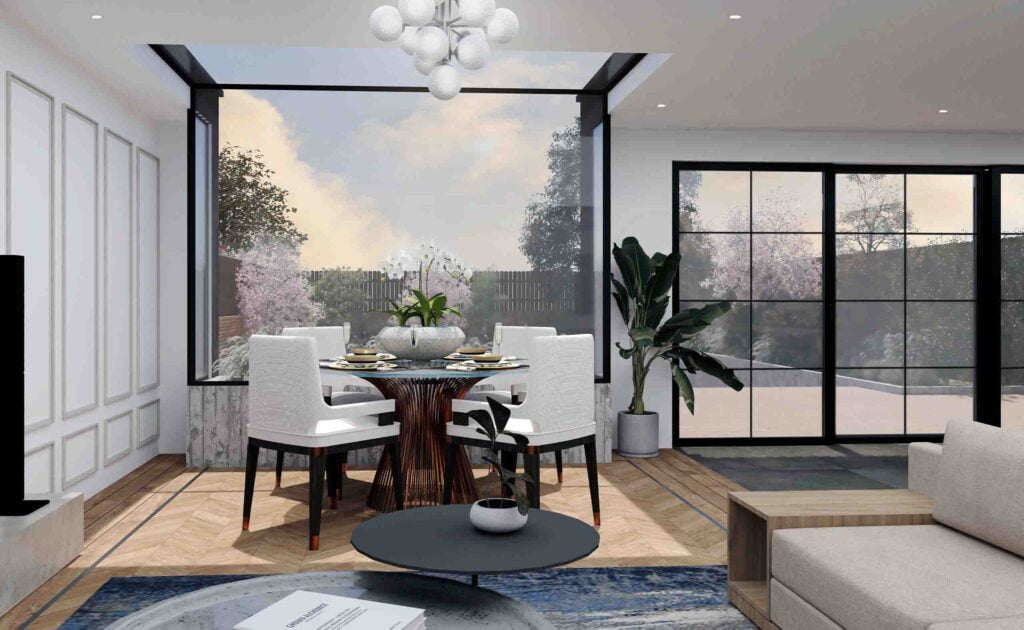
3 Meter House Extension with Lots of Natural Light – Flow House
Additional Requirements for Your 3 Meter Extension
Before you dive into the excitement of new space and the design process, there are a few extra boxes to make sure you are aware of and considering from the outset. From making sure your plans pass the necessary inspections to sorting out any agreements with neighbours, these additional processes will keep your project on track and stress-free.
Our Advice for a 3 Meter House Extension Project
Here are some pro tips to ensure your house extension project goes smoothly:
- Get Professional Advice Early: Speak with a professional architectural and planning specialist early on to make sure your extension is achievable without planning permission, or if planning is needed, how best to go about the process.
- Secure a Lawful Development Certificate: If it does fall under PD, this document from the council confirms that your extension is legally permitted and will be required when selling your property.
- Choose a Reputable Design Team: Decide on a practice with local experience and a proven track-record that can guide you through the whole process, saving you time and stress. We’re happy to discuss how we can help you if you’re based in London or Surrey, and work nationwide on planning-only projects supporting clients towards their dream space.
- Stay Updated: Make sure you’re aware of the latest changes to permitted development rules, planning constraints or evolving planning policy for your property/area. Most reputable design teams (such as us, who are both qualified as architectural professionals & planning consultants) will double up as or employ a separate planning consultant, who will advise based on the most appropriate route for your specific circumstances.
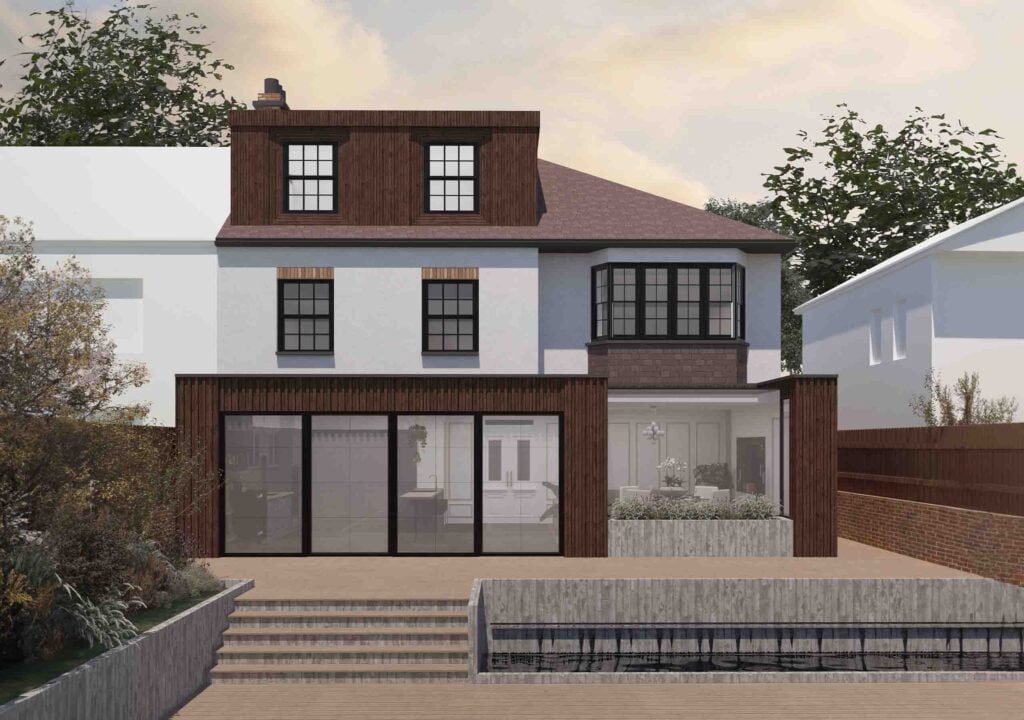
Contemporary 3 Meter Rear Extension with Timber Cladding – Flow House
Start Your 3 Meter Extension Journey with DeVis Architecture
A 3 meter house extension is an exciting step to boost your home’s space and add value. With the right planning, materials, and design approach, it can become a valuable, functional part of your home.
Thinking about adding a 3 meter extension? Speak to our team today to find out about our process and get a free consultation. We’re here to guide you through the process and help make your dream space a reality!