When planning a house extension, one of the most important decisions you’ll make is choosing the right materials for your new space. Brick vs Render are two of the most popular options for exteriors, each offering distinct advantages depending on the style and function of your extension. But how do you know which is the best choice for your home? Let’s break it down, along with some alternative options, to help you decide.
In This Article:
- Why Material Choice Matters for Home Extensions
- Brick Exteriors: Classic Charm and Durability
- Render Exteriors: Modern, Clean Lines
- Cost of Brick vs Render
- Alternative Exterior Materials for Home Extensions
- Quickfire Benefits: Brick vs Render vs Cladding
- Which Is Right for Your Project: Brick vs Render vs Cladding?
- Final Thoughts on Brick vs Render for House Extensions
30-second read
Choosing between brick and render for a house extension comes down to balancing aesthetics, budget, durability, and maintenance. Brick is a more traditional, durable option that tends to cost more upfront but requires very little upkeep and can last for decades, making it ideal for long-term homeowners or those wanting a seamless match with existing period properties. Render, on the other hand, offers a more modern, clean finish that is usually cheaper and faster to install, but it typically requires more maintenance over time and may not offer the same level of durability as brick.
Alternative options like timber cladding, stone, or composite materials can also provide distinctive finishes depending on the design intent, from contemporary minimalist extensions to more natural or heritage-led looks. These, however, may come with planning permission requirements if they do not match the existing house. Ultimately, the best choice depends on how you want the extension to sit with your existing home, your budget, and how long you plan to stay in the property.
Why Material Choice Matters for Home Extensions
Your choice of material doesn’t just affect the aesthetics of your extension—it impacts the durability, maintenance, and insulation of the space. Whether you’re looking to blend the extension seamlessly into your existing home or want to make a bold statement, understanding the strengths of each material will help guide your decision.
Factors like local climate, the design of your existing home, your budget, and maintenance preferences all play a role in the material decision. Now, let’s explore the two heavyweights—brick and render.
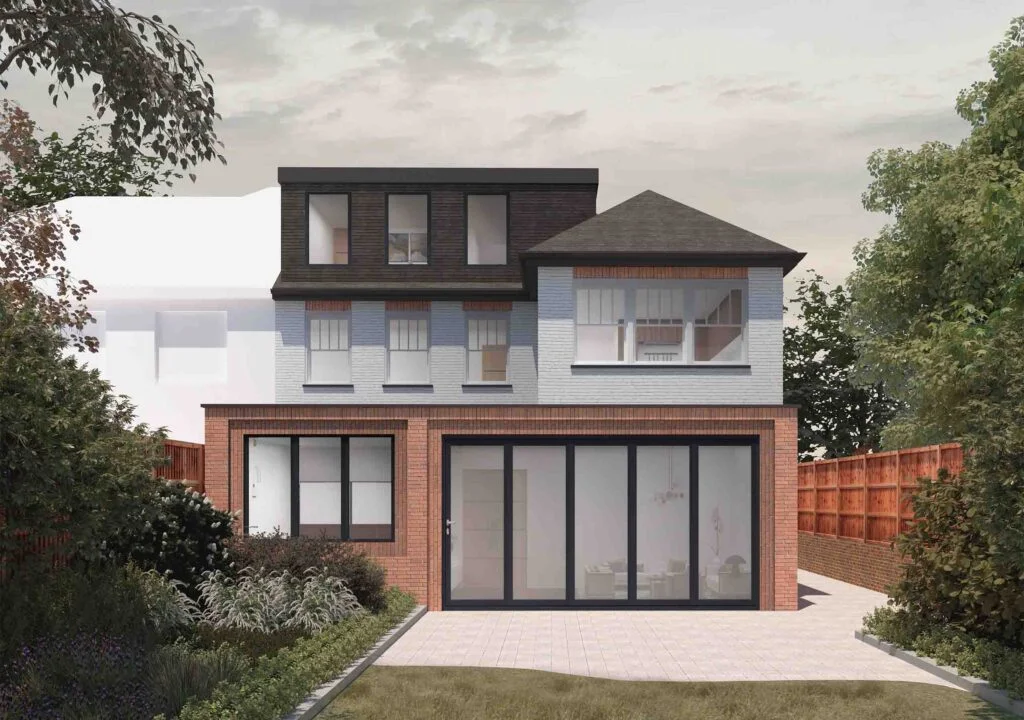
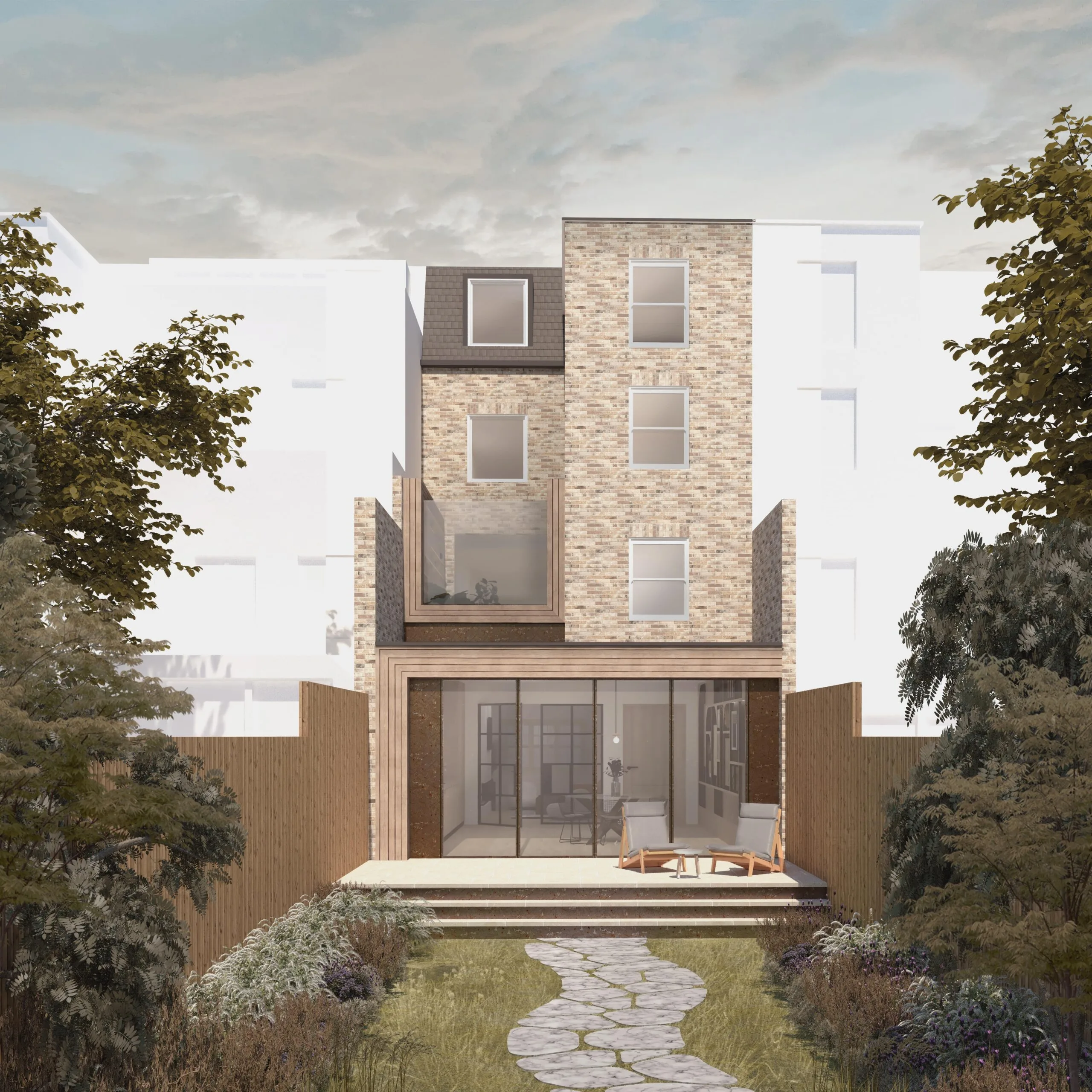
Part Single, Part Two Storey Rear/Wraparound Extension – In & Out House
Brick Exteriors: Classic Charm and Durability
Brick is the go-to option for many homeowners when it comes to house extensions. It’s a timeless choice that offers strength, resilience, and a natural look that can suit both traditional and contemporary properties.
Pros:
- Longevity: Bricks are known for their durability and resistance to the elements. A brick extension can last for decades, often requiring minimal maintenance.
- Thermal Insulation: Bricks have natural insulating properties, helping to regulate the temperature inside your extension and reduce energy bills.
- Aesthetic Appeal: Brickwork provides a traditional, textured look that can complement both modern and period properties such as for Victorian home extensions. You can choose from various brick types and colours to match your home’s existing style.
- Low Maintenance: Brickwork & masonary requires little upkeep over time. A good cleaning every few years is usually enough to keep them looking fresh.
Cons:
- Cost: While brick can be more expensive than render initially, it can also add significant value to your home, making it a good investment in the long run.
- Building Time: Brickwork takes longer to construct than render, meaning your extension may take more time to complete.
- Heavier Weight: Bricks are heavier than render, which may require additional structural considerations, especially if you’re adding a double storey extension or extending upwards.
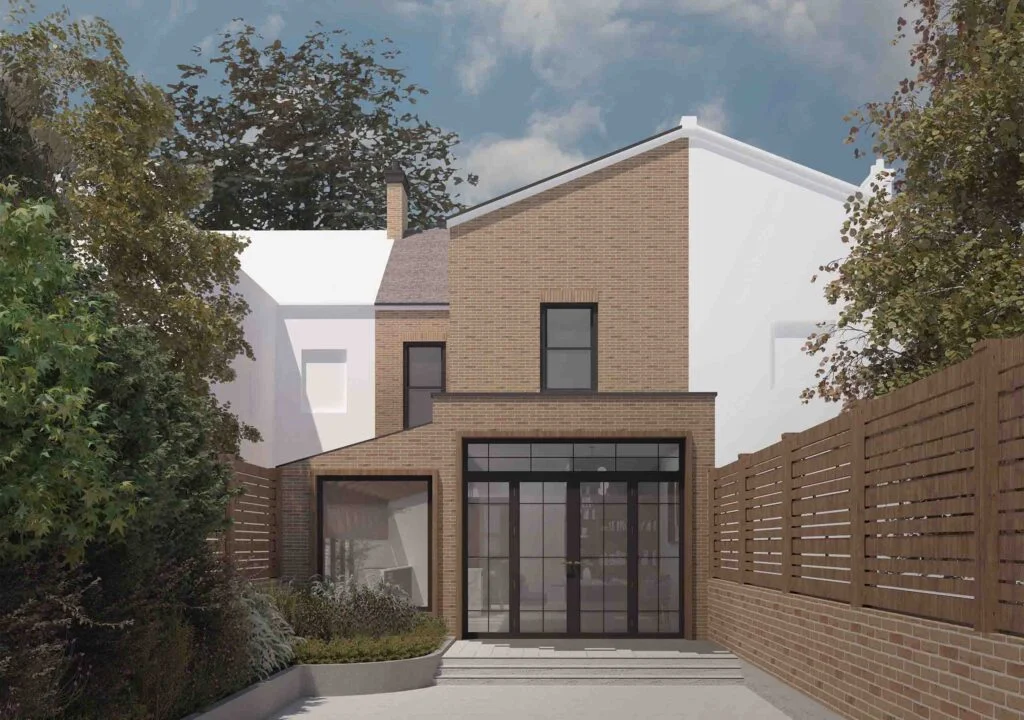
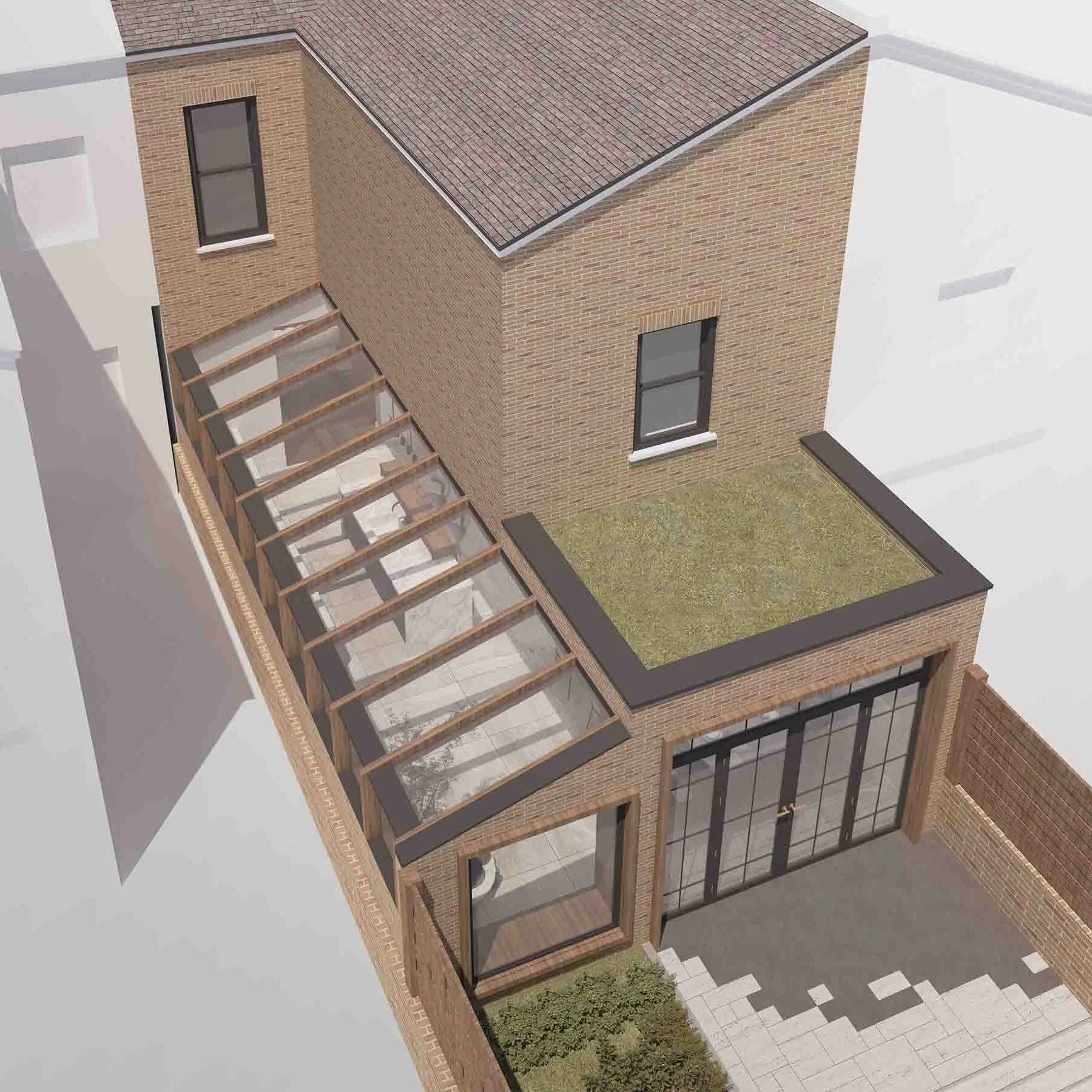
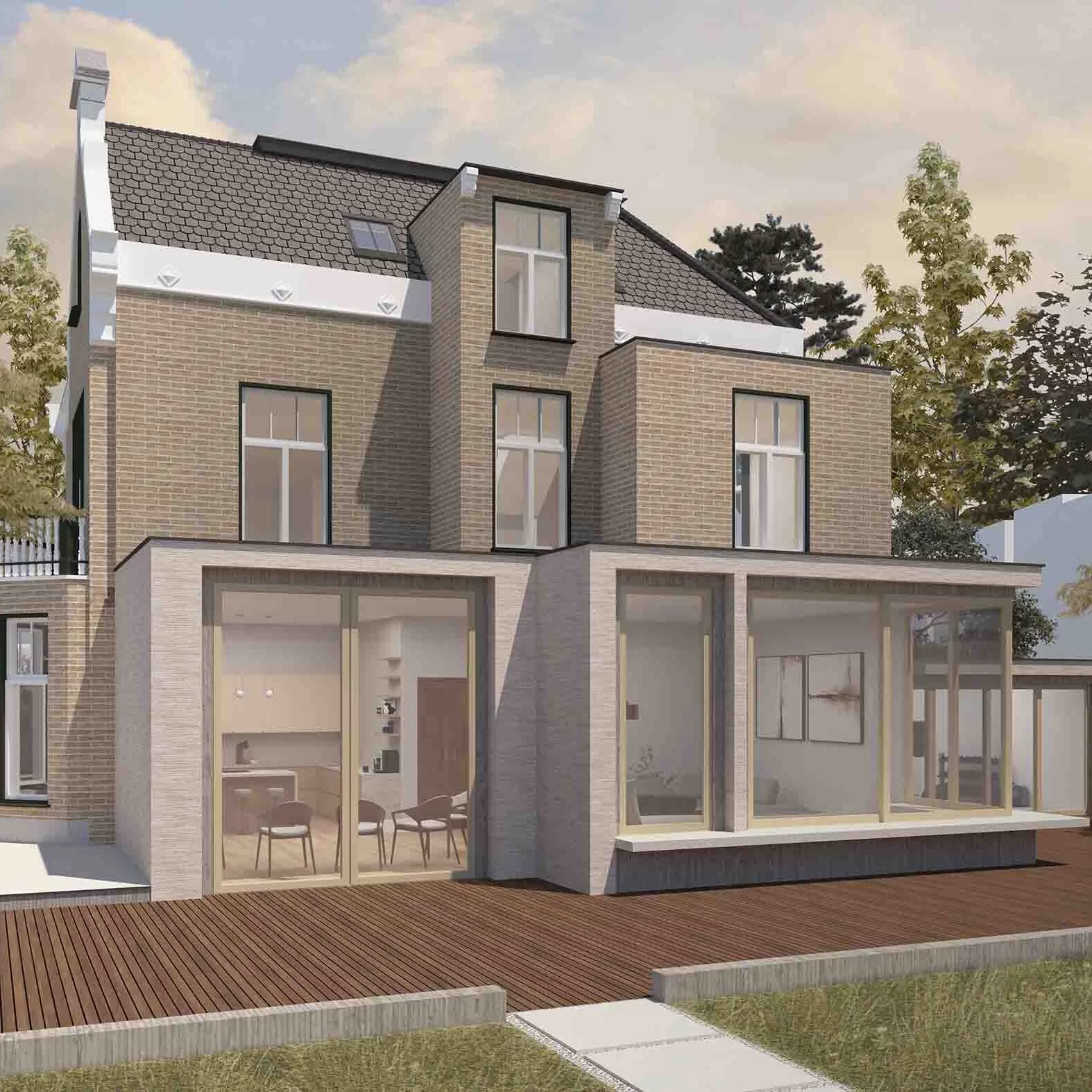
Traditional Yellow Brick Rear Extension – Walnut House
Render Exteriors: Modern, Clean Lines
Render, or plaster finish, is another popular option for house extensions, offering a sleek and contemporary look. It’s especially favoured for modern homes or those looking for a minimalist aesthetic.
Pros:
- Cost-Effective: Render is generally less expensive than brick, both in terms of material and labour costs. It’s a great option if you’re on a tighter budget.
- Quick Installation: Rendering is a quicker process than bricklaying, which can shorten the time it takes to complete your extension.
- Variety of Finishes: Render comes in a variety of textures and finishes, from smooth and sleek to rougher, more textured surfaces. It can even be painted any colour, giving you flexibility in terms of design.
- Lightweight: Render is lighter than brick, which can make it easier to apply and reduce the need for heavy structural reinforcements.
Cons:
- Maintenance: Render can require more upkeep than brick, especially if the finish starts to crack or fade over time. It can also be more susceptible to damage from the weather.
- Insulation: While render offers some insulation, it doesn’t have the same natural properties as brick, meaning you may need additional insulation layers within the walls.
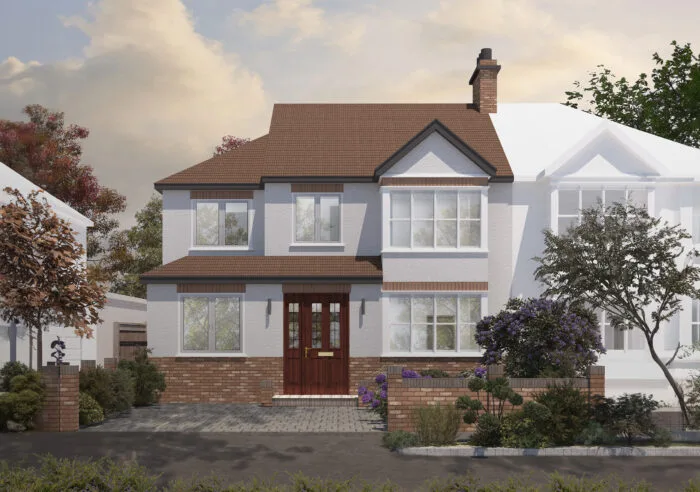
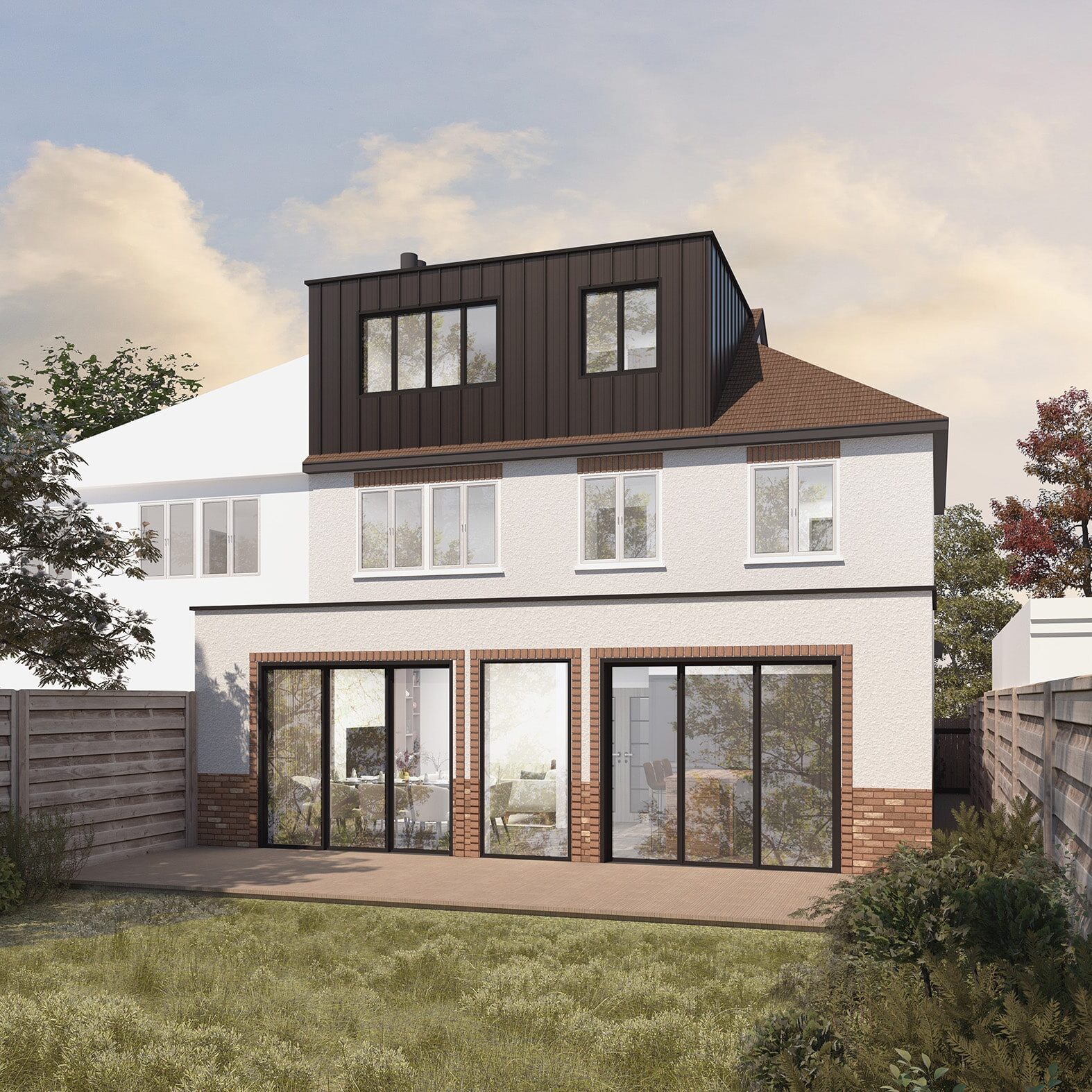
White Render Two Storey Side Extension – Scarlet House
Cost of Brick vs Render
When it comes to house extensions, budget plays a huge part in every decision—and your choice of external material can have a surprisingly big impact on the overall cost. So, let’s look at what you might expect to spend on brick versus render, and what’s included in those figures.
Brick Costs
Brickwork tends to be the more expensive option upfront, both in terms of materials and labour. On average, brick cladding costs between £55 to £80 per square metre, depending on the brick type, bond pattern, and complexity of the detailing.
What adds to the cost?
-
Material quality – Handmade or reclaimed bricks can drive up the price.
-
Labour intensity – Bricklaying is slower and more intricate than rendering, especially if you’re going for a Flemish bond or decorative coursing.
-
Scaffolding and logistics – Brickwork might require extended scaffolding time and heavier materials delivery.
But here’s the thing: while bricks cost more upfront, they’re incredibly durable. You won’t need to repaint them every few years or worry about cracking. Over the long term, that can mean less maintenance and fewer repair costs, which is a win for homeowners looking at lifetime value.
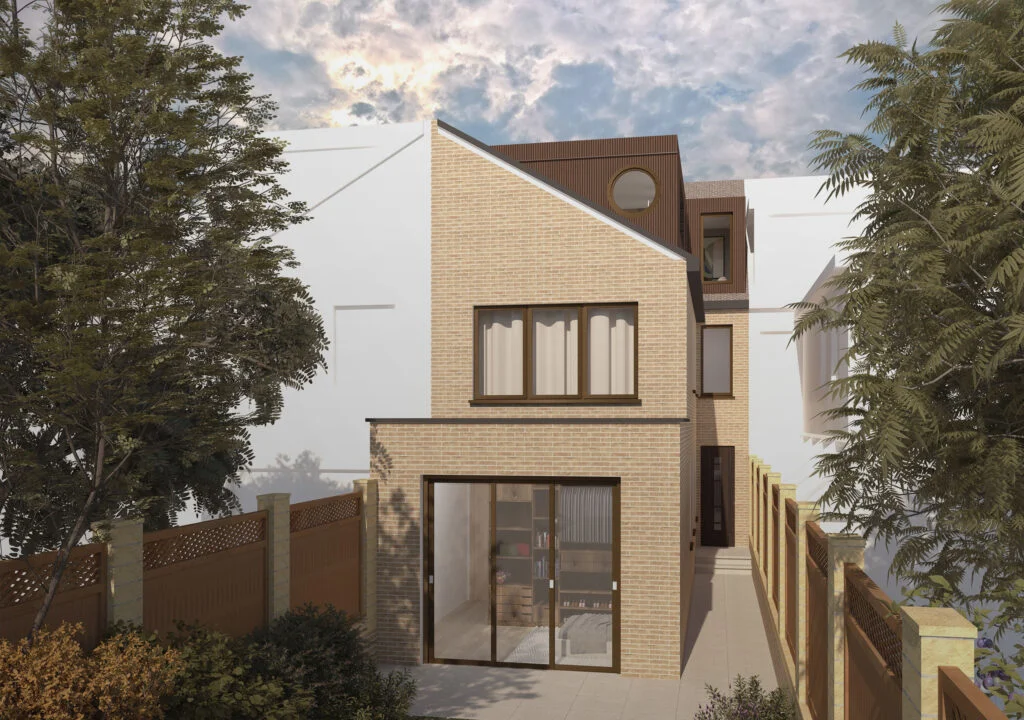
Permitted Development Single Storey House Extension – Petite House
Render Costs
Render is typically more cost-effective initially. A standard sand and cement render might come in at around £35 to £60 per square metre, with more premium silicone or acrylic renders nudging closer to £70+ per m², particularly if you’re after a self-cleaning or breathable finish.
Why is render cheaper?
-
Speed of installation – It takes less time and manpower to apply a rendered finish, particularly if the walls are already smooth.
-
Less material bulk – You’re not building up a wall layer-by-layer, so there’s less physical product involved.
-
Lower foundation loads – Because render is lighter than brick, you may not need as much structural reinforcement underneath.
However, do factor in maintenance. While modern renders are much better than they used to be, especially with additives that increase flexibility and weather resistance, you’ll likely need to repaint or patch sections every 5-10 years, especially if your home is exposed to the elements or urban pollution.
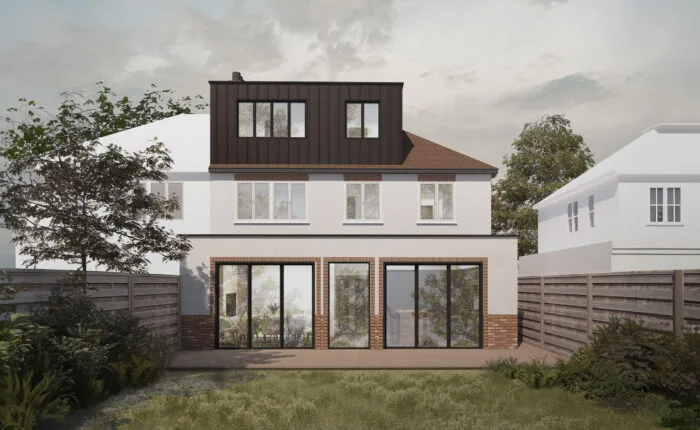
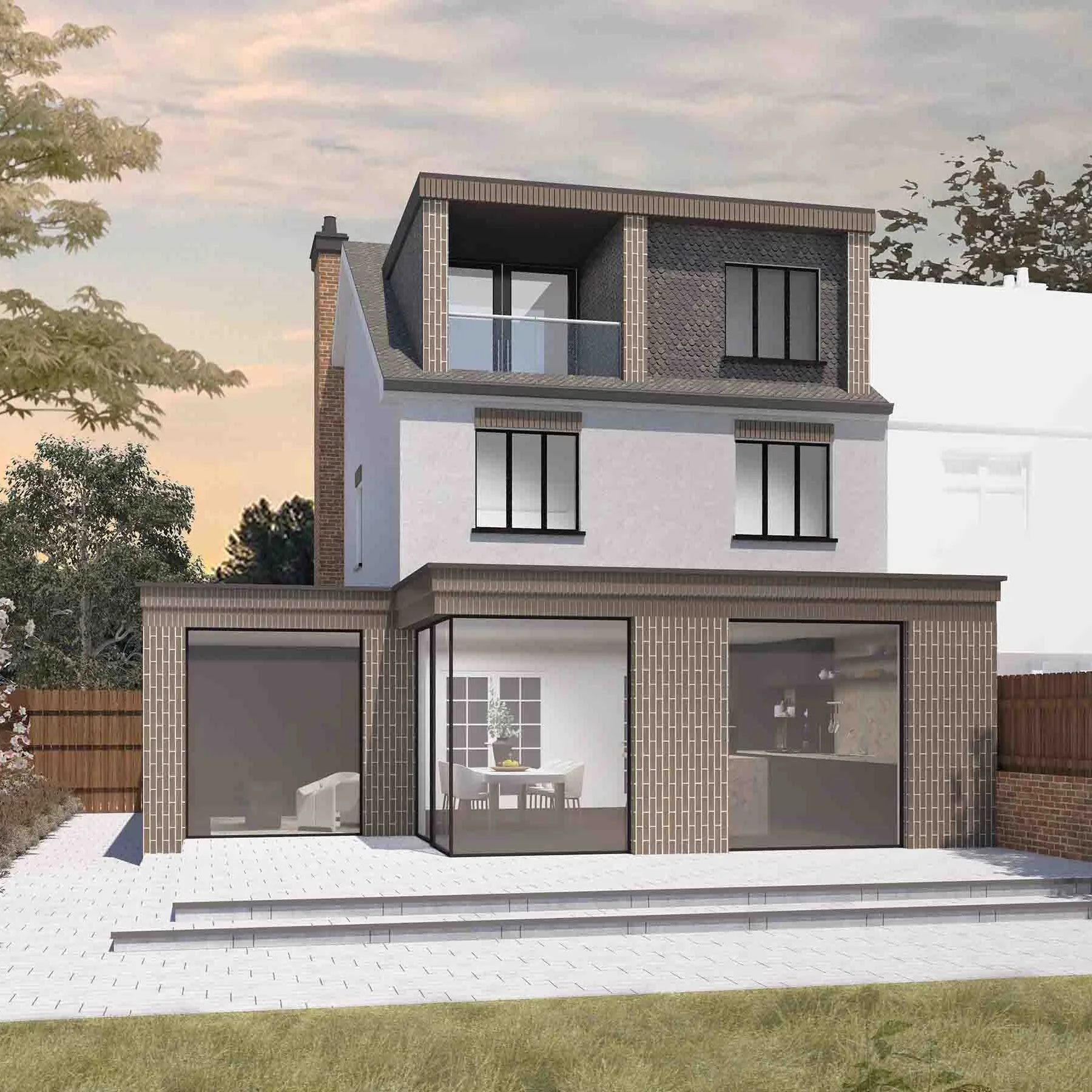
Permitted Development Single Storey Extension – Scarlet House
Hidden Extras to Watch For
Whether you go for brick or render, there are some extra costs to keep in mind:
-
Scaffolding hire – Needed for both materials, but may be in place longer for brick.
-
Wall preparation – If you’re rendering an older wall, it may need repairs or mesh reinforcement.
-
Insulation layers – Especially with render, you may need to install extra insulation to meet current building regulations.
-
Detailing or matching – Trying to match new brick to old? That can cost more than starting fresh with a full new elevation.
- Less Traditional Brickwork – Both in material and labour, costs can rise if you desire a more modern appearance. For example, linear bricks like those from Joseph Bricks can cost 30-60% more in material alone than standard stock bricks. Similarly, a soldier course might cost 15-25% more in terms of labour costs than a typical running course.
At DeVis Architecture, we always factor these into our cost-planning discussions, so you’re not hit with surprise charges mid-project. Our planning experts can also advise on whether your project qualifies for Permitted Development – which might save on planning fees too.
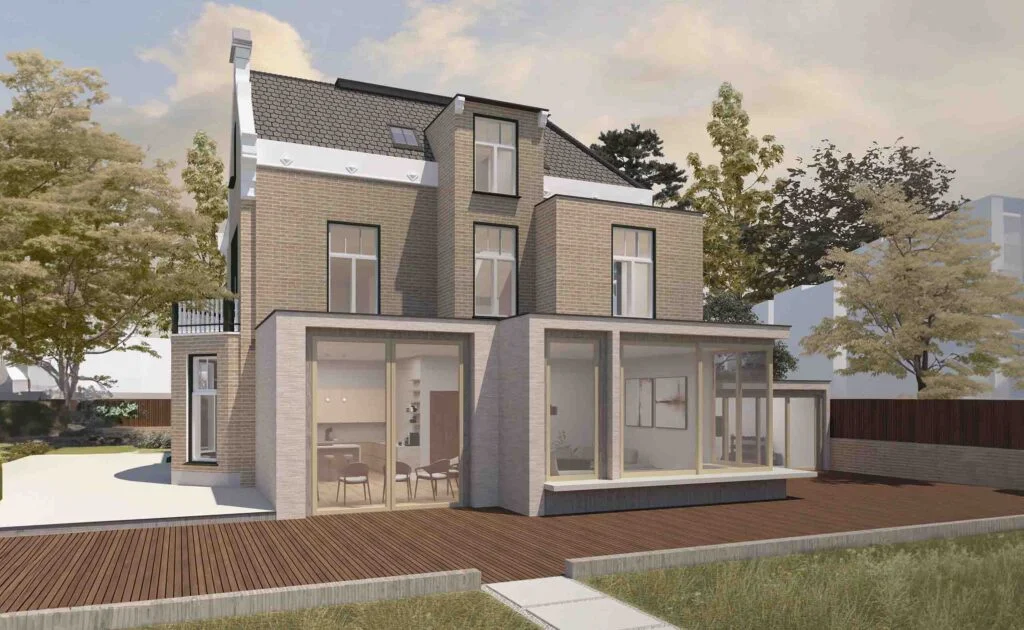
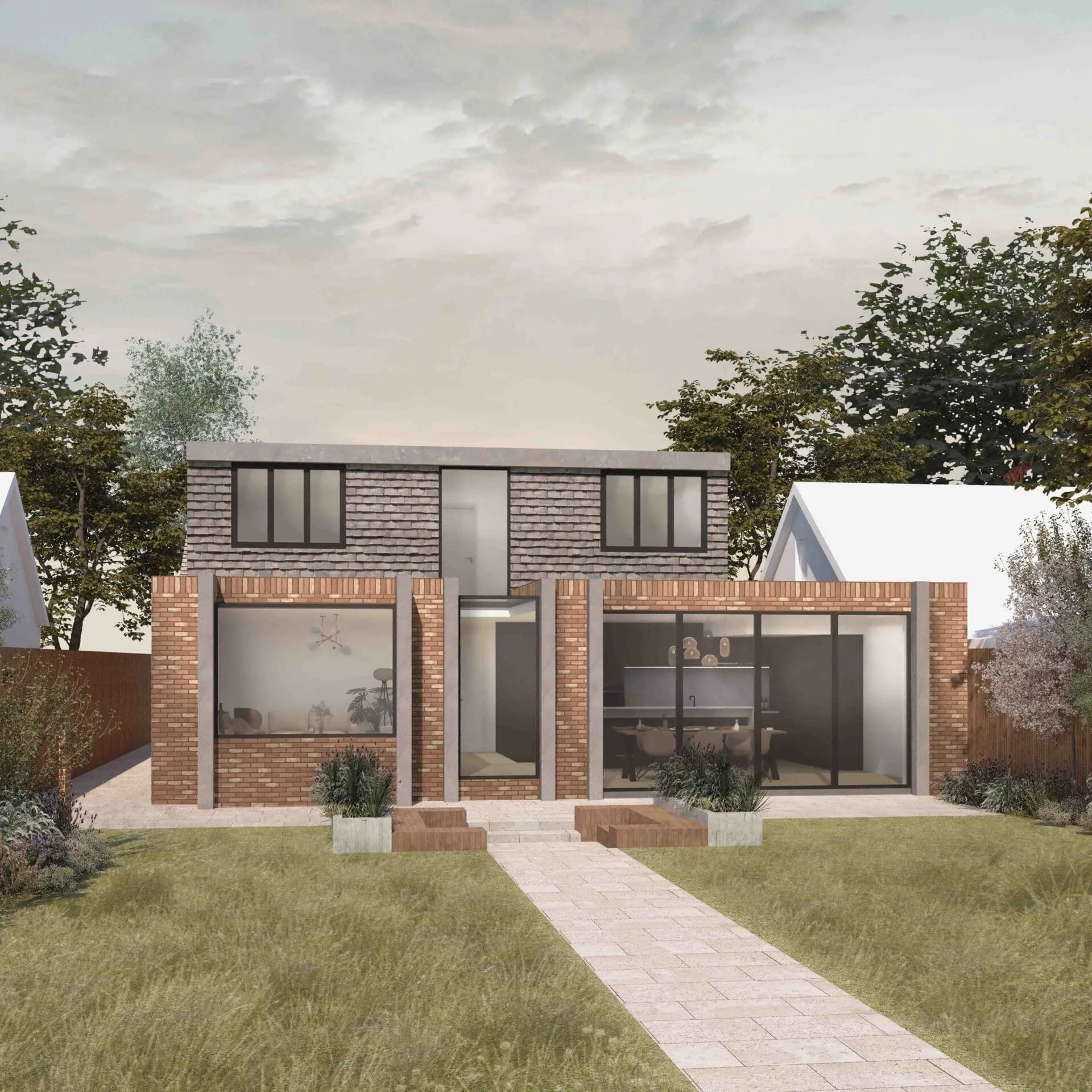
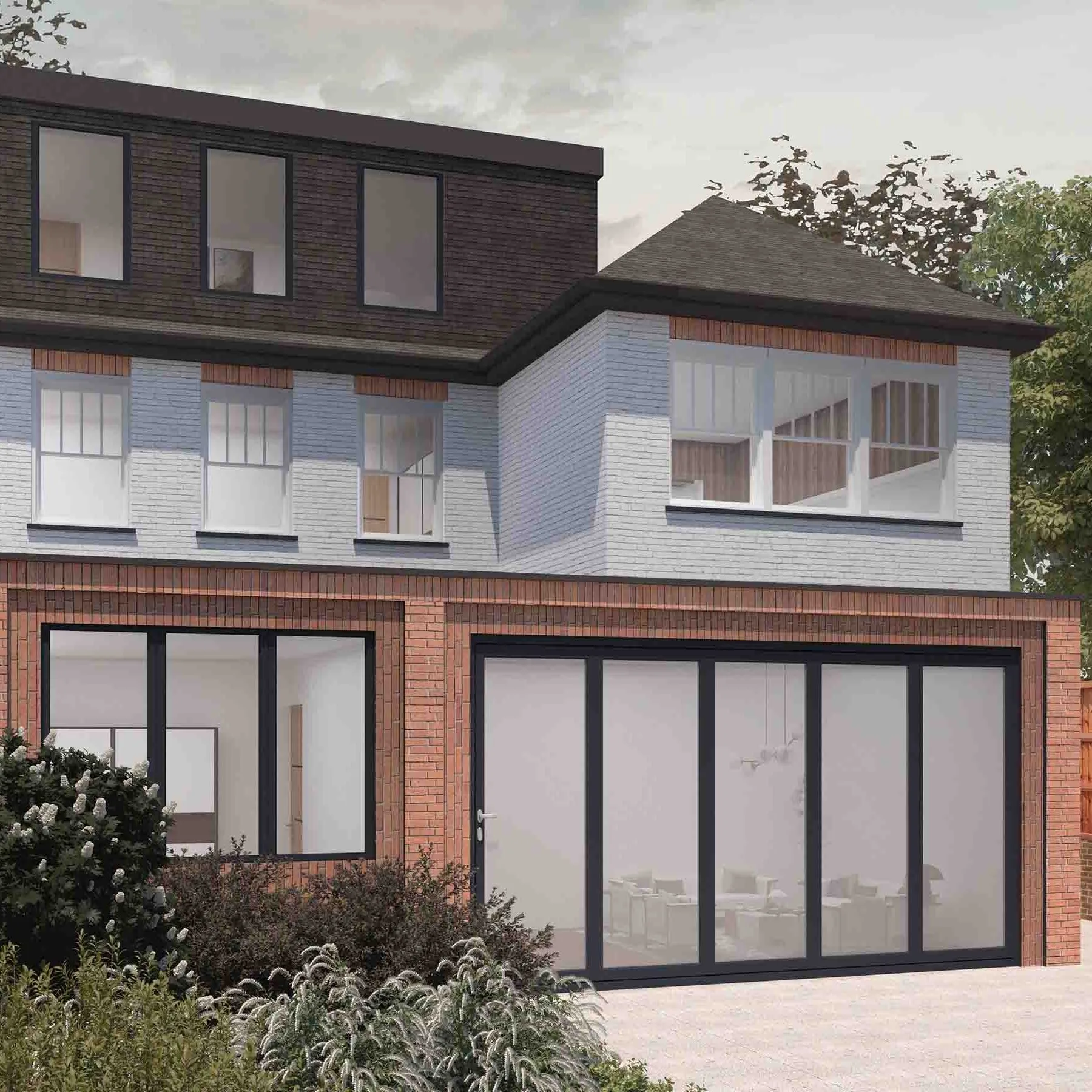
Linear Brickwork Single Storey Extension – Stage House
Which Is Cheaper in the Long Run?
If you’re weighing the long-term costs, it’s not always as straightforward as picking the cheapest up-front price. For example:
-
Brick may cost more now, but you might go 30+ years without any need for repairs.
-
Render may save you thousands at the start, but you’ll need to maintain it more frequently.
It really comes down to your budget, the look you’re after, and how long you plan to stay in the property. If you’re building to sell, render could boost kerb appeal on a budget. If this is your forever home, brick might be worth the extra upfront investment.
Alternative Exterior Materials for Home Extensions
While brick vs render is the most common question throughout London & Surrey, there are several alternative materials that might suit your extension better, depending on the style and your budget.
Timber Cladding
Timber is a great option for creating a natural, warm aesthetic. It works well for both contemporary and rustic designs, offering an eco-friendly choice. Timber cladding can be more costly in terms of maintenance, as it requires regular treatment to prevent rotting and weather damage. If budget does allow, it is well worth considering Shou-Sugi-Ban. Traditionally Japanese charred cedar, it comes with all the benefits of natural timber but enhanced durability towards water & rot.
Steel and Glass
For a more industrial or ultra-modern look, steel and glass can create a striking finish. This combination is great for contemporary extensions, especially when combined with open-plan living areas. While stylish, it’s generally a more expensive option and may require extra insulation to keep the space comfortable & up to building regulations compliance.
Stone or Slate
Stone or slate exteriors can add texture and character to your extension. Though expensive, they create a strong, enduring finish with a classic feel. These materials are durable and low-maintenance, though they can be heavy, requiring extra structural support. We especially like the look of custom wall-hung tiles like the ornamental tile range by Dreadnought Tiles!
Composite Materials
Composite materials, like EcoScape & Millboard often a blend of wood fibres and plastics, offer the appearance of wood without the maintenance. These materials can be highly durable and weather-resistant, with the added benefit of low upkeep.
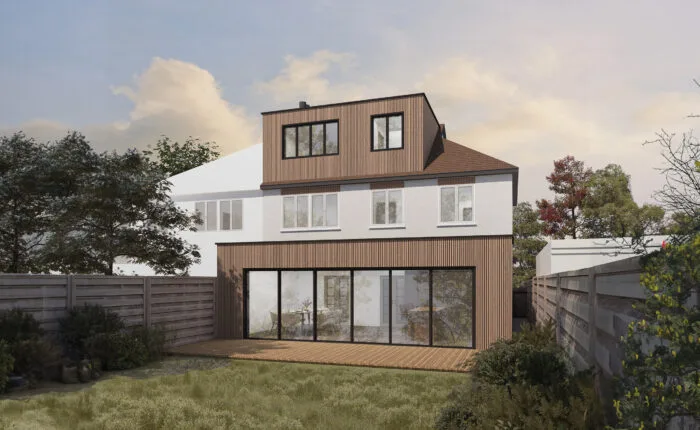
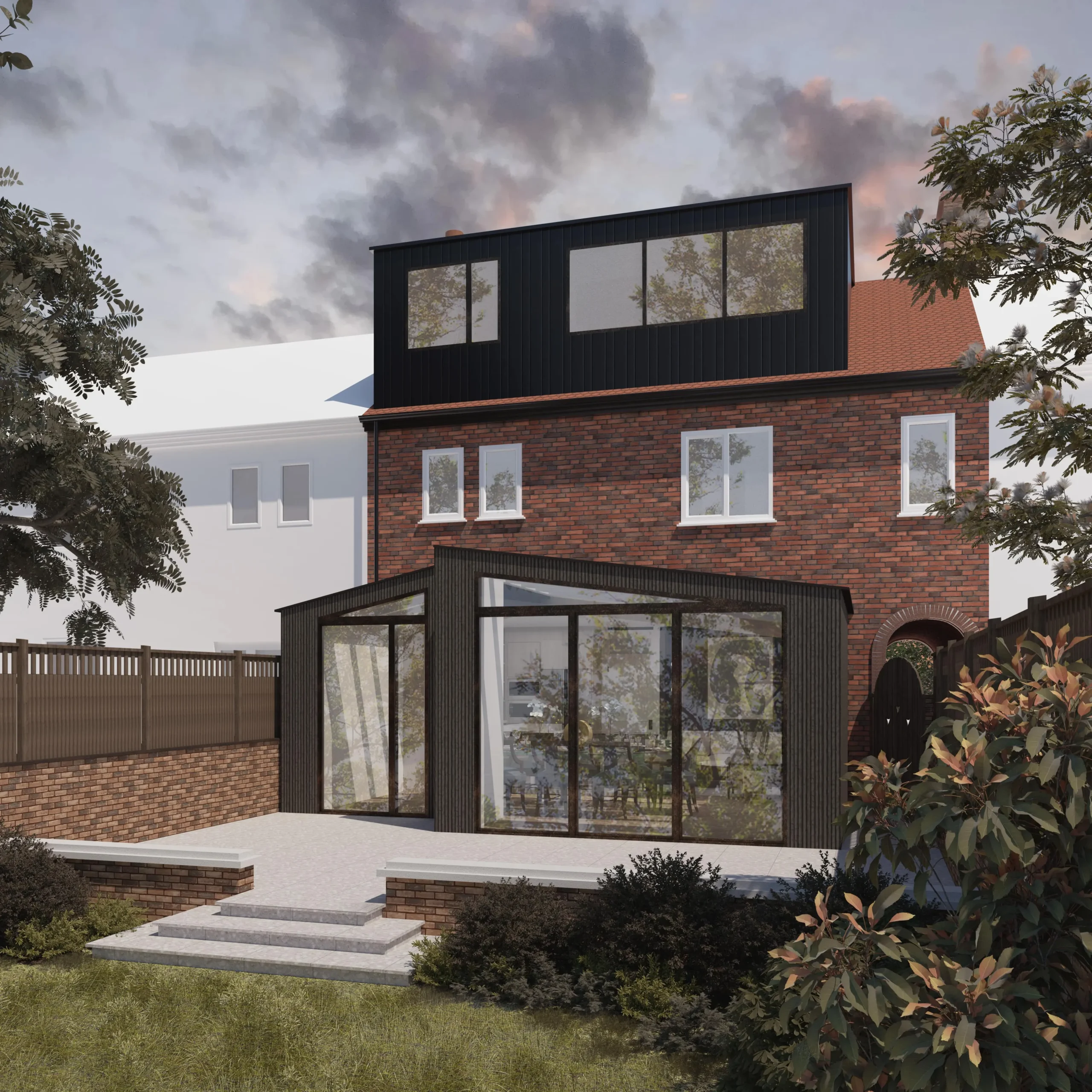
Timber Cladding Rear Extension & Loft Dormer Conversion – Scarlet House
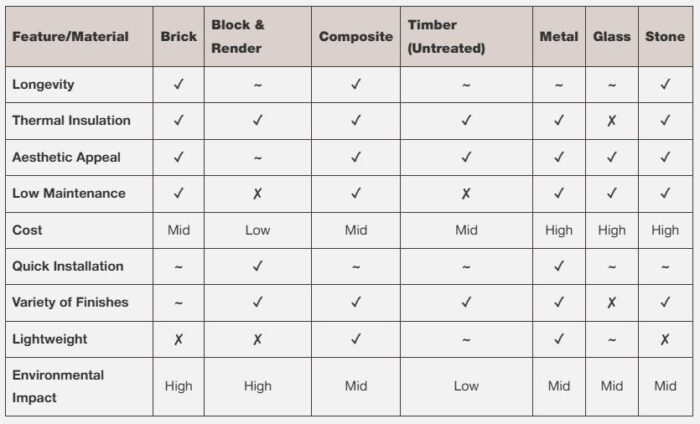
Quickfire Benefits: Brick vs Render vs Cladding
Which Is Right for Your Project: Brick vs Render vs Cladding?
Choosing between brick vs render, or another material depends on several factors. If you’re looking for a long-lasting, durable option and don’t mind the extra cost or construction time, brick may be the way to go. It’s perfect for homeowners looking to increase the value of their property and add a traditional or natural element to the extension.
On the other hand, if you’re after something more modern, cost-effective, and quicker to complete, render might be your best choice. It provides flexibility in design and is a solid option for homeowners on a budget or with tighter timelines.
Consider the overall style of your home—does it lean more traditional or modern? Also, factor in the local climate. If you live in a region prone to harsh weather conditions, brick might offer better resilience.
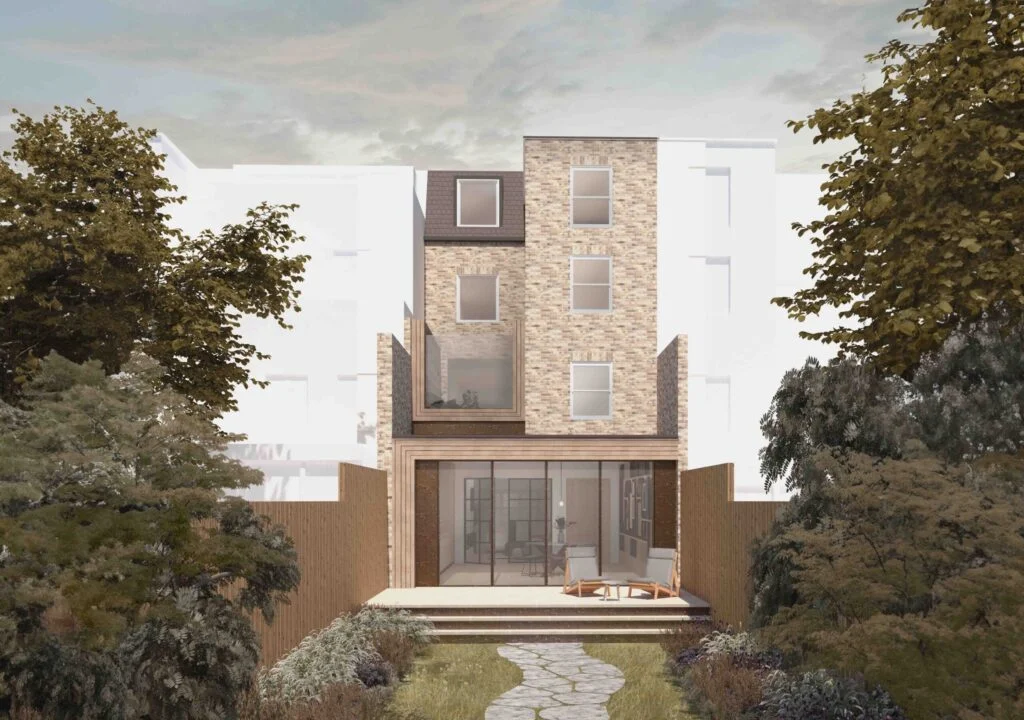
Timber / Metal Clad Side & Rear Extension – Copper House
Final Thoughts on Brick vs Render for House Extensions
Both brick and render have their benefits, and the right material for you depends on your specific needs and preferences. Whether you lean towards the durability of brick or the sleek, fast finish of render, the most important thing is that you make a decision that will complement your home and meet your functional requirements.
If you’re still unsure, our team at DeVis Architecture can guide you through the material options that will work best for your extension. With years of experience in residential extensions, we’re here to help you make the right choice for your home.
Ready to get started with your house extension? Contact us today for a consultation, and let’s work together to create a stunning new space that suits your style and budget.