When you first start to explore the ins and outs of the planning process, pre-application advice sounds like a no-brainer. You pay a fee, show the council your early ideas, and they tell you what else to consider and how likely it is to be approved. Simple, right? In theory, yes. But in practice? We’re here to help you understand – Is Pre-Application Advice Worth It?
For many small-scale projects – like single-storey extensions, loft conversions, or minor internal alterations – pre-apps often turn out to be more hassle than help. Despite being pitched as a way to “de-risk” your application, they can end up costing more time and money than the formal planning process itself.
In This Article
- What is Pre-Application Advice?
- What Are the Benefits of a Pre-App?
- Cost of Pre-App vs Planning Application
- The Other Option? Just Submit and See
- A Quick Summary – When to Bother, When to Skip
- How a Professional Design Team Can Help
- Final Thoughts & Next Steps
30-second read
Pre-application advice can be useful for complex or high-risk developments, as it provides early feedback from the local authority on whether a scheme is likely to be supported and highlights key planning issues before a formal submission. However, it is not legally binding, can be slow, and in many cases costs as much as—or more than—a full planning application.
For most straightforward domestic projects such as modest extensions or loft conversions, it is often more efficient to proceed directly to a formal application. This provides a clear decision within a set timeframe, more definitive feedback, and avoids unnecessary delay or expense. Pre-app is best reserved for complex, sensitive, or policy-constrained sites where early guidance genuinely adds value.
The key takeaway: use pre-application advice selectively. It’s worth considering for ambitious or uncertain schemes, but for most domestic projects, it’s usually faster, clearer, and more cost-effective to submit and refine if needed. Working with an experienced design team can help you choose the right approach and avoid unnecessary delays or expenses.
What is Pre-Application Advice?
Pre-application advice is a service offered by most local authorities where you submit early-stage proposals for feedback before making a formal planning application. It’s meant to help you understand whether your project is likely to be supported and highlight any key issues early on. You typically provide outline drawings, a written description of the scheme, and a bit of context about the site. Some councils offer this service in writing only, others include a meeting or a site visit.
Depending on the authority and complexity of the project, a pre-app response might take anywhere from two to eight weeks – and it’s not free. Fees vary wildly, but for householders, you’re usually looking at £50 to £150. For larger developments, it can run into the hundreds or even thousands.
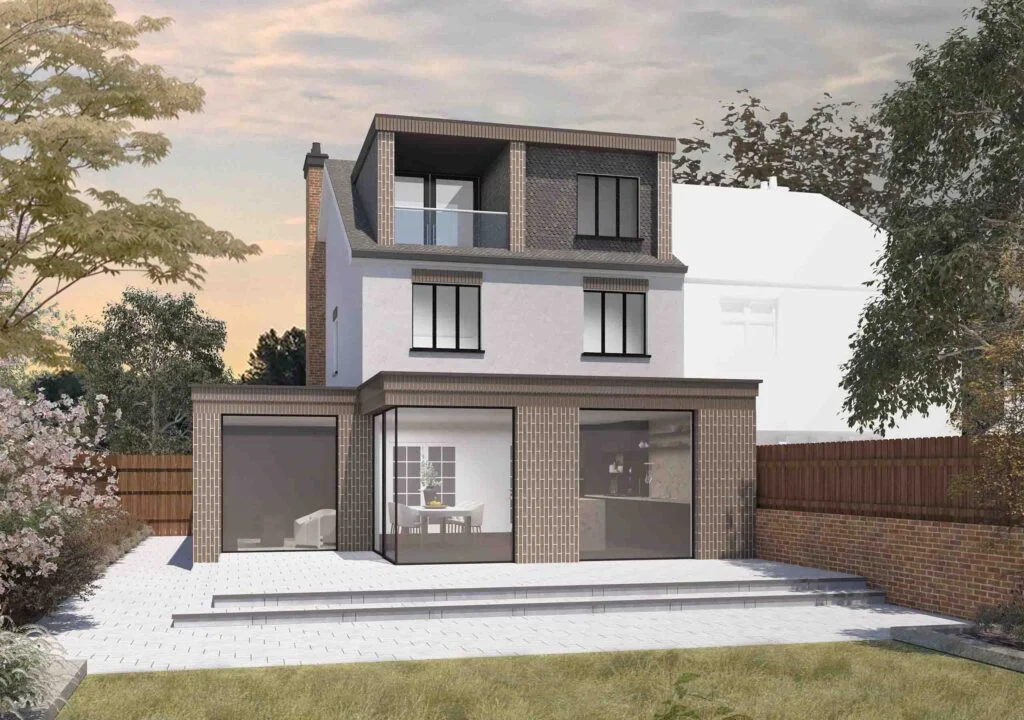
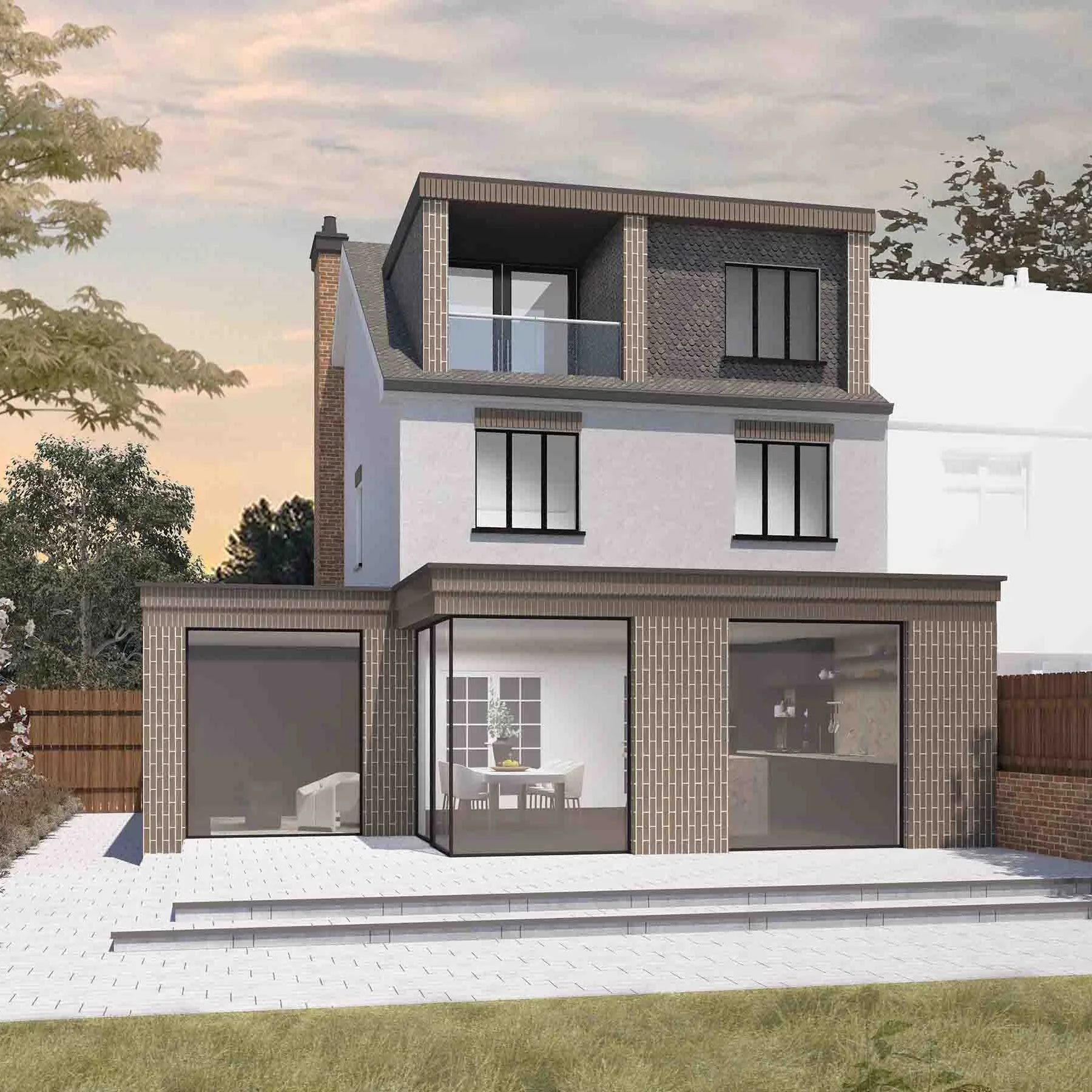
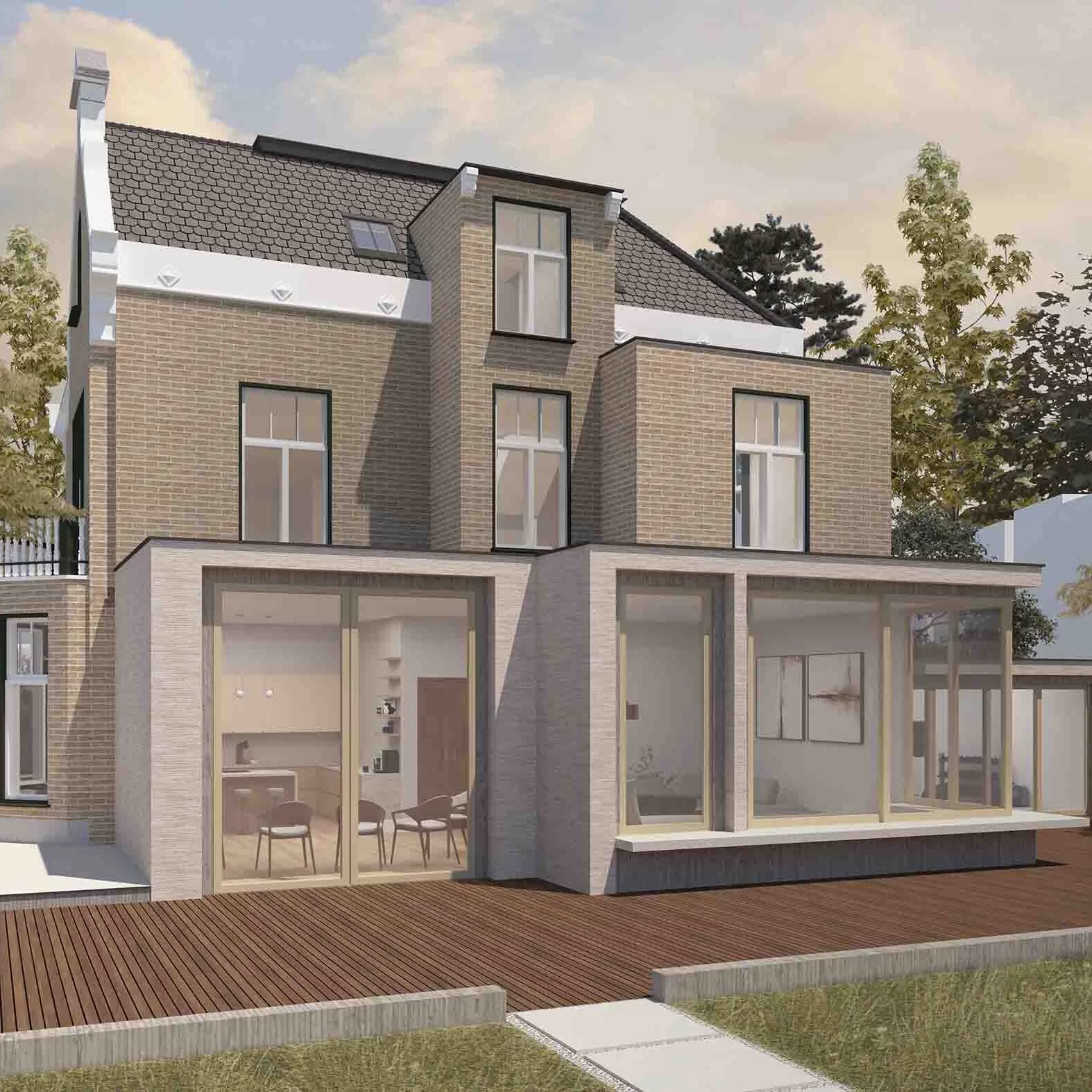
Modern House Extensions with Balcony – Pre-Application Recommended – Ribbon House
What Are the Benefits of a Pre-App?
Let’s be fair – there are some genuine upsides to pre-app advice, especially for larger schemes or contentious sites. Here’s when it can be worth the effort:
-
Large new build schemes – where layout, access, design, and policy balance all come into play
-
Green belt or sensitive locations – where you need to show your case has merit before going in cold
-
Sites with complex planning history – particularly refusals or appeals, where a new approach needs careful handling
-
Heritage buildings – where conservation officers can be involved early, especially in London
In these cases, a pre-application can highlight red flags early and allow you to tweak the design before investing too much time and money on detailed plans and specialist consultants. Some officers are open, pragmatic, and genuinely helpful – especially if your designer knows how to frame the conversation.
Aside from simply obtaining advice, the human side of pre-application advice can have great benefits, and potentially give you and your project a more solid direction forward. By submitting early design concepts, it demonstrates a willingness to engage with the council and discuss the intricacies of your design. As such, it gives them confidence in you and your design team, potentially enhancing your chances of approval.
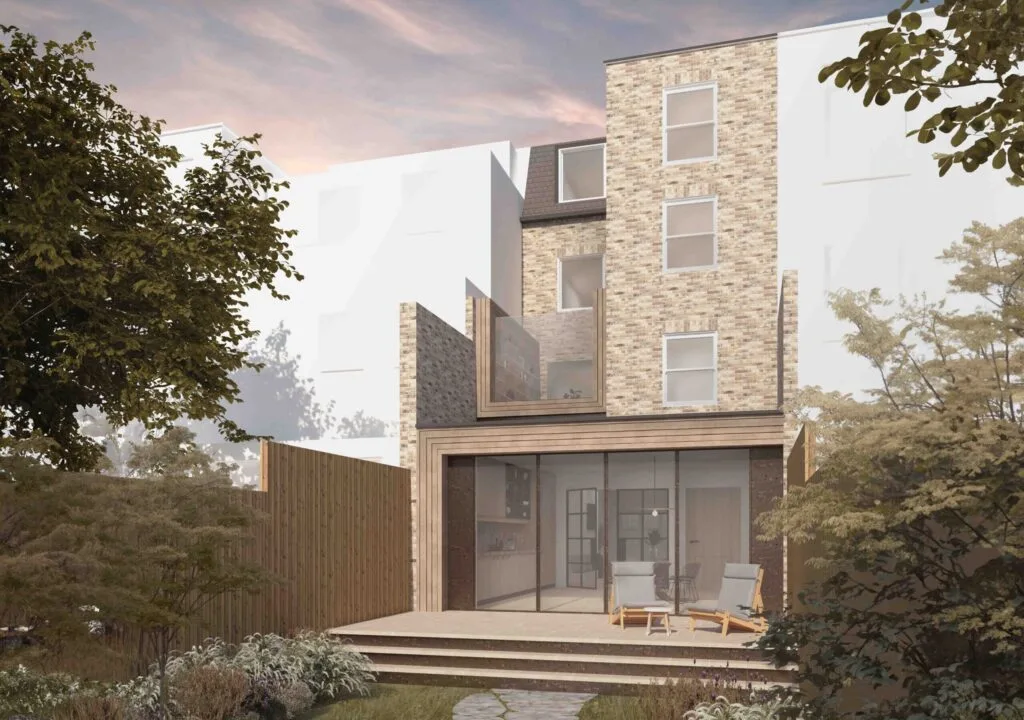
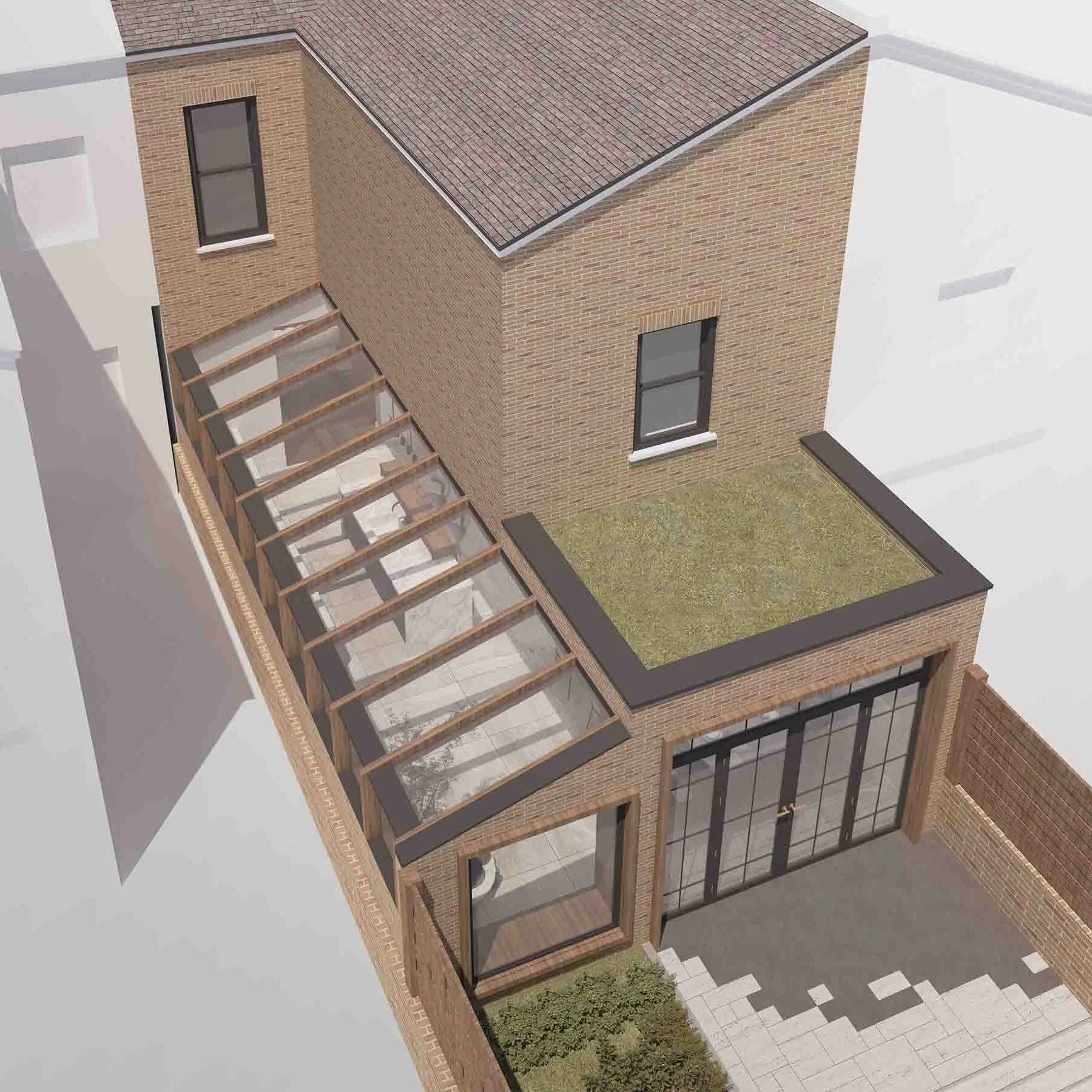
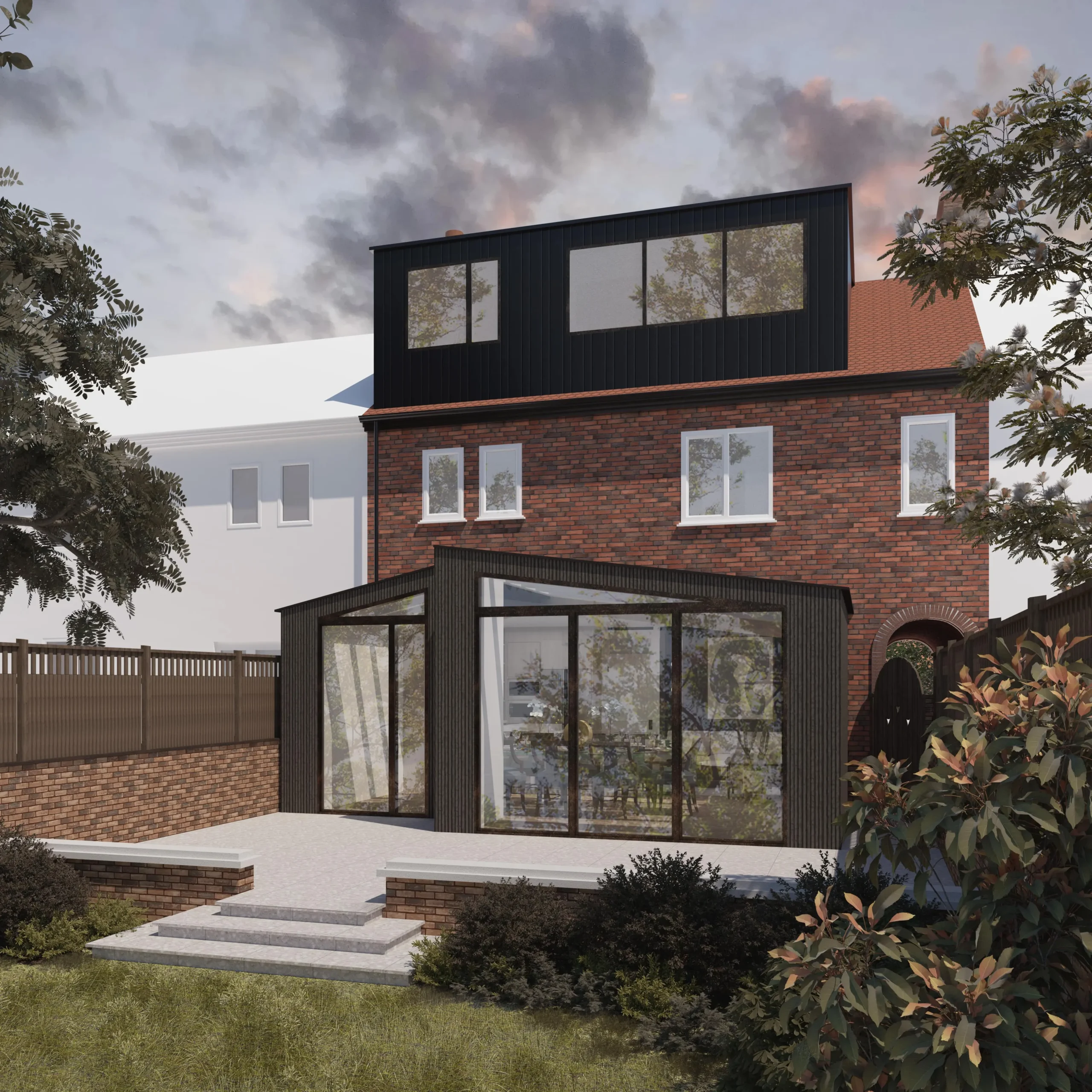
Double Storey Extension in a Conservation Area – Pre-Application Recommended – Copper House
Cost of Pre-App vs Planning Application
In 2026, one of the most significant negatives of the pre-application route is the submission fee. Sometimes double or triple than a formal application fee, property owners often mistake the level of usefulness a pre-application will truly be for their project, and pay the inflated fees just to be left disappointed with the results.
For example, a written householder pre-app response in London Borough of Hammersmith & Fulham currently costs £435 (rising to £630 with an on-site meeting). The Royal Borough of Kensington and Chelsea, on the other hand, charges £559 at the moment for their most basic level of advice (rising to £680 with a meeting) for householder developments.
To put this into perspective, a formal planning application to the same local authority, including VAT and the Planning Portal’s own service charge, costs a homeowner a grand total of £639 (including service charge & VAT) as of May 2026, and a Lawful Development Certificate costs £365 (including service charge & VAT). Gone are the days of submitting a simplified application to get initial advice only. Now homeowners and developers have to spend more for the non-legally binding advice than they do for a formal application!
In our opinion, it is rarely worthwhile for smaller householder projects, and unless you are testing a particularly ambitious scheme or you’re worried about a refusal impacting your property’s value, there is little reason to go down the pre-application route.
The Other Option? Just Submit and See
If you’re working on a relatively straightforward scheme – say, a Victorian side return extension, a rear dormer loft conversion, or a modest garden outbuilding – our recommended route is often to just submit your application for London Planning Permission. Worst case, you get refused. But at least you’ll receive a decision notice with detailed reasons, and you can either revise and resubmit or make an appeal to the planning inspectorate.
Submitting up front also gets you on the clock. The council has to validate the application, consult neighbours, and make a decision – typically within 8 to 12 weeks unless agreed otherwise. Compare that to a pre-application that might drag on for weeks (or in some cases, months), go nowhere, and leave you no further forward.
In many cases, a clean refusal gives you more clarity than an often vague and non-legally binding pre-app letter ever could.
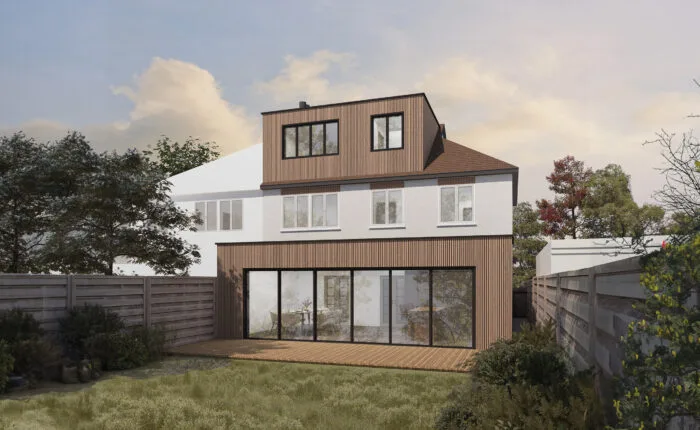
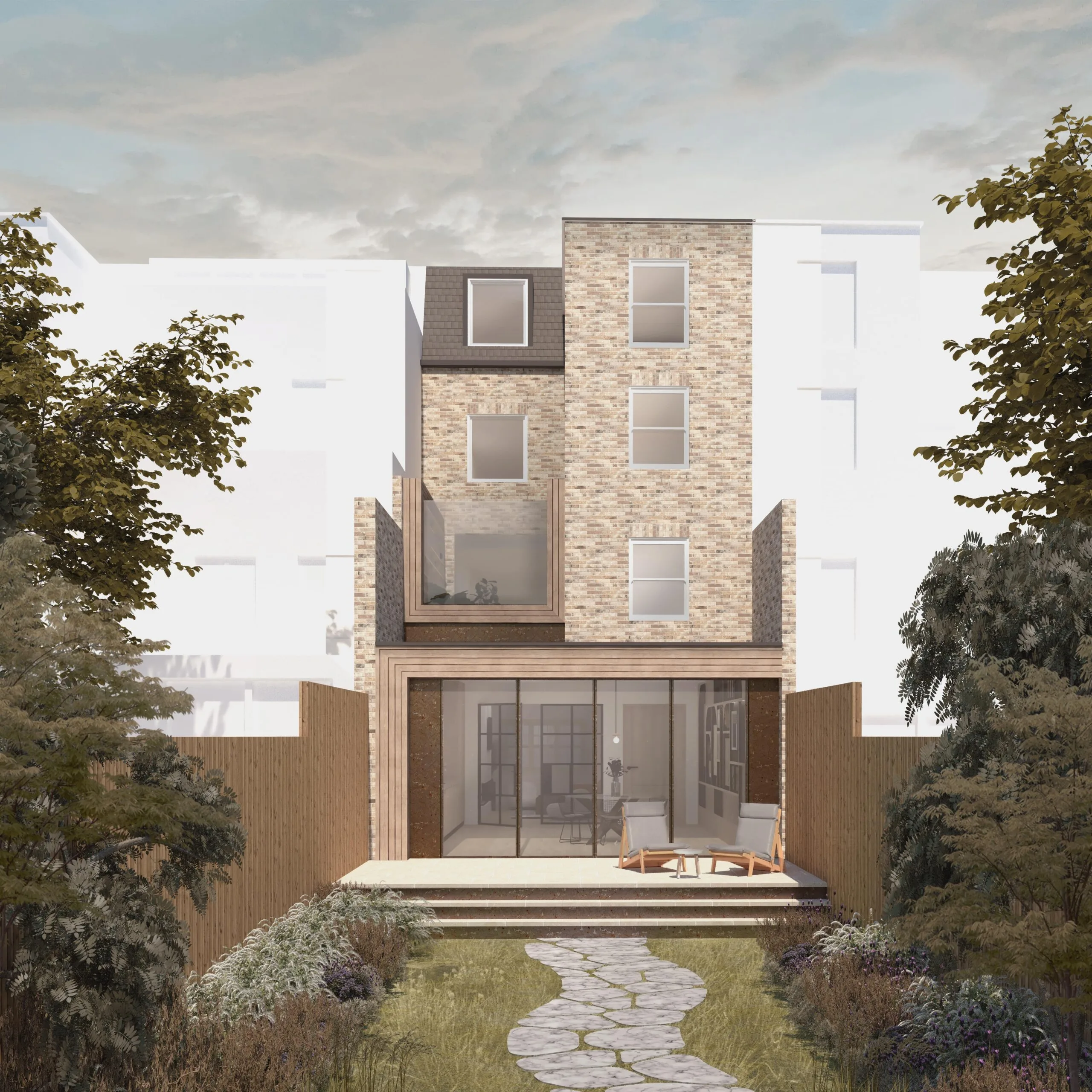
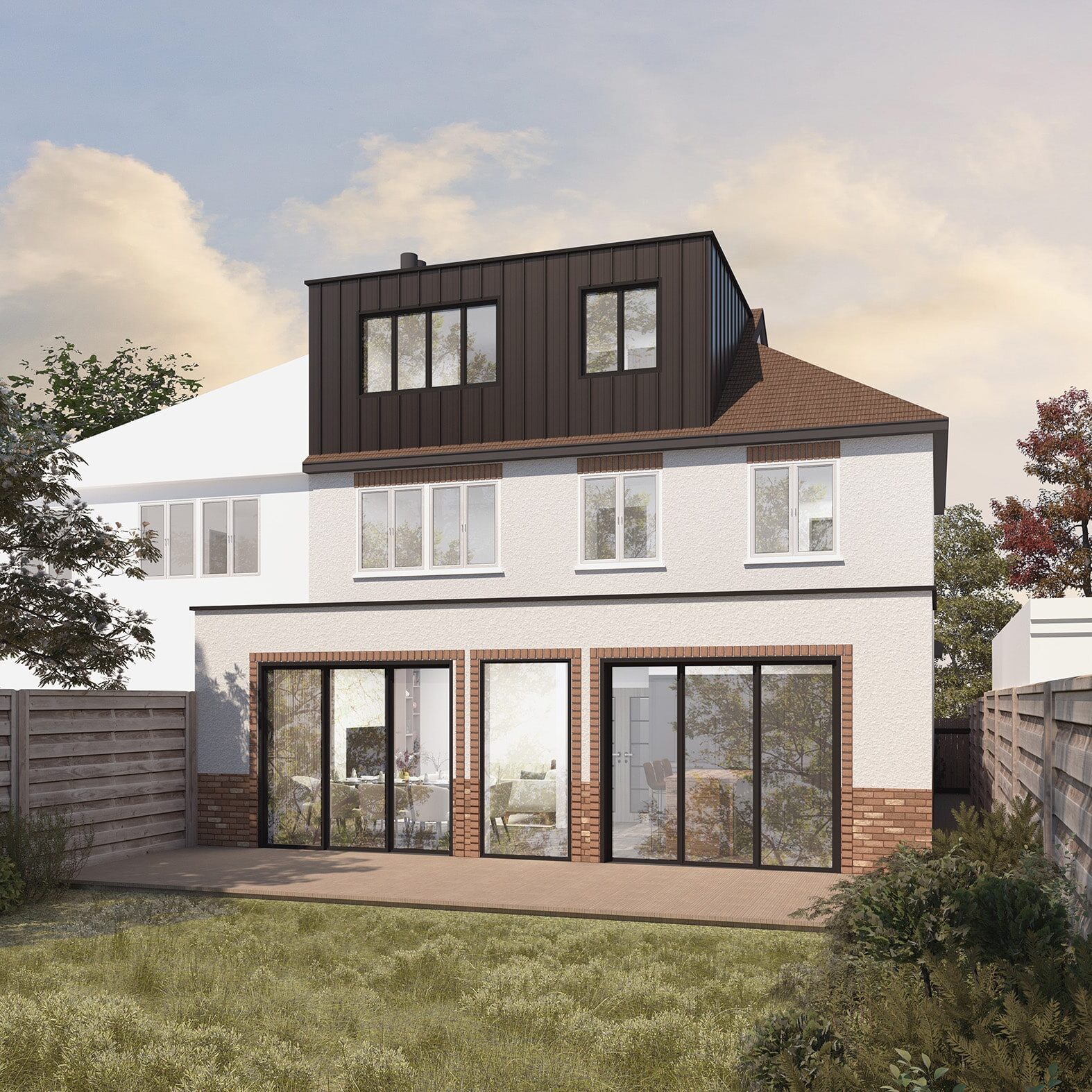
Modest Loft Conversion & Extension – Pre-Application Not Needed – Scarlet House
A Quick Summary – Is Pre-Application Advice Worth It?
Here’s the bottom line. If your project is complex, ambitious, or sits on a tricky site, pre-application advice can be worthwhile – but for most domestic proposals, such as modest 3 meter house extensions or dormer loft conversions, it’s likely an overkill. The cost, delay, and uncertainty usually outweigh any advantage. You’re often better off submitting, seeing what comes back, and tweaking if needed.
So unless you’re dealing with:
-
Green belt or AONB land
-
Multi-unit new builds
-
Awkward access (for example, backland developments) or policy constraints, or
- A project where you would prefer your intentions not to be published before you’ve received initial feedback…
…you can probably skip the pre-app entirely.
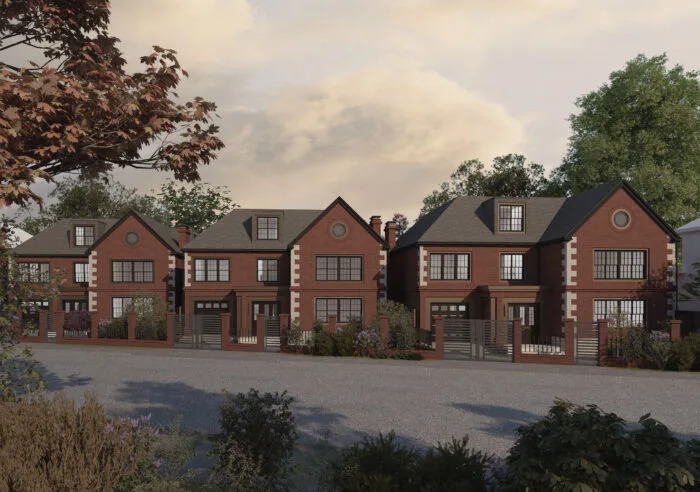
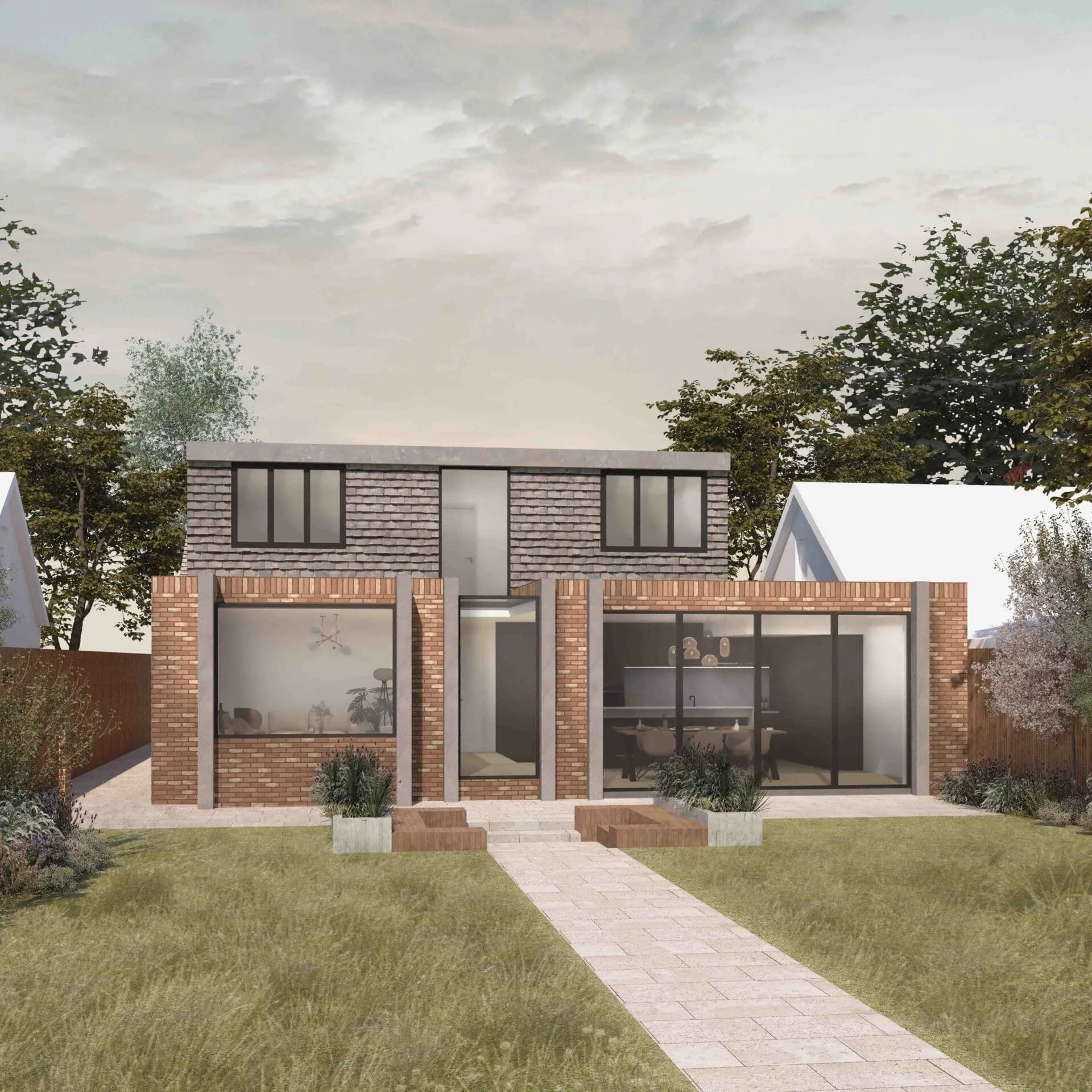
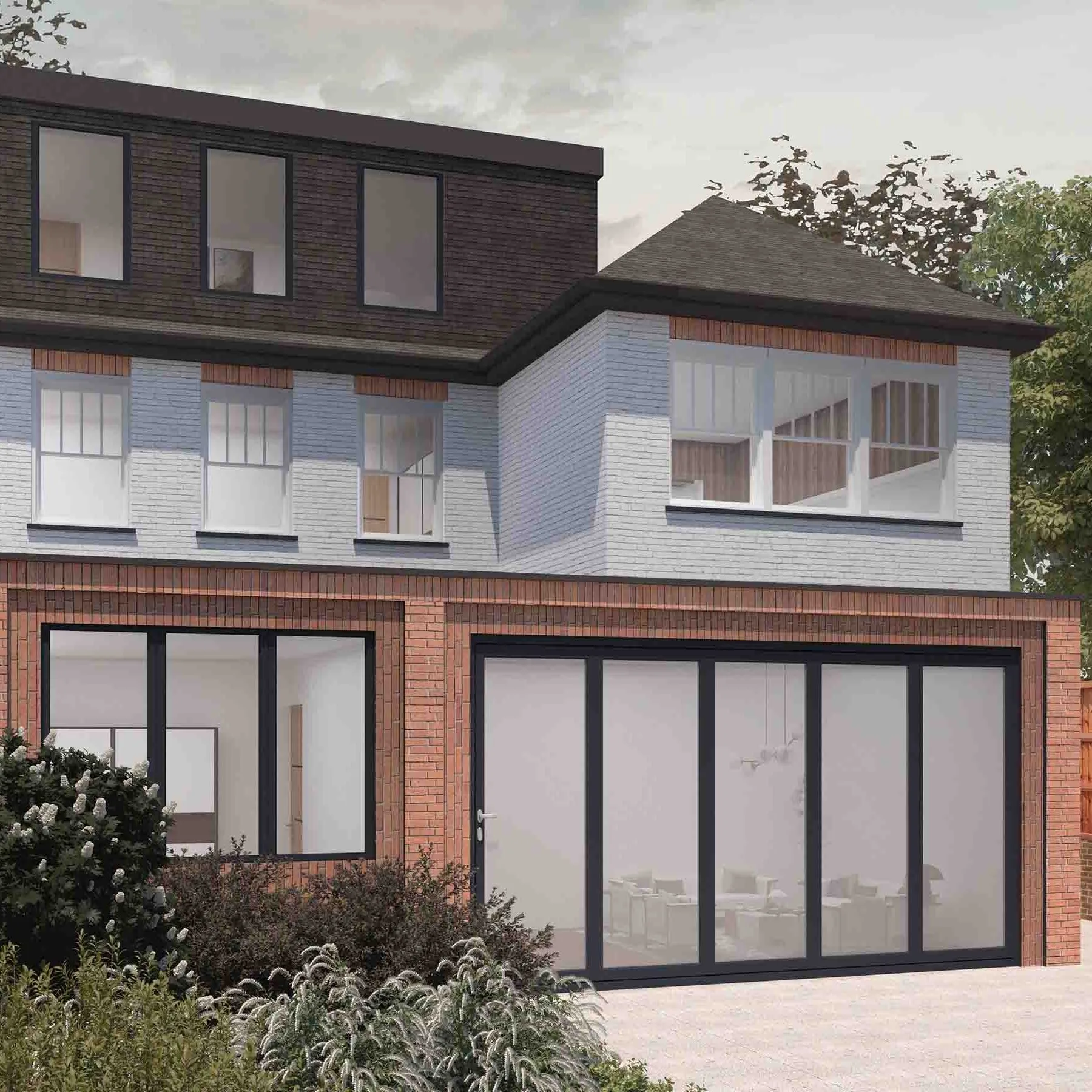
New Build Development of 3 Family Homes – Pre-Application Recommended – Trinity House
How a Professional Design Team Can Help
Something which we haven’t yet factored into the costs, however, is the fees of a professional and experienced design team to help navigate the process. Some homeowners often go down the pre-application route as a way to find out if their goals are feasible without committing to a full set of designs. This used to be fine, but when it comes to pre-applications in 2026, councils are asking for a similar level of detail to a formal application, meaning you’ll often need to employ a design team anyway.
We always recommend speaking to a trusted professional before speaking to the council, as we may be able to help you decide on the optimal route towards success, with or without going ahead with pre-application advice.
Final Thoughts & Next Steps
Pre-application advice often sounds more helpful than it actually is, especially for smaller projects. While it can offer useful early feedback on larger or more complex proposals, it’s rarely the best use of time or budget for typical householder extensions or minor works. The advice isn’t legally binding, the process can be slow, and the costs often match or exceed a full application – with no guarantee of clarity.
For most straightforward schemes, it makes far more sense to submit a well-prepared planning application, wait for a decision, and revise if necessary. You’ll get formal feedback, a decision within a fixed timeframe, and the option to resubmit for free if changes are needed. It’s quicker, clearer, and often more cost-effective.
If you’re unsure if pre-application advice is worth it for you, or your site has a few grey areas, we’re happy to offer honest advice. Get in touch and we’ll help you weigh up your options properly – without wasting time or money.